
Visual SOP vs e-SOP: One Checks "Was It Done", the Other Checks "Was It Done Right"
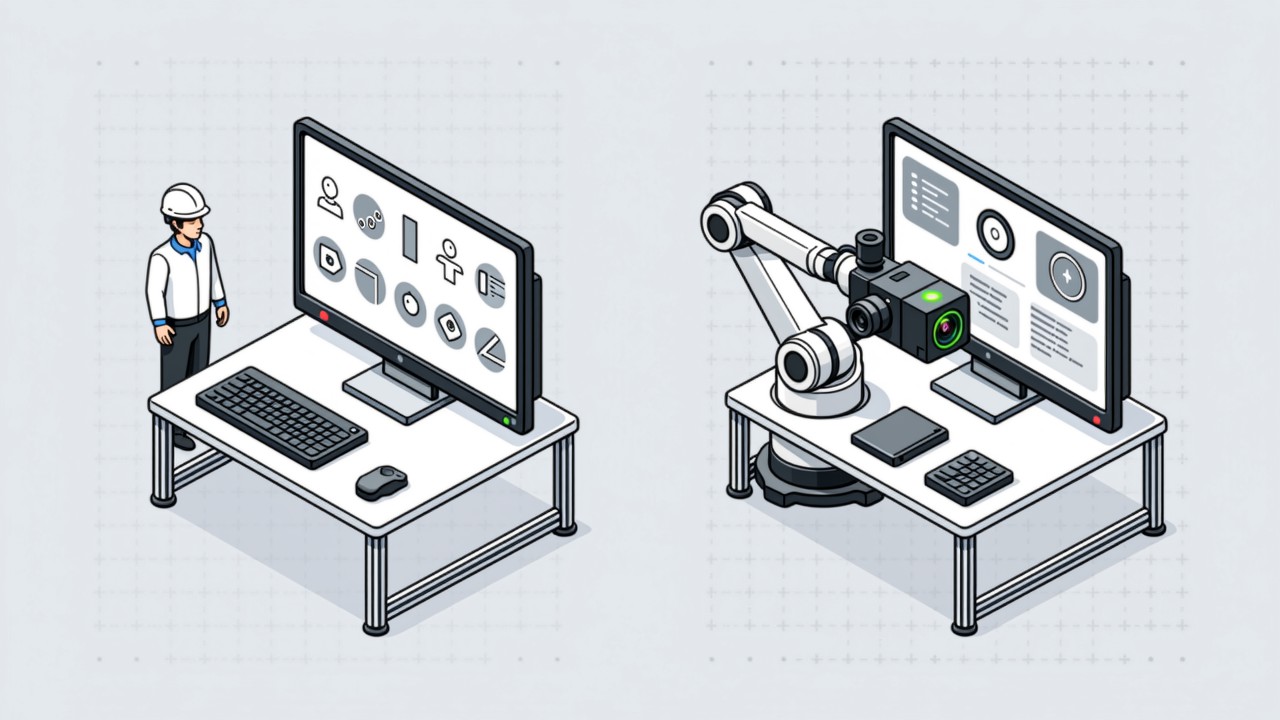
e-SOP solves visibility of information — it puts the work instruction on a screen so the current version is always what the operator sees. Visual SOP solves verification of behaviour — it uses cameras to confirm the action happened and the sequence was correct. They operate at different layers: e-SOP manages presentation, visual SOP manages execution. They typically complement rather than replace each other.
Key takeaways
- e-SOP is fundamentally document digitisation: it guarantees the operator sees the right version, not that they followed it.
- Visual SOP judges from live footage and answers the direct question "was this step performed".
- Feedback timing differs: e-SOP prompts before the work, visual SOP judges during it.
- Where steps are simple, consequences reversible, and misses detectable downstream, e-SOP is often enough.
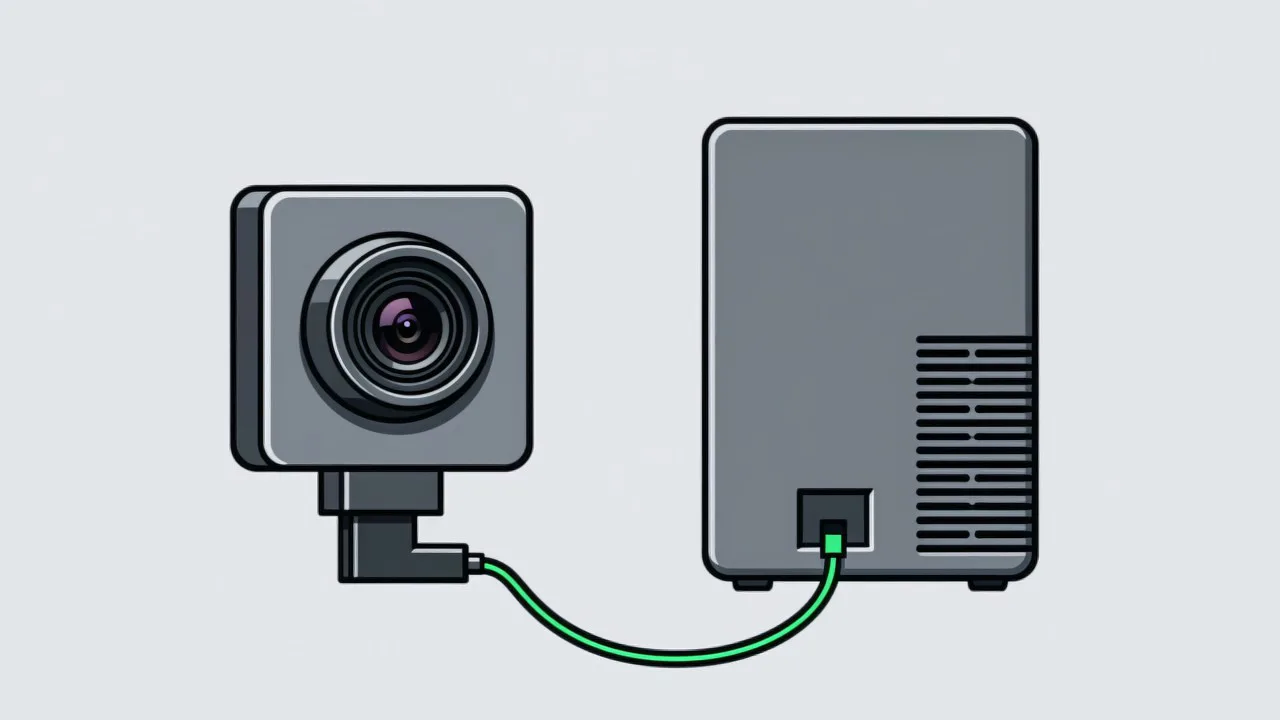
The two terms get compared a lot, but they solve problems at different layers. e-SOP (electronic SOP) digitises the work instruction — a screen replaces paper so the operator always sees the current version, with search, sign-off and an audit trail. It manages information. Visual SOP uses cameras and algorithms to confirm whether an action happened, whether the sequence was right, and whether it was done properly. It manages behaviour. In one line: e-SOP checks what was displayed, visual SOP checks what was done, and whether it was done right.
What e-SOP solves, and what it does not
The value of e-SOP is real: paper instructions get lost, get overwritten by old revisions, and are not always updated on the floor after a change. Once digitised, versions are controlled, languages switch cleanly, training records are traceable, and evidence is easier to produce at audit. But there is a structural gap — e-SOP can prove what the screen said, not what the operator did. They may not have read it, read it and skipped it, done it in the wrong order, or been interrupted halfway. e-SOP knows none of this, because its data boundary stops at the screen.
What visual SOP adds
| Dimension | e-SOP | Visual SOP |
|---|---|---|
| Manages | Presentation and version of the instruction | Execution and result of the on-floor action |
| Judges from | Whether the document was viewed and signed | Actions and states in the camera frame |
| Feedback timing | Prompt before the work starts | Judgement at the moment the action happens |
| Record granularity | Who viewed which revision, when | Which station, operation, unit, and whether it ran |
| Typical failure | Read but not done; done wrongly | Actions too small or obscured still need human review |
Put side by side, the picture is clear: the failure mode of e-SOP is exactly the gap visual SOP was built to close. When an operator reads the instruction and skips the step, e-SOP cannot tell — visual SOP can produce direct evidence that the step never happened. Visual SOP has its own boundary, though: it judges actions and states a camera can observe reliably. Where an operation sits in a blind spot, moves very little, or is blocked by a hand, reliability drops. Those steps need a feasibility check first — see the visual SOP site assessment checklist.
How the two work together
The practical split is straightforward: e-SOP owns the guidance that can be seen, visual SOP owns the execution that can be seen, and the vision result is written back to MES or the quality system as a traceable record. That closes the loop end to end — what the operator was shown, what they actually did, and how it turned out. The mechanics of that link are covered in how visual SOP connects to MES and in designing traceability. For a plant already running e-SOP, there is no need to tear it out; layer visual SOP on top as the execution tier and share one operation numbering scheme so the two standards never fight each other.
When e-SOP is enough on its own
- The steps are simple and large-motion, and a miss is caught naturally at the next station.
- The product can be reworked, so a missed step is recoverable.
- Volumes are low and stations are few, so human attention can cover them.
- Budget and headcount are tight, and getting the documents and process in order is the better first move.
Conversely, where a miss is irreversible — welding, sealing, adhesive dispensing — or where complaints cluster around a few operations, e-SOP alone is usually not enough, and an execution-layer tool belongs in the plan. The trade-offs between prevention methods are set out in preventing missing operations: five methods compared.
Common questions about visual SOP and e-SOP
Will visual SOP replace e-SOP?
Usually not. They manage different things: e-SOP manages presentation of the instruction, visual SOP manages execution of the action. Most sites run them together, sharing one operation numbering scheme.
If we already have e-SOP, do we still need vision?
It depends on the consequence of a miss. Where a miss is reversible, reworkable and detectable downstream, e-SOP may be sufficient. Where it is irreversible or complaints cluster, vision closes the execution-verification gap.
Can visual SOP record down to a single unit?
Yes. Results are usually tied to the product serial (or batch) and the station number, so once written into MES the full operation history can be traced per product. Granularity depends on what the back end can hold.
Running e-SOP and want to add execution verification?
Tell us the steps and the misses you see and we will judge whether visual SOP should layer on top.
Related articles
-
Alarm Fatigue: Why the Floor Turns the System Off
Many visual SOP systems are not beaten by technical problems — they are muted by…
Read more → -
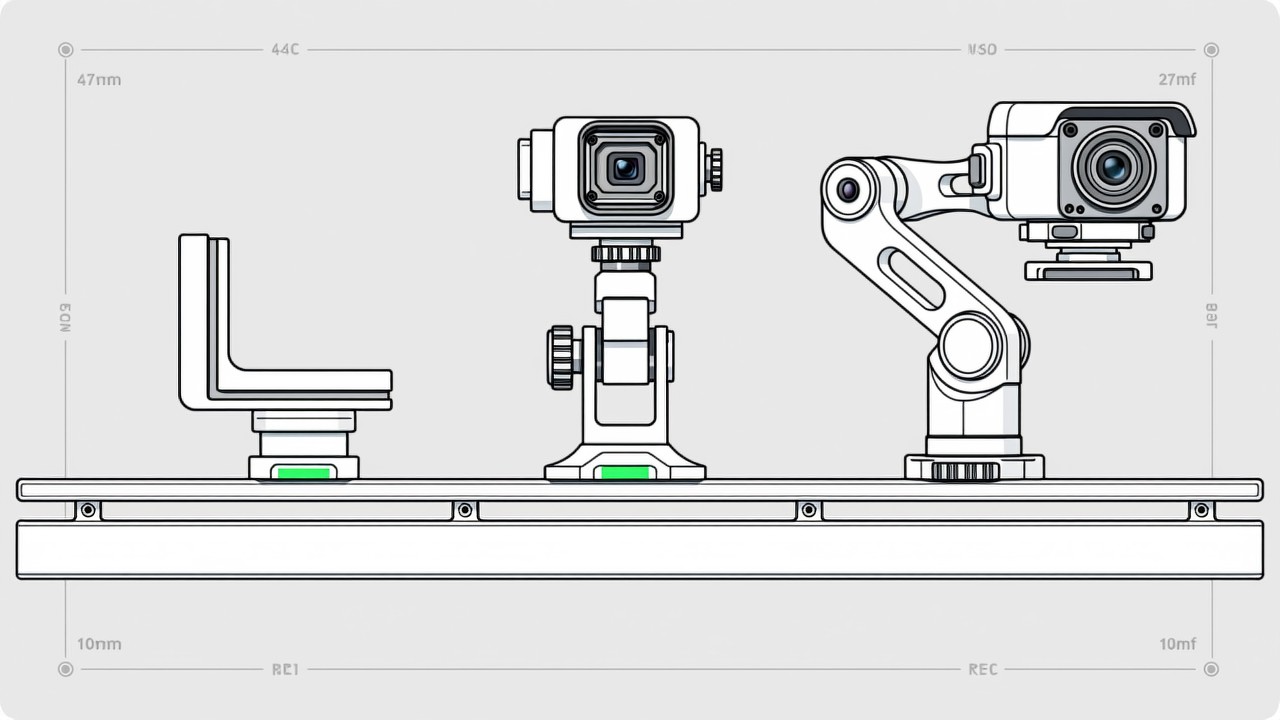
Visual SOP Camera Selection and Mounting
Camera selection for visual SOP is not the same as for product inspection. The s…
Read more → -
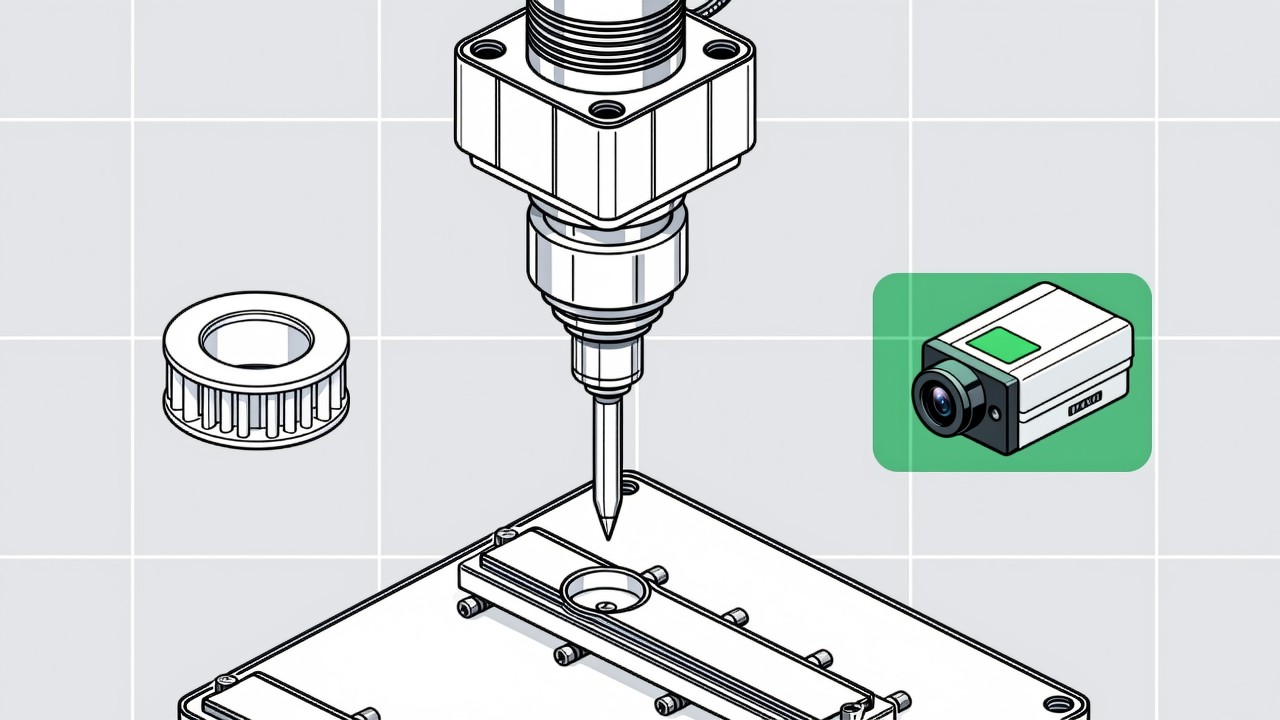
Vision Monitoring at the Semiconductor Die Bonder
Semiconductor packaging stations are characterised by high precision, fast cycle…
Read more → -
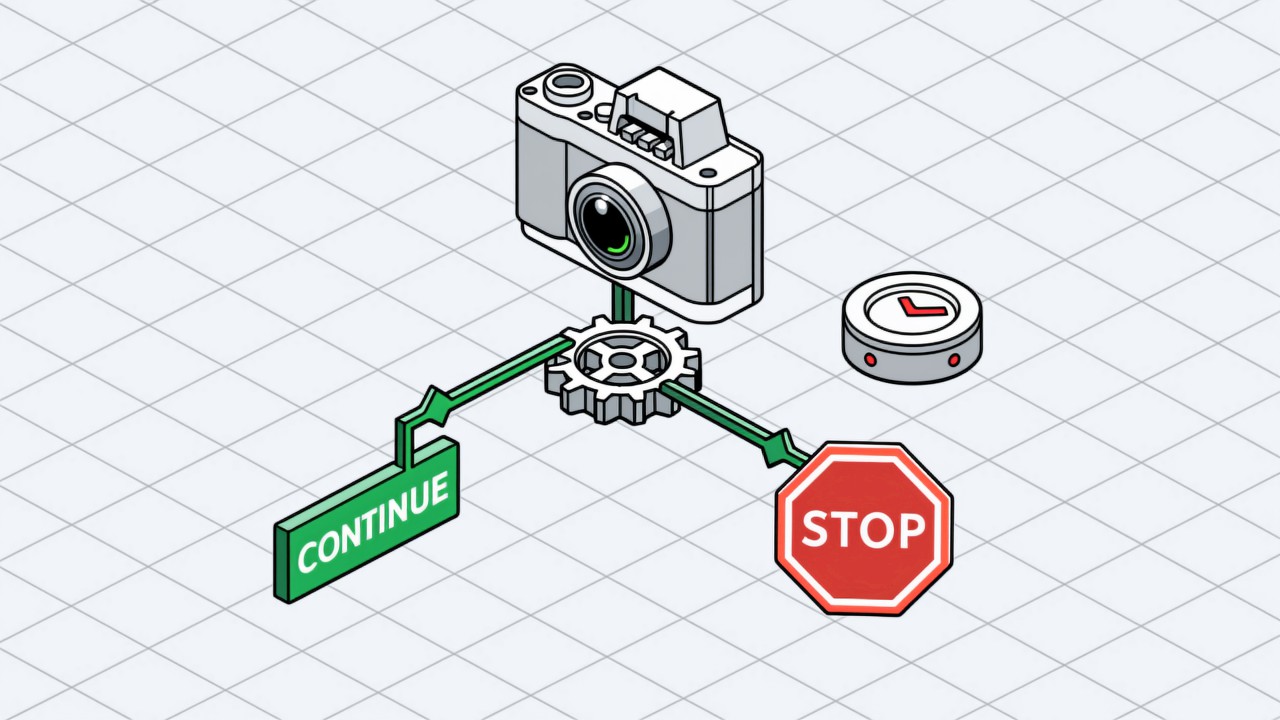
Wrong-Assembly Alarms Without the False Alarms
The most common reason a visual SOP project fails is not poor recognition — it i…
Read more →
Need specific advice for your production line?
Our engineers can share practical approaches to process error prevention and SOP compliance inspection for your scenario.
Request a free trial plan