
Visual SOP Camera Selection: The Order of the Three Decisions
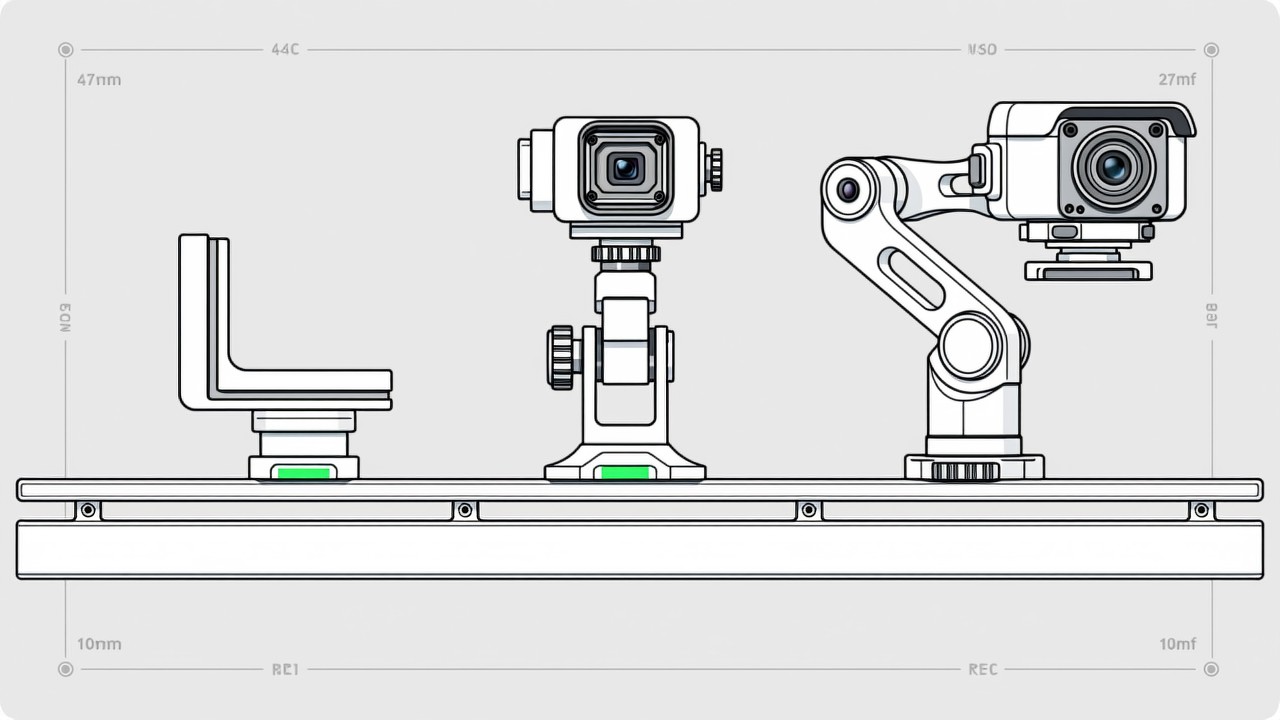
Camera selection for visual SOP is not the same as for product inspection. The subject is actions and states, not cosmetic defects. That changes the order of the decisions: fix the mounting position and field of view first, then the shutter type, then resolution and lighting.
Key takeaways
- Work in this order: position and field of view, then shutter type, then resolution and lighting. Reversing it causes rework.
- Stations with fast actions generally need a global shutter; a rolling shutter produces motion distortion.
- Lighting matters more than the camera. Imaging stability comes from lighting, not from the algorithm.
- Mounting rules: see the detection target, do not block the operator, do not interfere with the working motion.
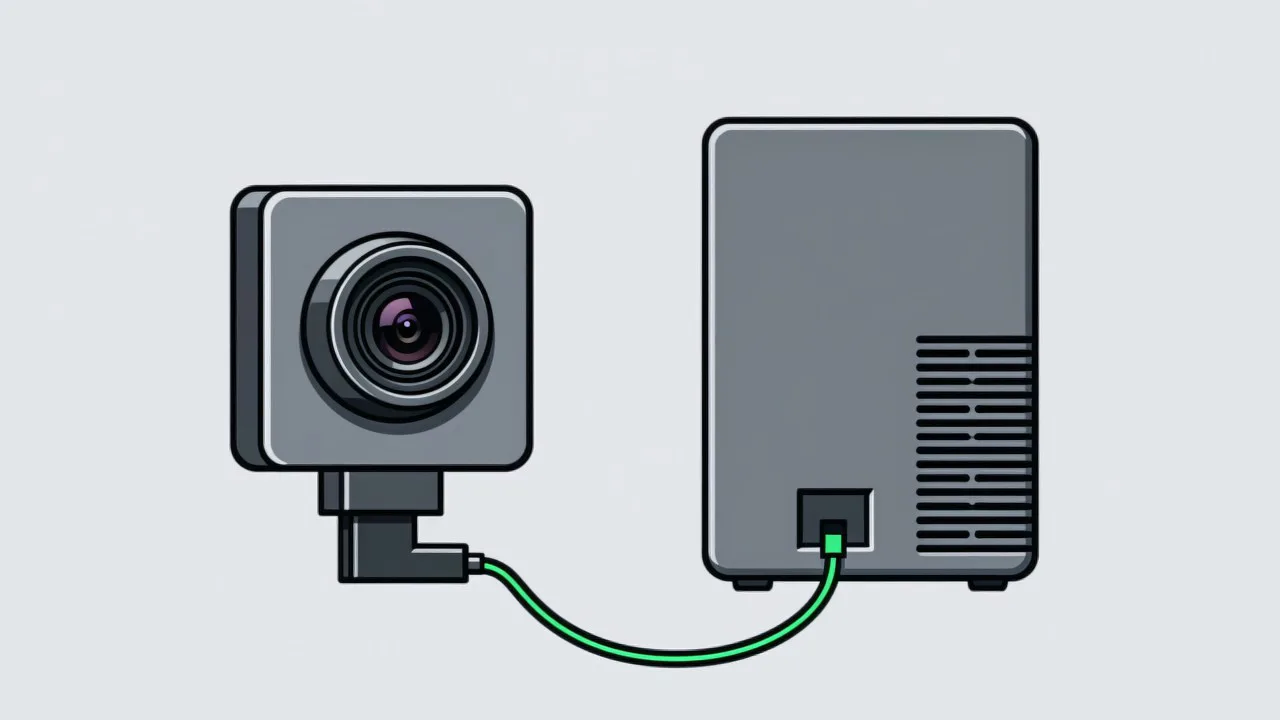
The selection logic for visual SOP differs from cosmetic inspection. Inspection needs to resolve fine defect detail and chases resolution; visual SOP needs to see whether an action happened and whether material is in place, so it cares more about a complete field of view, stable imaging and shutter speed. Calculating the specification first leads to rework; fixing the position first is the correct order. Before any of that, it is worth confirming the station suits vision at all — see the visual SOP site assessment.
Decision one: mounting position and field of view
- See the detection target. The targets are the operator’s hand actions, the material pick and place positions, and the state after assembly. All three need to be in one field of view, or you need more than one camera.
- Do not block the operator. The camera and bracket must stay out of the working motion and out of the operator’s sightline, or the floor will resist it.
- Do not interfere with the work. Avoid mounting on the path material must travel, and within the range the operator’s head moves through.
- Be maintainable and protected. The position should allow easy lens cleaning and adjustment, while keeping the camera clear of impacts from material or fixtures.
Decision two: shutter type
| Type | Fits | Watch out for |
|---|---|---|
| Global shutter | Stations with fast actions (pick and place, fastening, connector insertion) | Higher cost, but avoids motion distortion |
| Rolling shutter | Slow actions or a stationary subject | Fast motion produces skew and smear that break the judgement |
| All-in-one smart camera | Space-constrained stations needing edge inference | Highly integrated, less on-site cabling |
Decision three: resolution
Resolution is calculated by taking the smallest feature that must be resolved, multiplying by a safety factor (usually three to five times), then working back to the pixel count needed for the field of view. Visual SOP scenes generally do not need extreme resolution, because the subject is a macro feature — an action, a position — not a micron-scale defect. That is one of the reasons a workstation SOP monitoring system is easier to deploy than cosmetic inspection, and it is also why terms such as cycle time and threshold matter more than pixel count.
The order matters more than the specification
Most rework in a vision project comes from choosing a camera first and then trying to find somewhere to put it. The specification feels concrete and reassuring, so it gets settled early; the mounting position feels like a detail and gets left until installation. In practice the position constrains almost everything else, because the field of view, the working distance and the lighting all follow from where the camera can physically sit. Fix the position, and the shutter, resolution and lens choices become short, well-bounded questions.
Common questions about selection
How many cameras does one station need?
It depends on whether the detection targets fit in a single field of view and whether anything occludes them. Most stations need one; a station with two-handed work and occlusion may need two.
Do we have to use a 3D camera?
Most operations can be judged in 2D for presence and position. Scenarios involving height, depth or volume — whether a part is fully seated, for example — are where a 3D approach is worth considering.
Can existing CCTV cameras be used?
Usually not. Security camera aperture, shutter and exposure control are not suited to action judgement, and cannot guarantee consistent imaging.
Tight on space and unsure where the camera goes?
Send a photo of the station and the cycle time and we can suggest a mounting position.
Related articles
-
Vision Monitoring at the Semiconductor Die Bonder
Semiconductor packaging stations are characterised by high precision, fast cycle…
Read more → -
Wrong-Assembly Alarms Without the False Alarms
The most common reason a visual SOP project fails is not poor recognition — it i…
Read more → -
Preventing Skipped Steps in Production
A skipped step and a missing operation are different problems. In a skipped step…
Read more → -
How Visual SOP Connects to MES
The hard part of integration is not the technology choice — it is defining what …
Read more →
Need specific advice for your production line?
Our engineers can share practical approaches to process error prevention and SOP compliance inspection for your scenario.
Request a free trial plan