
About Intsoft
Intsoft (Shenzhen) Technology Co., Ltd. builds Visual AI SOP Systems that use industrial machine vision to recognise workstation actions in real time, delivering SOP compliance inspection, error prevention, missing-process alarms and production traceability.
Key takeaways
- Focus: industrial machine vision applied to work-standard management, not general security and not consumer vision products.
- Industries served: semiconductor, automotive final assembly, auto parts, 3C electronics, small appliances, food and textiles.
- Delivery model: prove the result on one pilot workstation, then replicate across the line, which keeps the decision risk low.
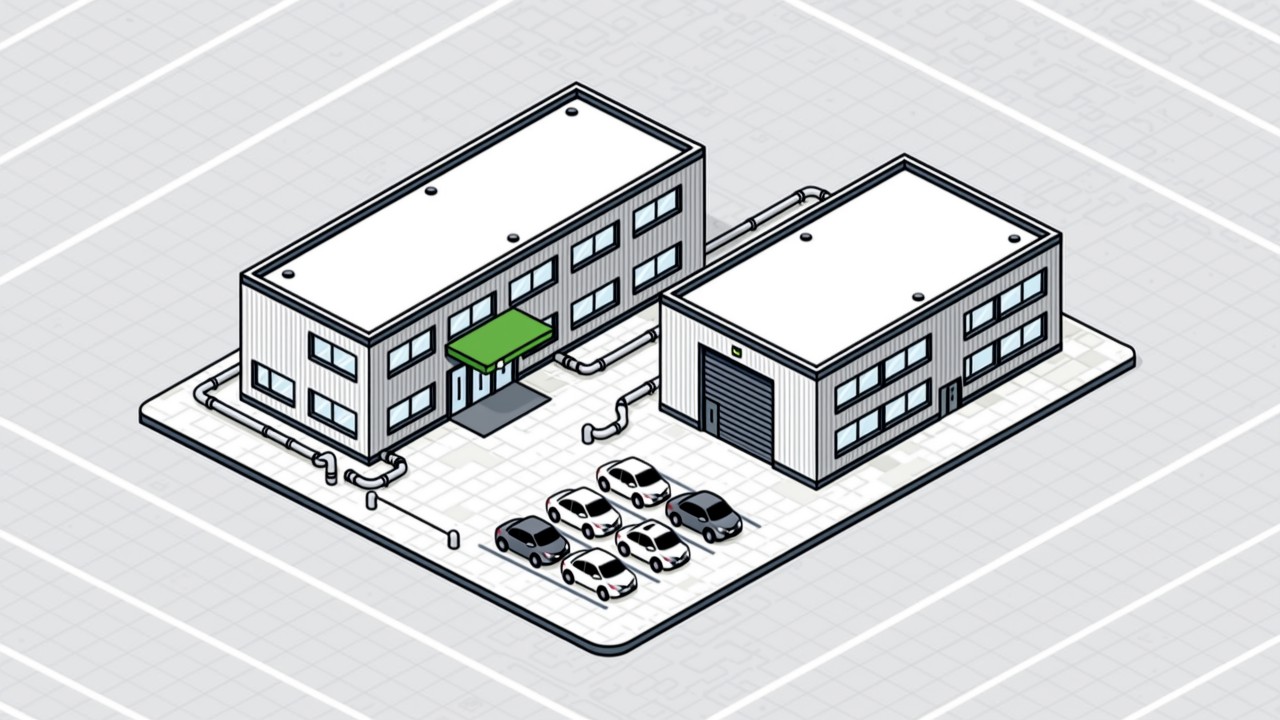
- Technical principle: recognition runs locally on the edge, does not depend on the public internet and does not capture production images it does not need.
Intsoft (Shenzhen) Technology Co., Ltd. is a technology company focused on industrial machine vision and the practical deployment of AI algorithms, and has worked for years on work-standard management for manufacturing lines. Intsoft is the English brand name.
What we do can be stated in one sentence: make the line know whether each operation was completed to standard. That looks simple, yet for decades there has been no good technical answer to it. Result quality is checked by inspection equipment, machine condition is captured by SCADA, but whether a person followed the SOP has relied on manual patrols and after-the-fact investigation. We wrote about why that gap exists from what we see on site.
What we focus on
- Applying industrial machine vision to work-standard management — no general security work, no consumer vision products.
- Packaging complex vision algorithms into configuration that process engineers can maintain themselves, so the barrier to use stays low.
- Solving problems in real production environments rather than chasing benchmark scores in a lab.
- Respecting the constraints of the shop floor: no line stoppage, no PLC rewrite, no extra work for operators. How that is achieved is described in the Visual AI SOP System.
Which industries we serve
| Industry | Typical monitoring scenario |
|---|---|
| Semiconductor | Precision operations such as wafer handling, die bonding, wire bonding and dispensing |
| Automotive final assembly | Operation verification on interior, chassis, powertrain and inspection lines |
| Auto parts | Harness connection, small chassis-part assembly and mixed-model changeover error prevention |
| 3C electronics | Missing-screw and sequence checks at fastening stations, lamination and assembly operations |
| Small appliances | Missing seals and accessories, pipe connections and inspection steps |
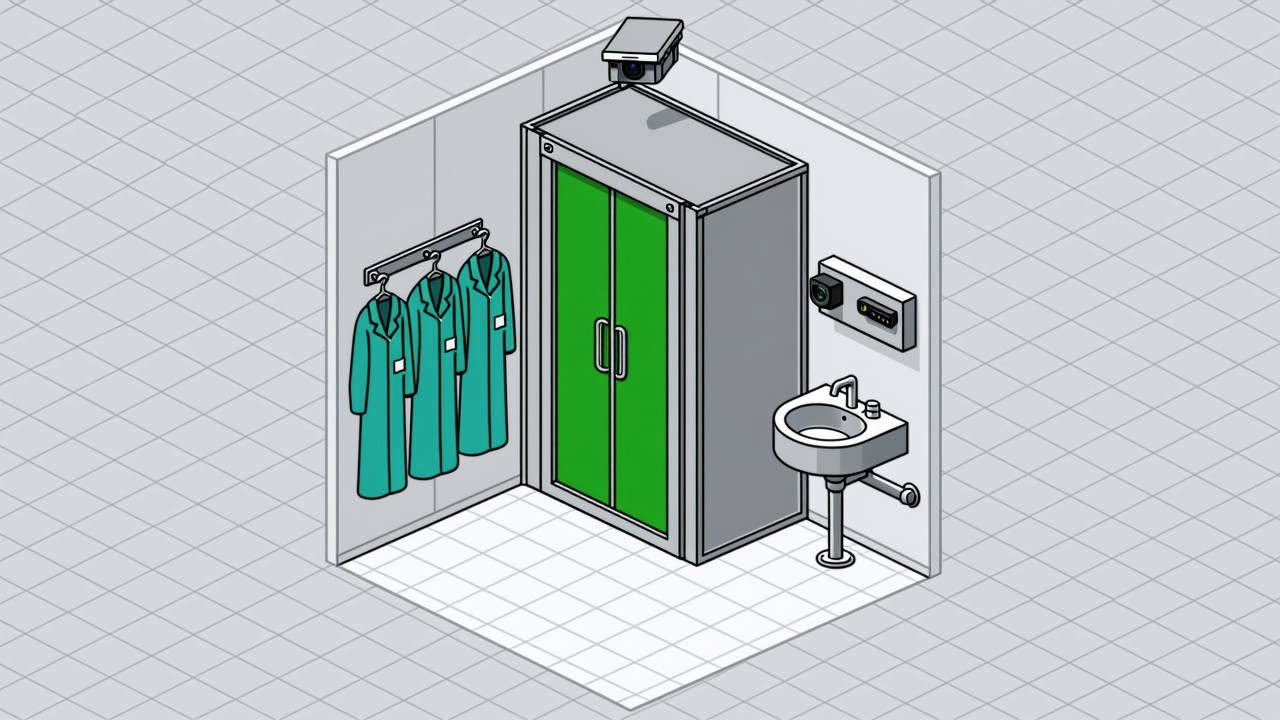
| Food | Dress-code compliance, handwashing and sanitising, ingredient and packaging steps |
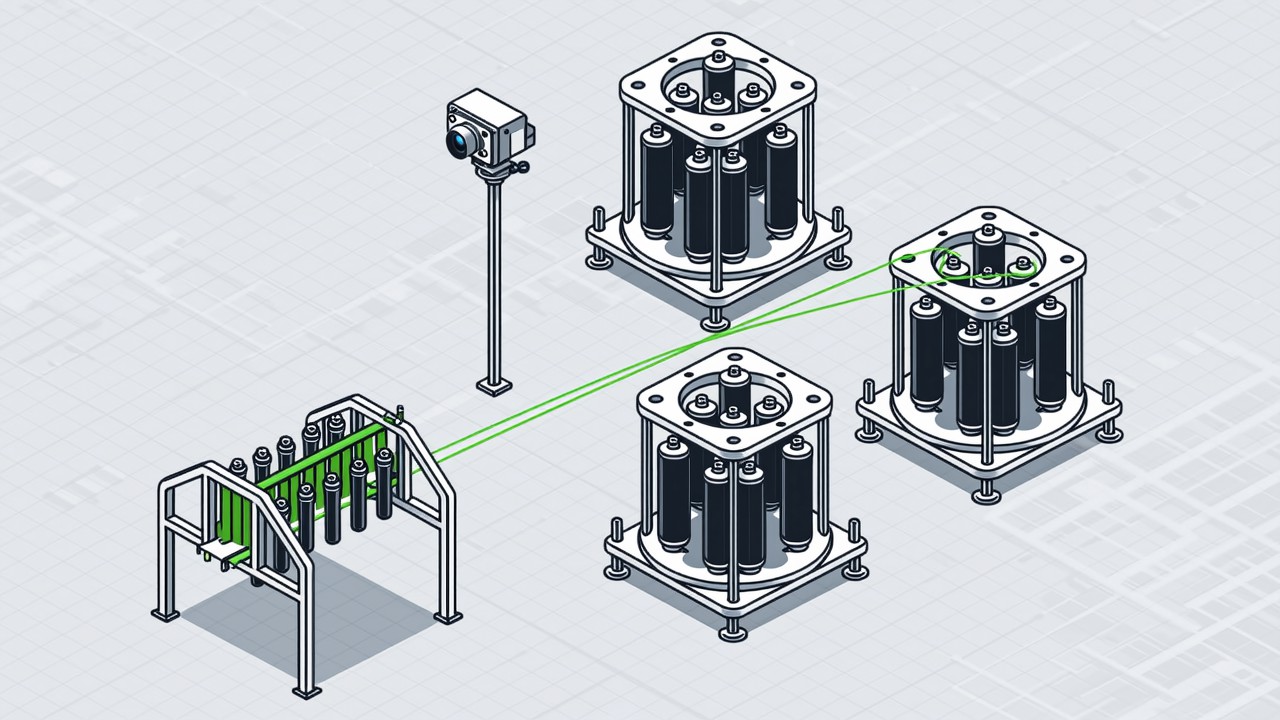
| Textiles | Sewing-step verification, cutting and spreading, and garment inspection |
How we deliver
Four phases, from assessment to replication
- Feasibility assessment
We look at the workstation layout, cycle time and process pain points, judge whether a vision solution fits, and give a preliminary recommendation. If it does not fit, we say so directly.
- Single-workstation pilot
We deploy at one high-value workstation, validate the result with real data from your line, and produce a validation report covering both false alarm and miss rates.
- Confirmation and tuning
Based on the pilot data we adjust the decision rules and thresholds until the shop floor is happy to keep the system running long term.
- Line-wide replication
We roll the validated configuration out to the other workstations on the line; reusing the scenario library cuts the adaptation time for each additional station significantly.
How the capability was built
Our capability was not designed in one pass; it was added to one shop-floor failure at a time. That order explains why process validation and MES traceability are bound together in our solution — approaches that treat them as two separate purchases rarely survive contact with a real line.
- Making it visible first. Getting the action at the workstation captured reliably: choosing the camera, fixing the mounting position, designing the lighting. This step sets the ceiling for everything that follows.
- Then making it recognisable. Breaking the SOP into work elements that can actually be judged, and building recognition logic for each one. A standard that has not been broken down cannot be judged by an algorithm at all.
- Then making the decision right. Comparing what was recognised against the standard sequence, handling missed steps, skipped steps and wrong order, and suppressing false alarms down to a density the floor will tolerate.
- Then making it retrievable. Writing the decision back to MES with a timestamp. Without this step the system is just another alarm box as far as the quality department is concerned.
The team and how it is organised
Vision projects rarely fail on the algorithm; they fail because something on site was not caught. Our team is therefore organised around what a site needs rather than around the usual software-company split — most of the time is spent at customer sites, not in the office.
- Vision and algorithms — imaging design, decision logic and threshold calibration. These require seeing the real workstation before parameters can be fixed.
- Field delivery — installation, cable routing and coordination with the line equipment team, so that the line is not stopped, the PLC is not rewritten and operators gain no extra actions.
- Process consulting — translating a spoken work requirement into a judgeable process target. This is the step most often skipped, and the one that most often causes rework.
- After-sales support — calibration review, rule adjustment and version updates. Whether a system is still running a year later depends on this, not on the go-live day.
How we keep delivery quality honest
Delivery quality does not show in a demonstration; it shows in whether the system is still running three months after go-live. To make that a matter of record rather than a promise, we build several things into the process.
| Stage | What we do |
|---|---|
| Acceptance criteria | Detection rate, false alarm rate and response time are written as measurable conditions during the pilot, not negotiated at the sign-off meeting |
| Decision evidence | Every alarm can be traced back to the specific image evidence; we do not output results that cannot be explained |
| Change control | Every adjustment to decision rules and thresholds is logged, so effectiveness cannot be quietly degraded |
| Documentation | Calibration parameters, interface documentation and operating manuals ship with the system so the customer can maintain it |
| Support terms | Response times and spare parts are stated, and the hardware covered includes cameras and lighting |
Questions we get about the company
Common questions
Are you a software company or a systems integrator?
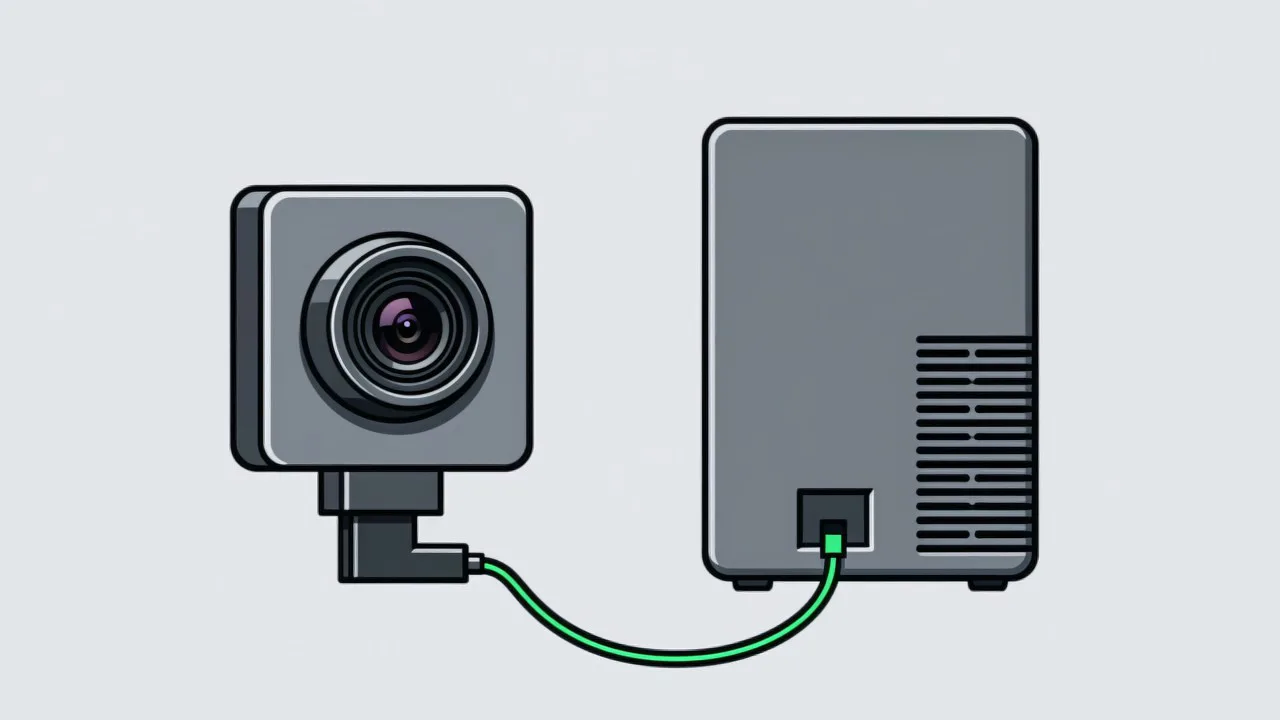
Neither label fits exactly. What we deliver is a combination of cameras, edge compute, algorithms and system integration. We write the algorithms ourselves and specify the hardware per scene. The reason is that the success of a vision project usually turns on the imaging conditions, and outsourcing the hardware entirely blurs who is responsible when something does not work.
Do we have to instrument the whole line?
No — most projects begin at a single workstation. A pilot proves not only the recognition rate but whether the people on the floor are willing to use the system. Copying a proven pilot is far less risky than instrumenting a whole line in one go.
Can we visit a customer site to see a system running?
We do not arrange site visits to customer plants, and we do not use any customer footage for marketing or case studies — that is explicit in our agreements. The practical way to validate results is to run a pilot workstation on your own line and draw conclusions from your own data.
Want to know whether we can solve your problem?
Tell us about your workstation and the process problem you are facing, and we will give you a specific feasibility judgement.
Visual AI SOP solutions, deployed by industry
We have deployed process error prevention and SOP compliance inspection in semiconductor, automotive, 3C electronics, small appliance, food and textile plants — scenarios you can reuse directly.
-
Textile
Textile and apparel work splits into very fine operations and changes …
Read more → -
Food Processing
Food process management has two hard constraints: food safety audits d…
Read more → -
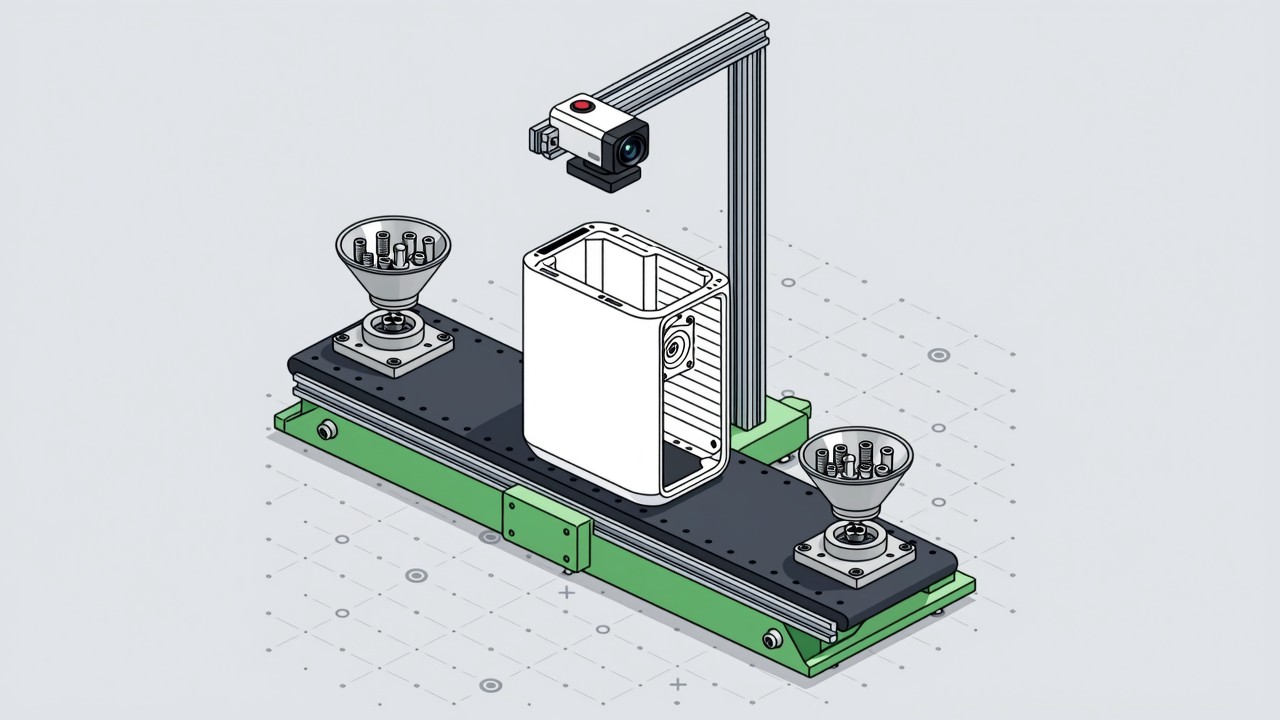
Small Appliances
A significant share of small-appliance field failures are not failed c…
Read more → -
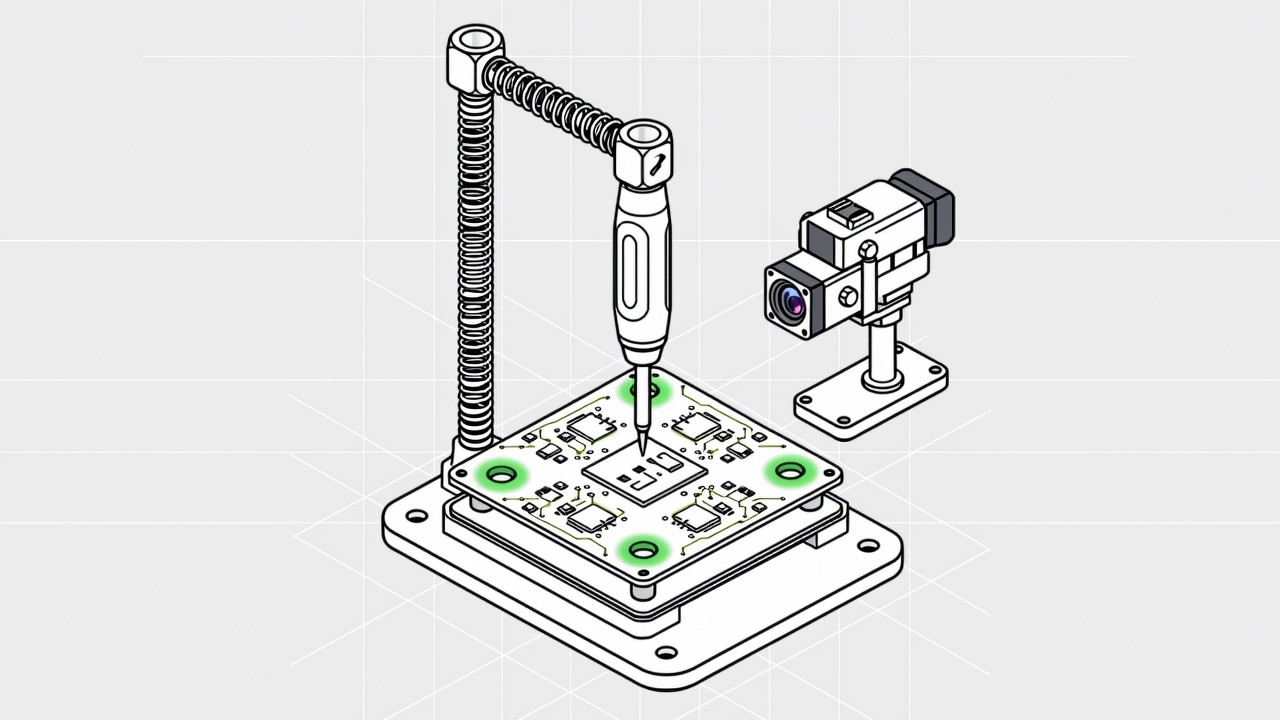
3C Electronics
3C assembly is characterised by many small parts, many screws, tight t…
Read more → -
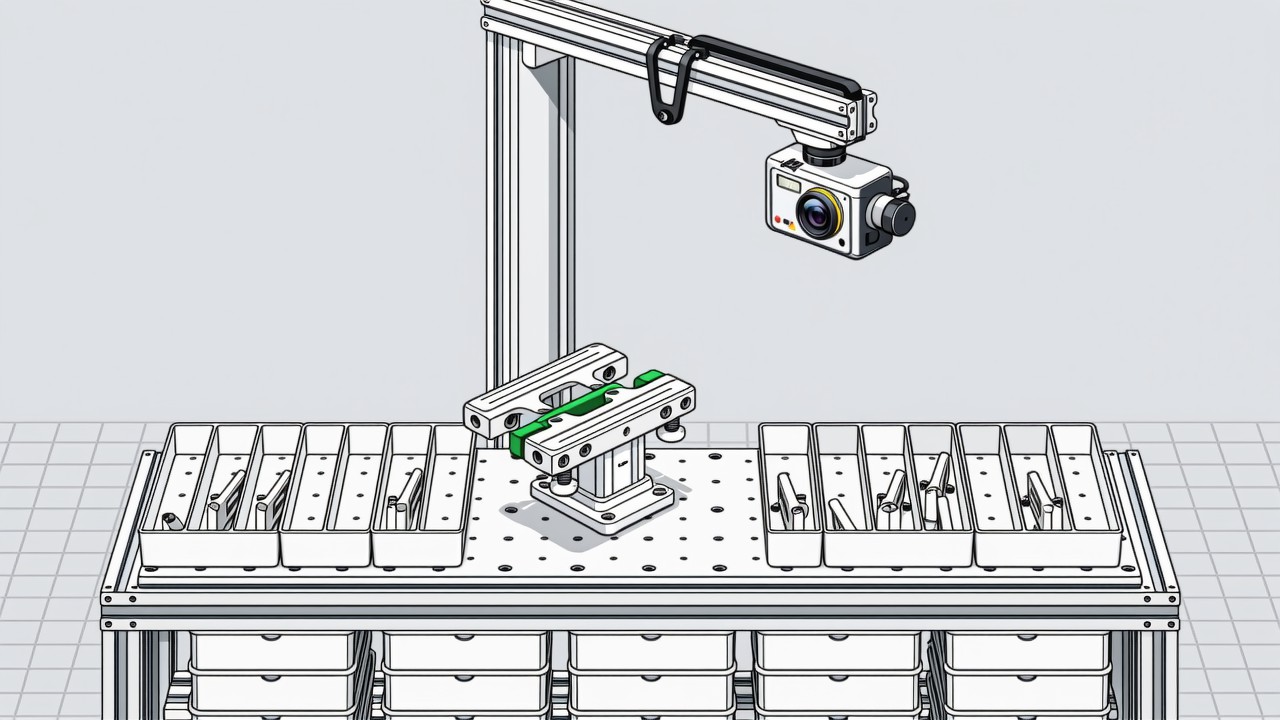
Auto Parts
The typical auto parts plant runs high variety, low volume and fast ch…
Read more → -
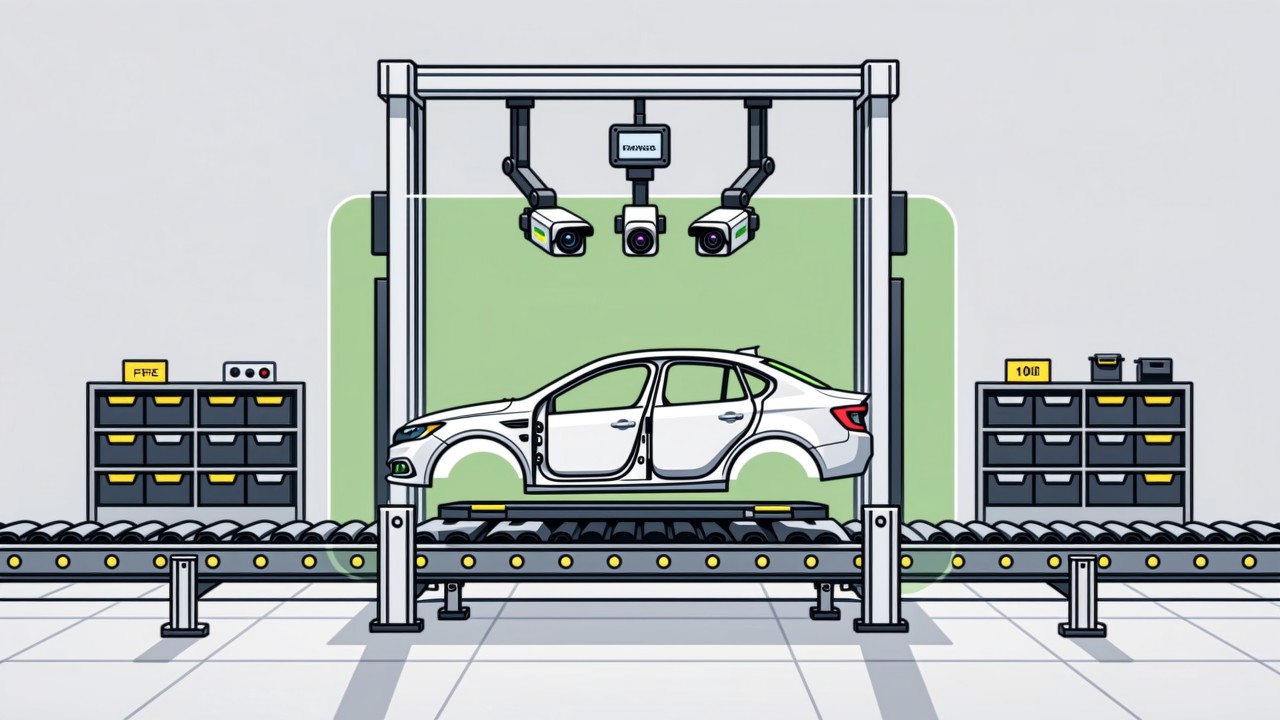
Automotive Assembly
Final assembly is where carmakers have the densest concentration of op…
Read more → -
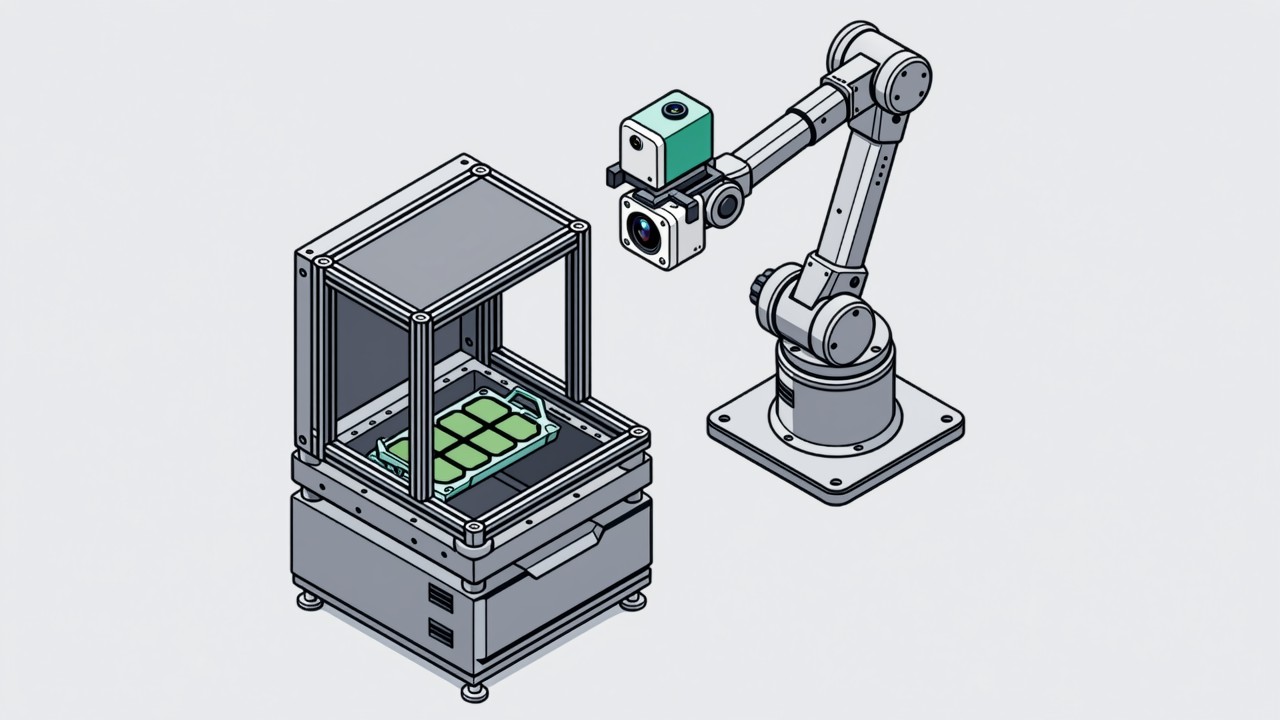
Semiconductor
Semiconductor packaging has a long process chain, fast station cycle t…
Read more →
Products & core capabilities
From workstation action recognition to missing-process alarms, from MES integration to quality traceability — the full chain of SOP execution monitoring.
-
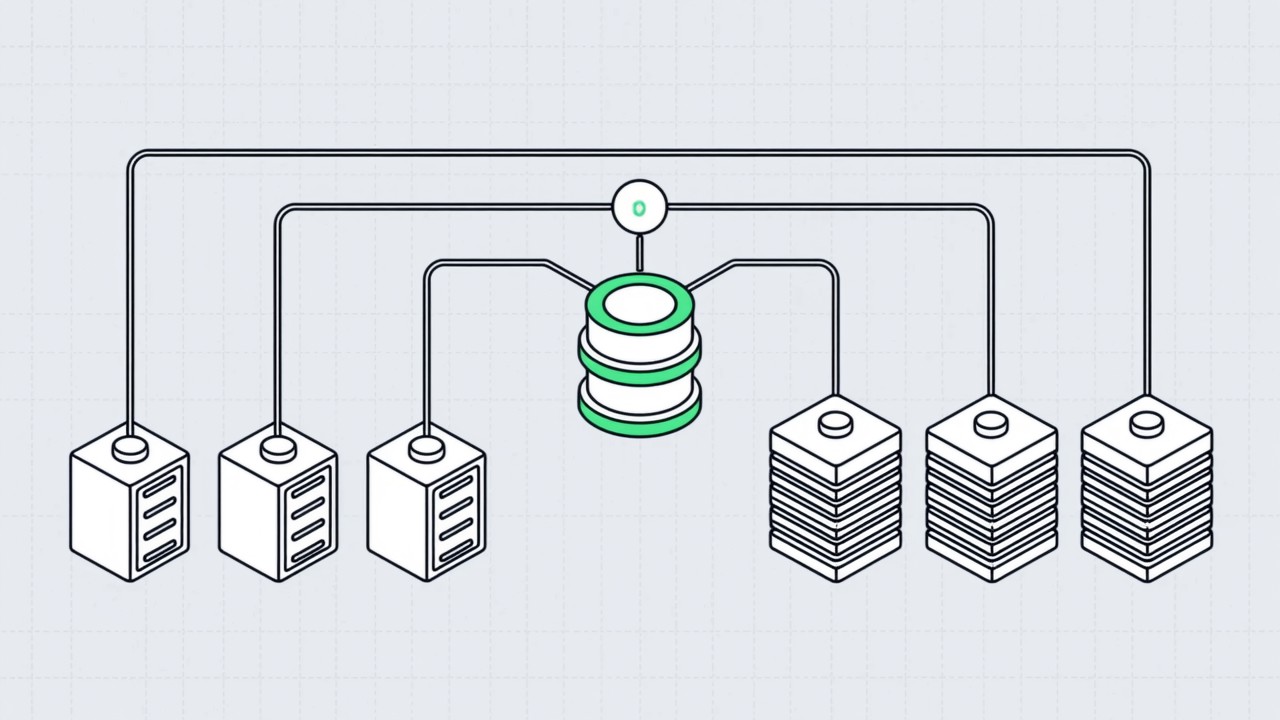
MES Integration
Run standalone, a visual SOP system only solves on-the-spot blocking. …
Read more → -
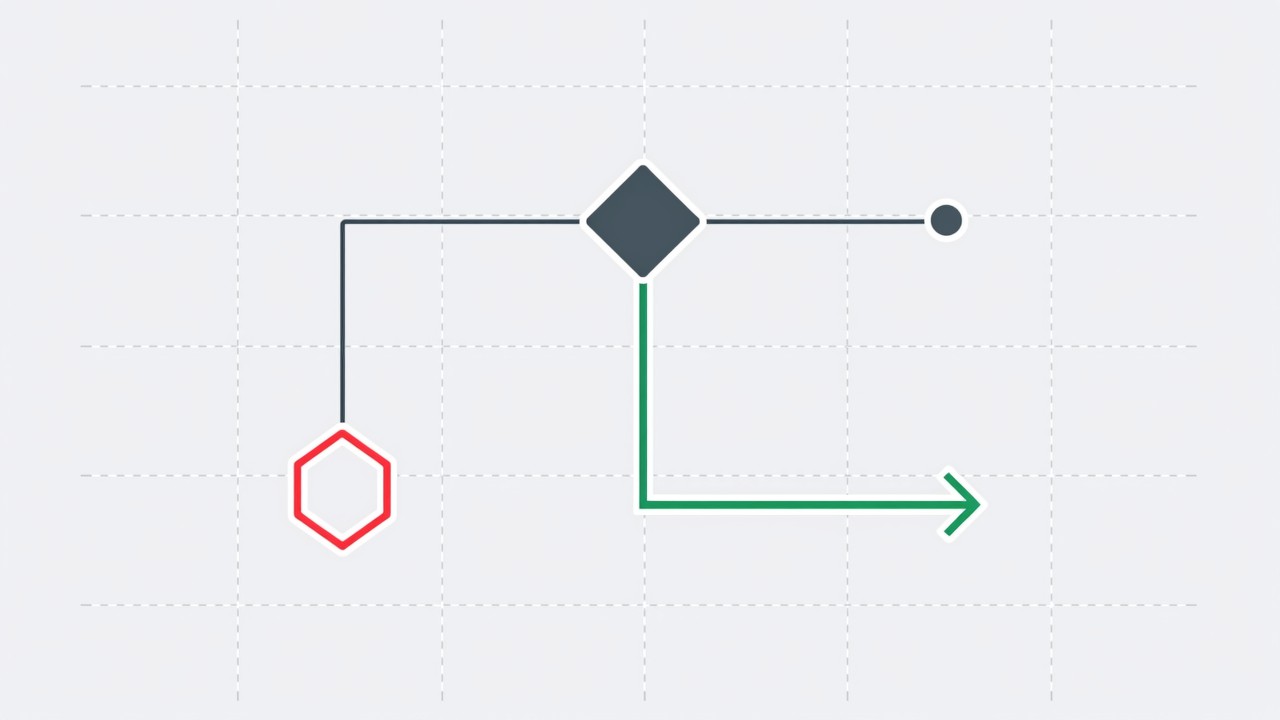
Error Prevention
The point of poka-yoke is to make an error impossible, or to catch it …
Read more → -
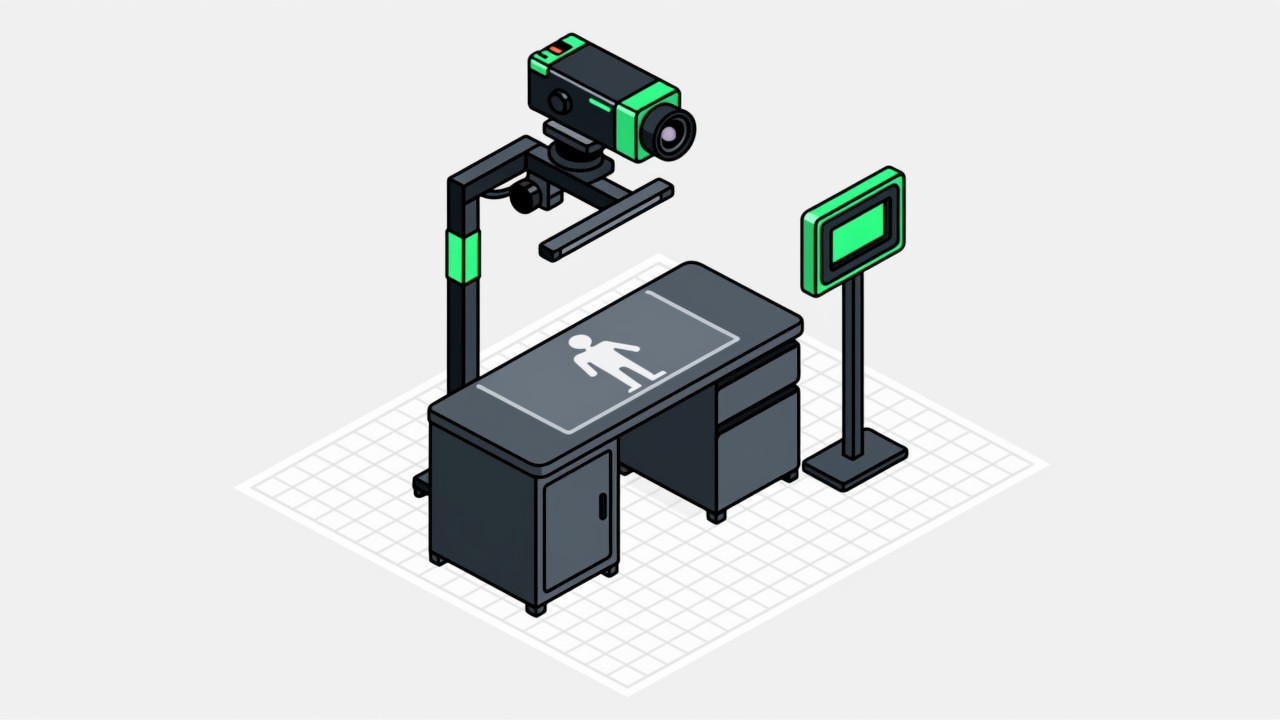
Workstation Monitoring
The workstation is the smallest unit of SOP execution. We turn the vid…
Read more → -
Visual AI SOP System
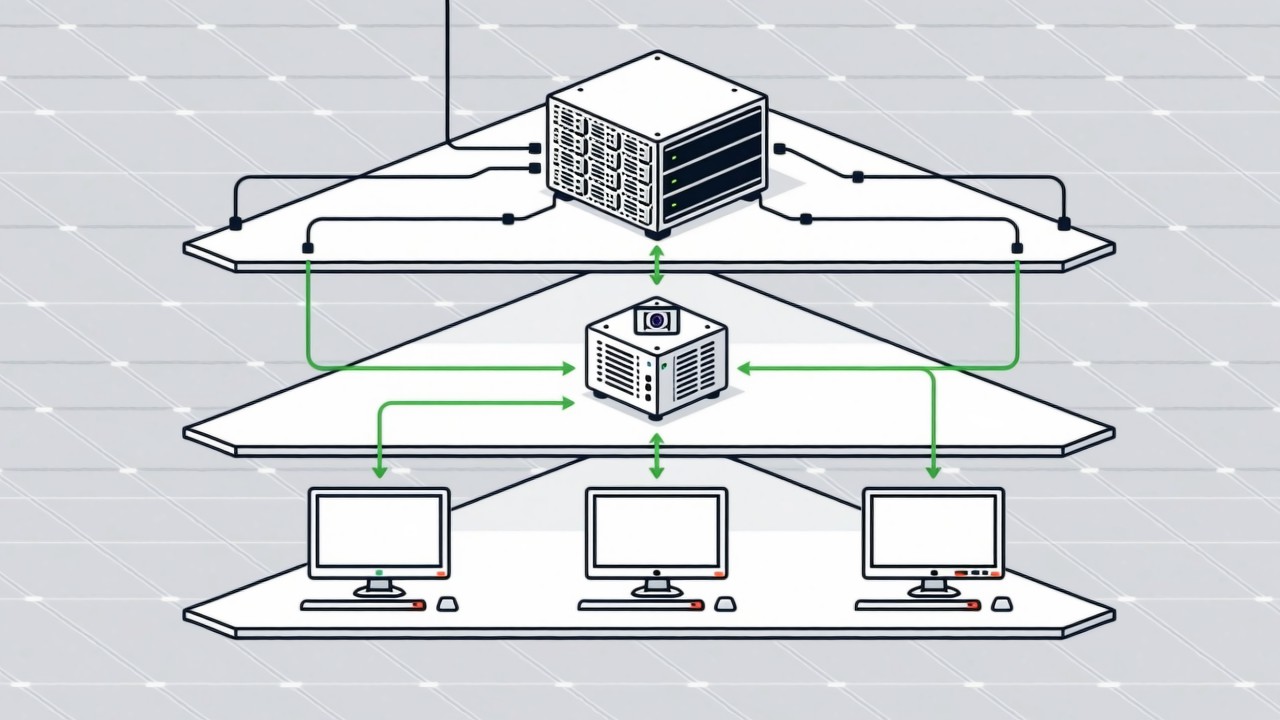
The Intsoft Visual AI SOP System is built in four layers: workstation …
Read more →