
Visual AI SOP for Food Production Lines
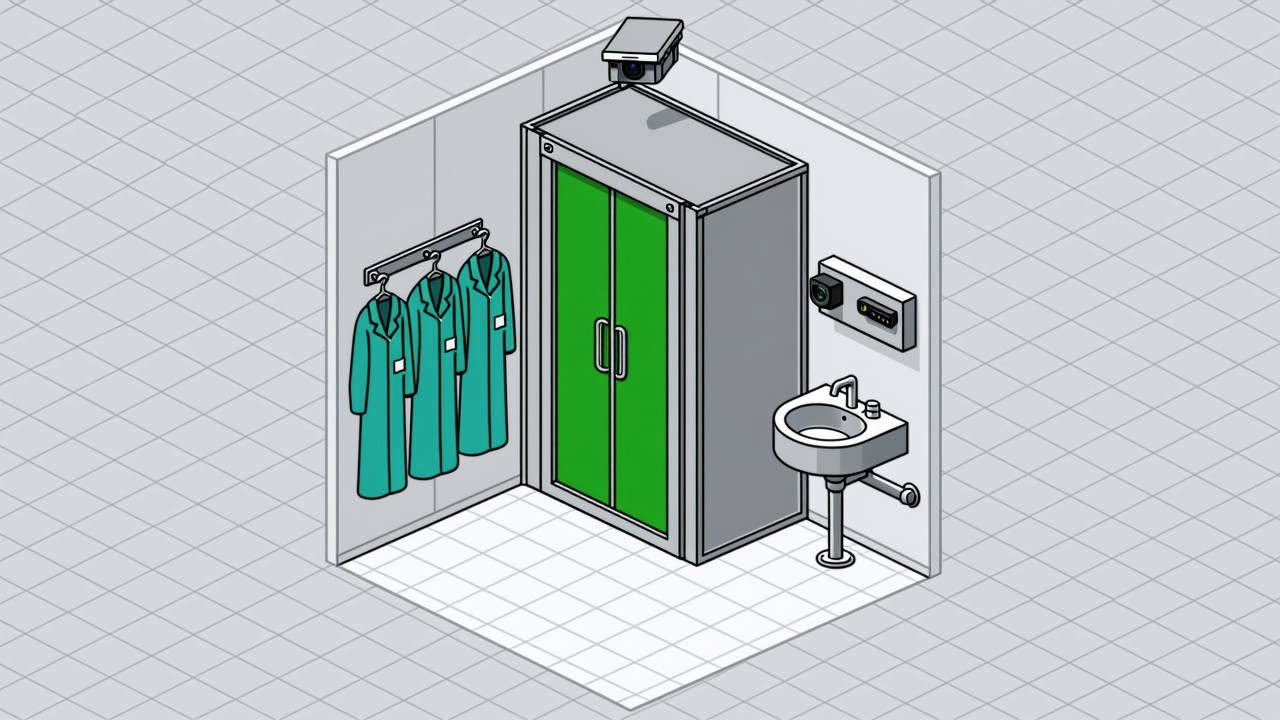
Food process management has two hard constraints: food safety audits demand evidence, and personnel operations must be compliant. Non-compliant PPE, skipped batching steps and missing packing inserts all map directly to food safety risk. We use machine vision to monitor continuously at the plant entrance and at key operations, turning compliance into records that can be retrieved.
Key takeaways
- PPE compliance detection: whether hairnets, masks, gloves, uniforms and footwear meet requirements.
- Foreign-object risk control: monitors jewellery and personal items for unauthorised entry into production areas.
- Batching error prevention: checks ingredient type, order and weighing confirmation actions.
- Packing station compliance: checks that inserts, desiccant and documentation are placed as specified.
- Audit evidence retained: compliance records export as supporting material for food safety system audits.

SOP monitoring in food has one fundamental difference from discrete manufacturing: the main subject is people, not parts. Whether PPE is compliant, whether hand-washing and sanitising were carried out, whether jewellery is being worn, whether the batching order is correct - these are all personnel behaviours, and behaviour is exactly what conventional sensors struggle to capture.
Machine vision is a natural fit here. Compared with manual spot checks, it can inspect every employee on every entry, with a judgement that never drifts; compared with RFID or turnstiles, it can recognise fine distinctions such as a hairnet that is worn but not covering the hair. The wider case is made in our article on food hygiene visual SOP, the recognition capability sits in workstation operation monitoring, and the same principle applies to textile workshops.
Monitoring Scenarios and What Is Assessed
| Scenario | Monitored content | Associated risk |
|---|---|---|
| Plant entrance | Completeness of hairnet, mask, gloves, uniform and footwear | Hair, droplets and foreign objects |
| Entrance / changing area | Unauthorised jewellery, watches, phones and personal items | Foreign-object contamination |
| Hand-wash and sanitising area | Whether wash, sanitise and dry steps are completed | Microbiological contamination |
| Batching station | Ingredient type, ingredient order, weighing confirmation action | Recipe error, allergen cross-contact |
| Packing station | Inserts, desiccant, documentation, sealing action | Missing insert, poor seal |
| Cleaning operation | Cleaning action coverage, tool use, sanitising dwell | Incomplete cleaning |
Points to Watch During Rollout
- Entrance monitoring has to keep traffic moving; the verdict must complete as each person walks through, without queues at shift change.
- PPE detection should distinguish 'not worn' from 'worn incorrectly', because the two call for different responses - interception versus a reminder.
- Data that contains employee images needs an explicit retention period and access policy, agreed with HR at the design stage.
- Prefer local audible and visual alerts and supervisor notification over publishing personal information on a shop-floor display.
- Align the export format with the fields your food safety system audit forms already use.
The Limits of Camera-Based Compliance
A camera verifies behaviour and step completion; it does not detect microbiological contamination, allergens or temperature. Those remain with sampling, swabs and the laboratory. What the system removes is the argument over whether the step was carried out at all, and the human side of that change is covered in operator resistance.
- Crowded changing areas at shift change are the main throughput risk; the entrance verdict has to complete as each person walks through, which may require designated lanes.
- It cannot judge product taste, texture or smell, and is not a substitute for laboratory testing.
- Camera housings need a suitable IP rating and air purge or defogging in humid, steamy areas, and the imaging trial has to be run on site.
- Preconditions: an agreed image retention and access policy with HR, and an export format matched to your existing audit forms.
Food plant questions we hear most
The workshop is humid, with mist and steam - is the equipment reliable?
It needs camera housings with a suitable IP rating, usually IP65 or above, plus air purge or heated defogging elements. We run an on-site imaging trial at the design stage.
Will employees feel watched and resist?
This is the most critical part of the rollout. Start with reminders rather than assessment, frame it clearly as protecting employees from being blamed for an oversight, and involve supervisors in setting the rules.
Can the detection tell that a hairnet is worn but not covering the hair?
It can be done, but that scenario needs its own model calibration and thresholds. We normally recommend starting with a presence check and upgrading to a compliance check once it is running reliably.
Assess your food plant workstation
Tell us your workstation layout, cycle time and the process that causes the most trouble today, and we will recommend camera options and a pilot workstation.
Other industry solutions
-
Textile
Textile and apparel work splits into very fine operations and changes …
Read more → -
Small Appliances
A significant share of small-appliance field failures are not failed c…
Read more → -
3C Electronics
3C assembly is characterised by many small parts, many screws, tight t…
Read more → -
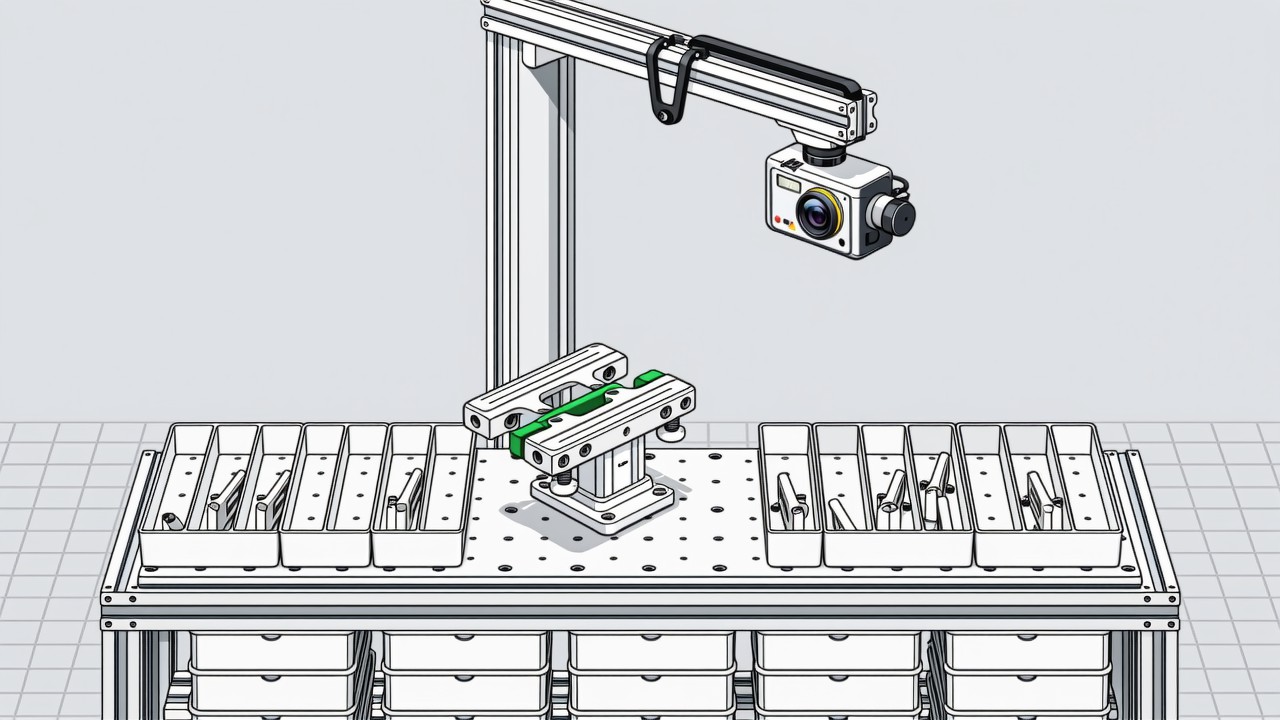
Auto Parts
The typical auto parts plant runs high variety, low volume and fast ch…
Read more → -
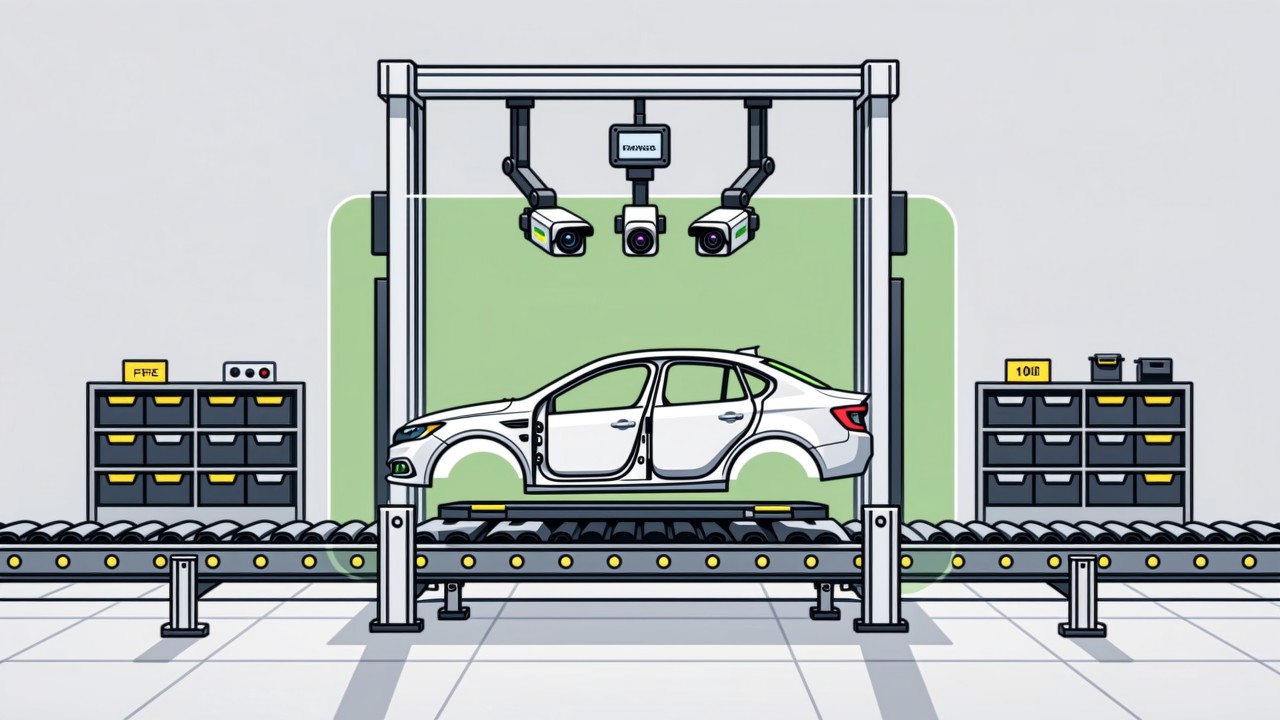
Automotive Assembly
Final assembly is where carmakers have the densest concentration of op…
Read more → -
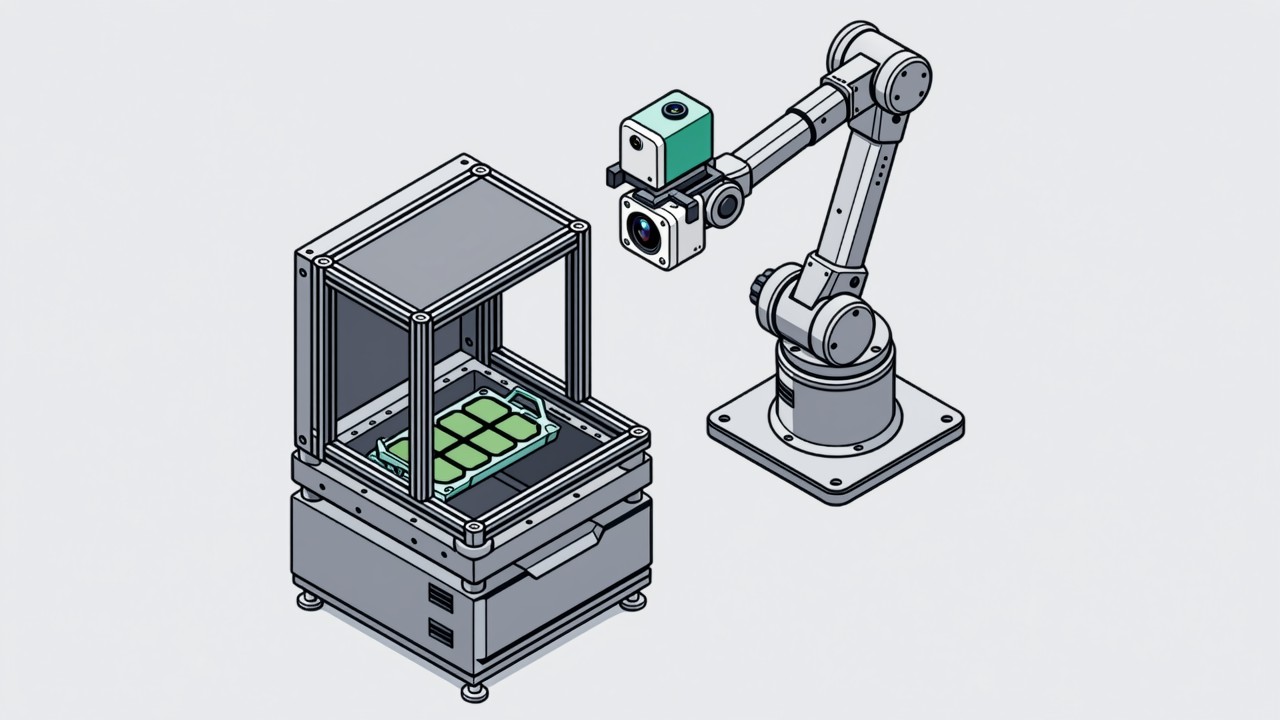
Semiconductor
Semiconductor packaging has a long process chain, fast station cycle t…
Read more →
Related products & capabilities
-

MES Integration
Run standalone, a visual SOP system only solves on-the-spot blocking. …
Read more → -

Error Prevention
The point of poka-yoke is to make an error impossible, or to catch it …
Read more → -
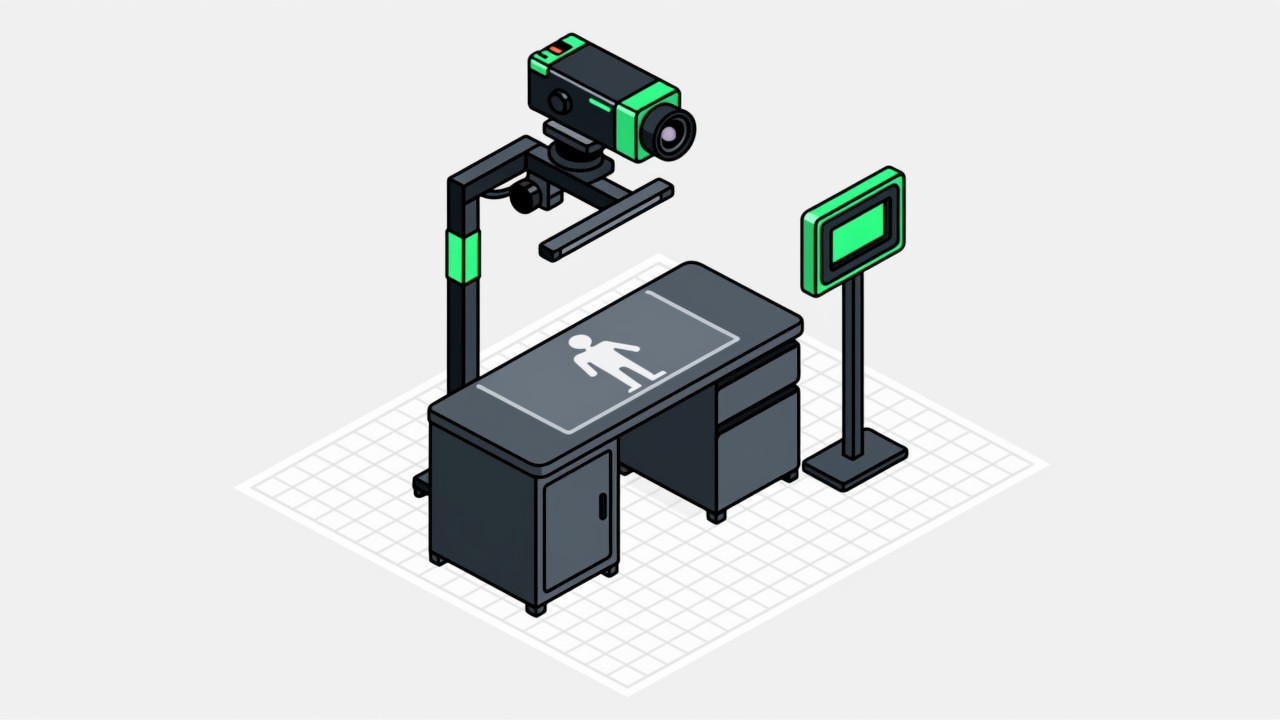
Workstation Monitoring
The workstation is the smallest unit of SOP execution. We turn the vid…
Read more → -
Visual AI SOP System
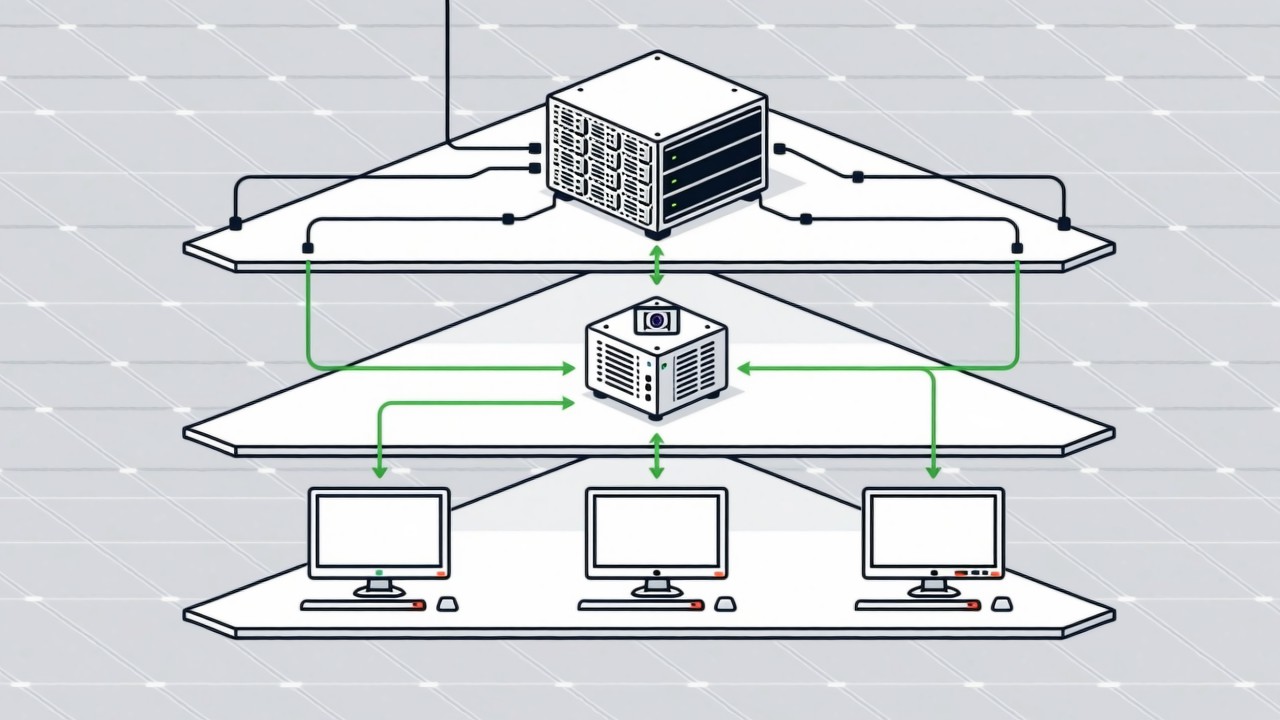
The Intsoft Visual AI SOP System is built in four layers: workstation …
Read more →
Does your industry face similar process problems?
Tell us your workstation scenario and process pain points, and we will tailor a solution based on cases already delivered in your industry.
Request a free trial plan