
Visual AI SOP for Semiconductor Packaging Lines
Semiconductor packaging has a long process chain, fast station cycle times and high unit value, so a single skipped or out-of-sequence step often only surfaces at electrical test or even at the customer. We deploy machine vision at wafer handling, die attach, wire bonding and dispensing stations to verify in real time that operations follow the SOP, and bind each process record to the lot so the process data can be traced.
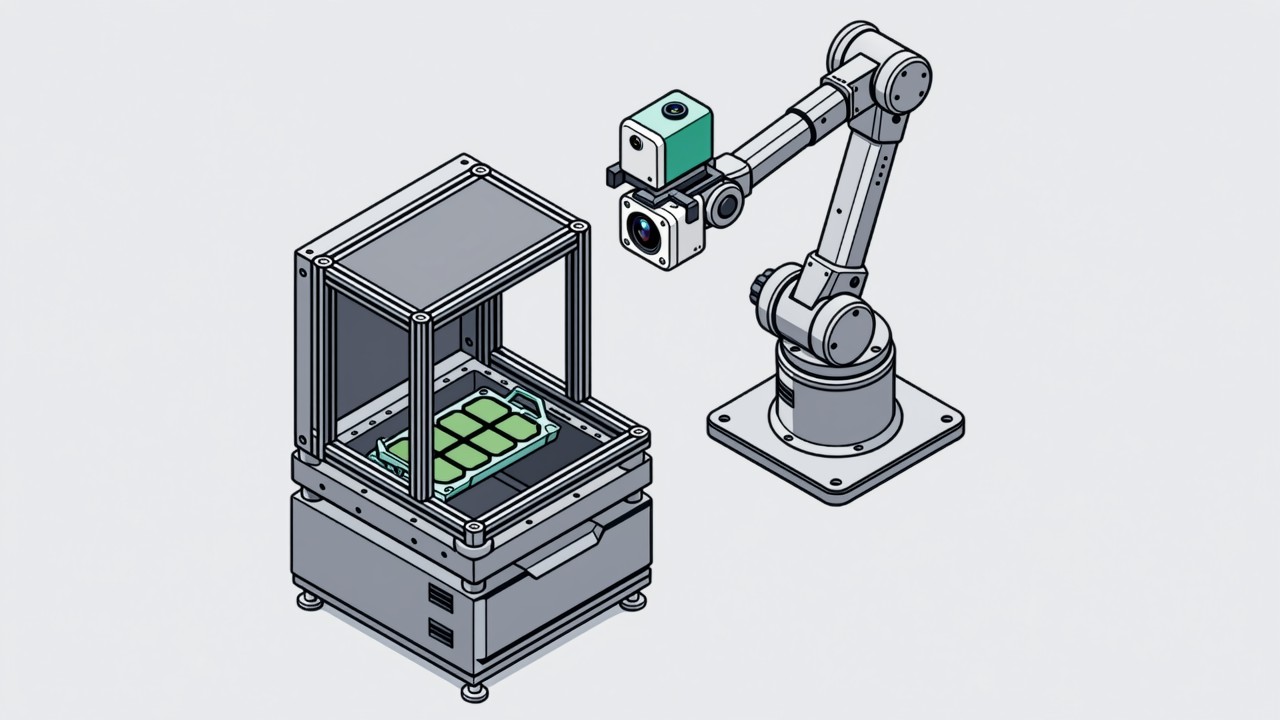
Key takeaways
- Wafer handling: monitors the pick-and-place action, orientation and lot consistency to prevent mixed lots and reversed wafers.
- Die attach: verifies that dispensing, die pick, placement and cure confirmation run in the required order.
- Wire bonding and dispensing: checks that parameter-setting and first-article confirmation actions were completed.
- Cleanroom friendly: fanless, low-particle camera and edge box options are available for cleanroom environments.
- Lot-level traceability: every process record is linked to the wafer lot or part number for failure analysis.
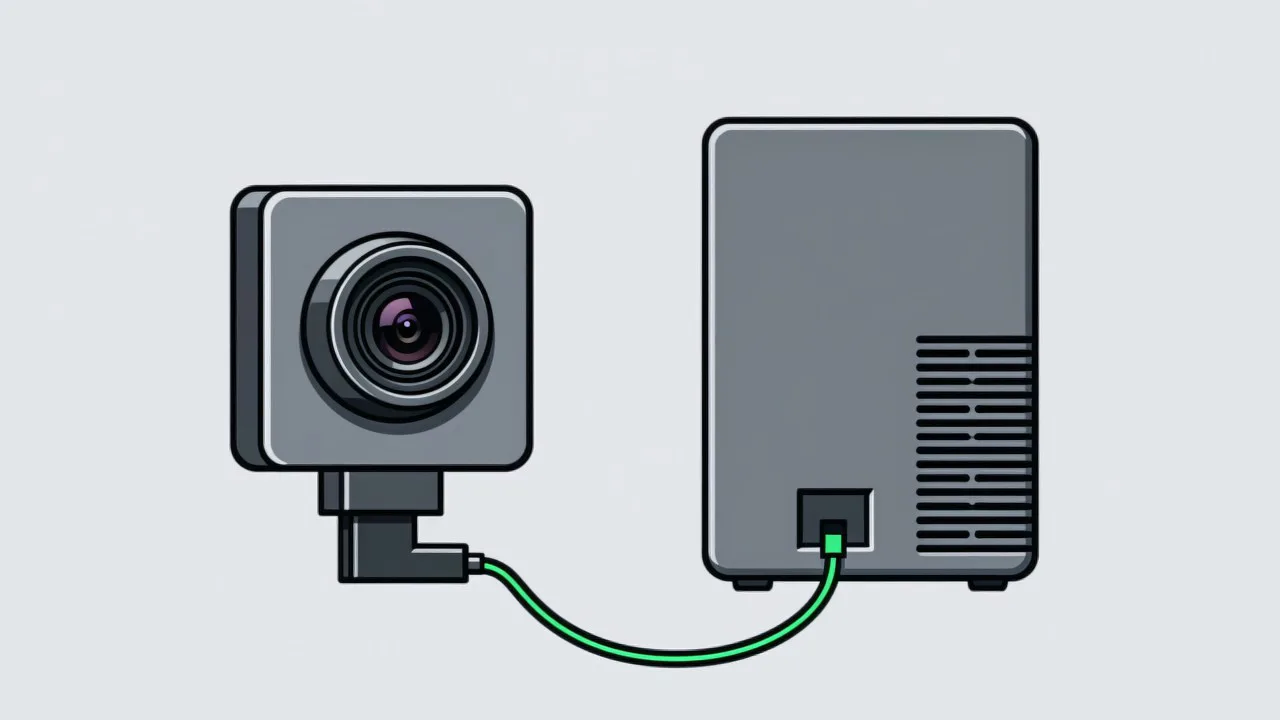
What makes semiconductor packaging different is a long process chain, fast station cycle times and high unit value. A single lot may pass through wafer thinning, dicing, die attach, wire bonding, molding, trim and form, and electrical test. If any one of those is skipped or run out of order, the loss is not one workpiece - it is an entire lot.
The management challenge on a packaging floor is that work instructions are numerous, the motions are subtle and cleanroom headcount is constrained, so a supervisor walking the line cannot cover everything. The value of the Visual AI SOP System is that it turns 'were these steps completed in order' into a signal that can be judged in real time. The method behind that signal is set out in our article on missing process prevention, and the same logic applies on 3C electronics assembly lines.
Typical Workstations and What Is Monitored
| Workstation | SOP points monitored | Typical exceptions |
|---|---|---|
| Wafer pick and place | Pick and place action, carrier ID confirmation, orientation | Reversed wafer, mixed lots, material drawn from the wrong lot |
| Die attach | Dispensing action, die orientation, placement seating, cure confirmation | Missed dispense, placement offset, cure confirmation skipped |
| Wire bonding | Parameter confirmation action, first-article confirmation, loop inspection | No first-article check, parameter check skipped |
| Dispensing / underfill | Adhesive volume confirmation, dispense path, dwell time confirmation | Missed dispense, insufficient dwell time |
| Molding / trim and form | Mould cleaning confirmation, load and unload actions, visual pre-check | Cleaning step omitted, load and unload out of sequence |
| Appearance inspection | Inspection step completeness, verdict gesture, logging action | Items skipped, inspection records filled in after the fact |
Cleanroom and Equipment Integration Checklist
- Choose fanless, low-vibration, low-particle camera and edge units so the system does not become a contamination source.
- Mount cameras clear of robot motion envelopes and carrier paths while keeping both the operator's action and the workpiece inside the field of view.
- Agree the signal handshake with the equipment PLC or host controller at the design stage, so exceptions such as 'the machine moved but the part did not seat' can be captured.
- Calibrate decision thresholds per workstation, and validate lighting in advance for mirror-finish, reflective or transparent materials.
- Align record write-back with the MES lot structure so records do not end up stored but unattached to a lot.
Where Visual SOP Does Not Apply in a Packaging Cleanroom
Being clear about the boundary saves wasted effort. Visual SOP judges whether an operation happened and in what order; it is not a metrology or an electrical test tool. Die placement accuracy, wire loop height and bond strength belong to the equipment's own alignment and to final electrical test, and they stay there. The split between process compliance and product inspection is set out in AOI vs Visual SOP, and the die-attach station specifically is covered in die bonding monitoring.
- Inside the mould or cure chamber nothing is visible, so only the load, close and unload actions at the door can be judged.
- A station where the wafer or leadframe stays covered by tooling or by the operator's hands for the whole cycle is a poor candidate for a single camera.
- It cannot confirm electrical parameters, hermeticity or bond strength; those remain with final test and reliability test.
- It presumes you can supply the step-level SOP, the lot or carrier ID structure, and a handshake signal from the equipment.
Semiconductor packaging questions we hear most
Can vision equipment be installed in a cleanroom?
Yes. Units can be specified fanless and low-particle, installed so they do not disturb laminar flow, with cable runs sealed. The exact approach depends on your cleanroom class and facilities requirements.
Wafers and mirror-finish materials are highly reflective - can it still see them?
Lighting is the key in these scenarios. Coaxial light, shadowless ring light or polarised setups are usually needed to handle reflection and glare. We run an imaging trial first and then fix the approach.
Can it also judge precision issues such as die attach placement offset?
Visual AI SOP is concerned with whether the operation followed the SOP - for example, whether the dispensing and placement actions were performed. Placement accuracy belongs to the equipment's own precision, so it can be monitored as an aid but does not replace the machine's alignment system.
Assess your semiconductor packaging workstation
Tell us your workstation layout, cycle time and the process that causes the most trouble today, and we will recommend camera options and a pilot workstation.
Other industry solutions
-
Textile
Textile and apparel work splits into very fine operations and changes …
Read more → -
Food Processing
Food process management has two hard constraints: food safety audits d…
Read more → -
Small Appliances
A significant share of small-appliance field failures are not failed c…
Read more → -
3C Electronics
3C assembly is characterised by many small parts, many screws, tight t…
Read more → -
Auto Parts
The typical auto parts plant runs high variety, low volume and fast ch…
Read more → -

Automotive Assembly
Final assembly is where carmakers have the densest concentration of op…
Read more →
Related products & capabilities
-

MES Integration
Run standalone, a visual SOP system only solves on-the-spot blocking. …
Read more → -
Error Prevention
The point of poka-yoke is to make an error impossible, or to catch it …
Read more → -
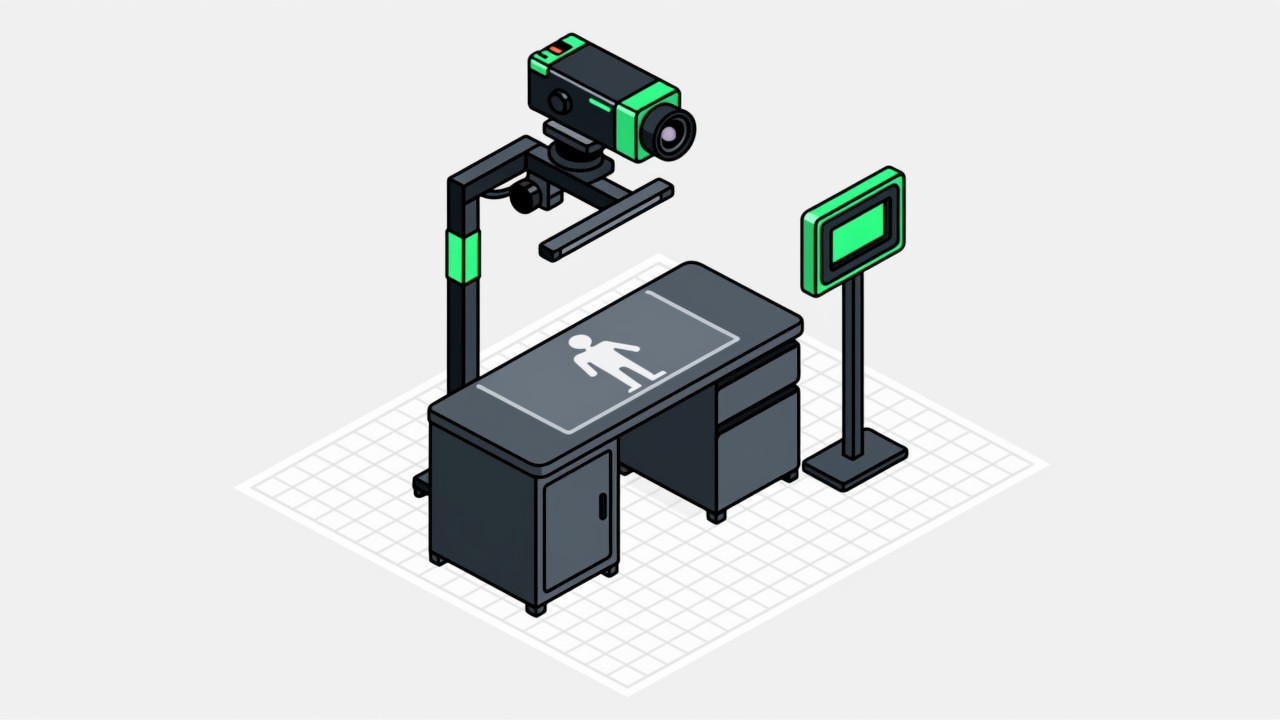
Workstation Monitoring
The workstation is the smallest unit of SOP execution. We turn the vid…
Read more → -
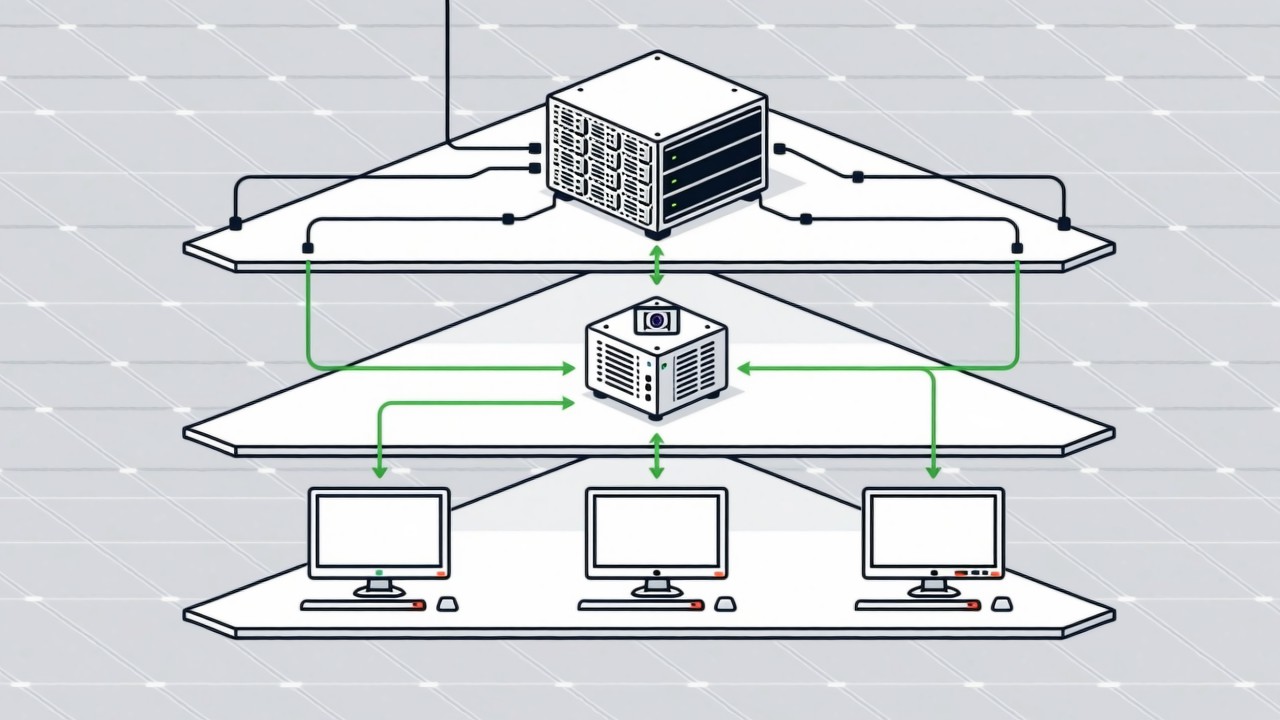
Visual AI SOP System
The Intsoft Visual AI SOP System is built in four layers: workstation …
Read more →
Does your industry face similar process problems?
Tell us your workstation scenario and process pain points, and we will tailor a solution based on cases already delivered in your industry.
Request a free trial plan