
Visual AI SOP System: Making Workstation Standards Stick
A visual AI SOP system turns the SOP steps at each workstation into rules a machine can judge. Industrial cameras recognise what the operator does in real time, so a missing part, a skipped step, a wrong sequence or a non-standard movement raises an alarm the moment it happens, while every operation is written back to MES as traceable quality data. The line keeps running and the PLC is left untouched.

- 7Industries deployed
- SecondsAlarm latency
- Step levelTraceability granularity
- No line stopDeployment method
Key takeaways
- Watch the workstation, not the monthly report: missing steps, skipped steps and wrong assembly sequence trigger an alarm in seconds.
- Deploy without rebuilding the line: standard industrial cameras plus an edge computing box mount on existing workstations, and are usually live within days.
- Connected to MES: every recognised action is written back with time, station and product serial number, so a defect traces to a specific step and operator.
- Reusable scenario libraries across seven industries: semiconductor packaging, automotive final assembly, automotive parts, 3C electronics, small appliances, food and textiles.
- False alarms stay controllable: confidence thresholds and decision logic are calibrated per station, so alarm fatigue does not push the shop floor to switch the system off.
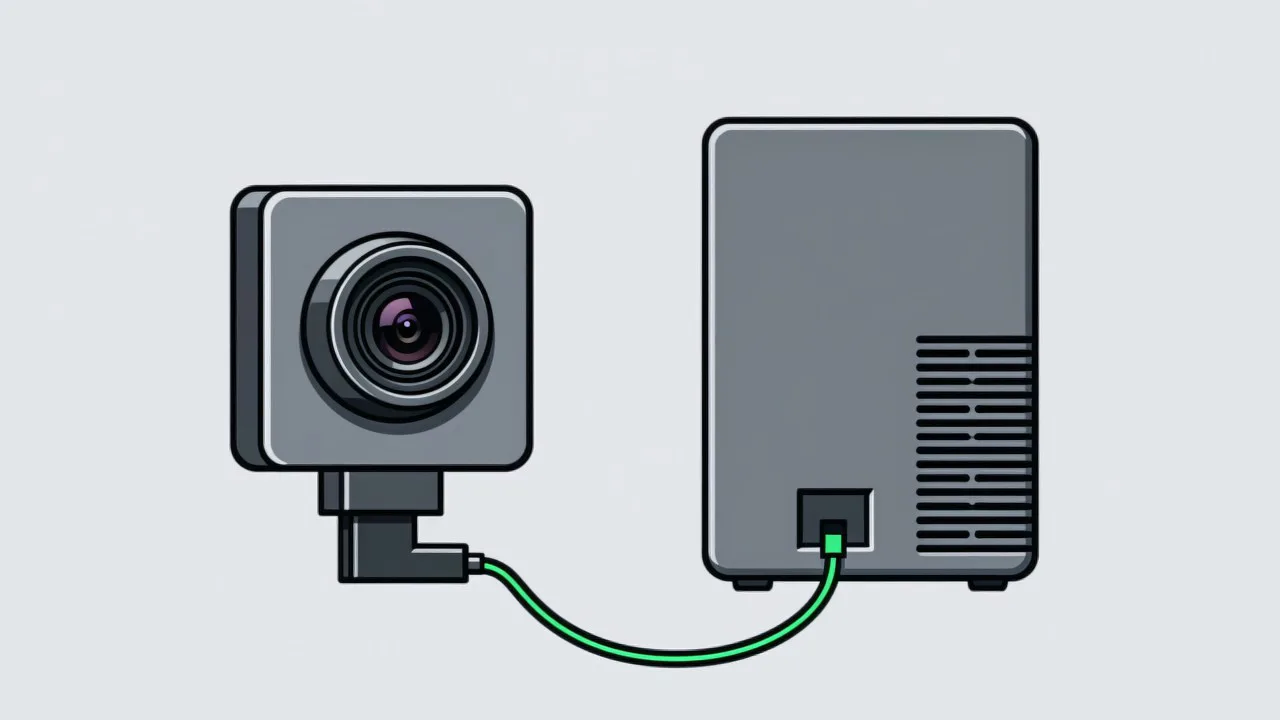
Manufacturing has never lacked SOP documents — it lacks execution. Work instructions are posted at the station, training has been delivered, assessments have been run, yet a missing screw, a skipped inspection or an assembly sequence carried out in the wrong order still surfaces at a customer audit or in the aftermarket. The root cause is straightforward: SOP execution is never observed while it is happening, so problems can only be traced backwards from the outcome.
The idea behind a visual AI SOP system is to hand that observation job to a machine. An industrial camera is installed at each workstation, and edge-side algorithms recognise operator actions, material pick-and-place and assembly state in real time, comparing them item by item against the preset SOP sequence. A skip, an omission or a wrong order raises an alarm and a record at the station or on the dashboard straight away. Unlike a manual patrol, it does not tire, does not lose focus and is not affected by shift changes. Results can also be passed to MES integration, and the scenario libraries we have already built for semiconductor packaging and other industries carry over to comparable stations.
HOW IT WORKS
From camera to traceable record, in five steps
One closed loop: the camera sees the operation, the edge box judges it against the SOP, and the result is written back.
-
01
Industrial camera captures
Cameras are mounted at existing workstations and stream the operation continuously. No PLC rewrite, no line stop.
-
02
Edge AI recognises the action
An edge box runs the recognition model on site, so video never has to leave the factory floor.
-
03
Compared against the SOP
Each recognised action is checked against the step, sequence and parameter defined for that station.
-
04
Deviations alarm in seconds
A missing step, a skipped process or a wrong sequence triggers an on-station alarm immediately — not in a monthly report.
-
05
Written back for traceability
Time, station, product serial and result are written back so quality teams can trace a defect to the exact step.
What the station board records, operation by operation
The system writes back one line per recognised operation, tied to the product serial number — so a defect can be traced back to a single step and a single moment.
| Station | Product serial | Operation | Verdict | Time |
|---|---|---|---|---|
| OP-01 | SN-2026-0471 | Screw fastening | Pass | 10:24:07 |
| OP-02 | SN-2026-0472 | Seal ring press-fit | Pass | 10:24:11 |
| OP-03 | SN-2026-0473 | Harness seating | Step skipped | 10:24:15 |
| OP-04 | SN-2026-0474 | Function test | Pass | 10:24:19 |
| OP-05 | SN-2026-0475 | Visual inspection | Pass | 10:24:23 |
Illustration of the interface, not a screenshot of a customer system. Values shown are examples.
Manual inspection versus visual AI SOP
| Dimension | Manual inspection | Intsoft visual AI SOP system |
|---|---|---|
| Coverage | Sampling only; cannot cover every station or every hour | Every deployed station, every shift, every unit |
| When problems surface | Found later in spot checks or at a customer audit | The moment the step happens, with an alarm in seconds |
| Consistency of judgement | Depends on inspector experience; the standard drifts | Algorithm applies a fixed standard, unaffected by people or shift |
| Traceable records | Handwritten forms or paper logs, hard to link to a product | Automatic time, station and serial number records, writeable to MES |
| Handling expansion | New lines need new inspection headcount | Scenario libraries are reused; new lines adapt quickly |
| Ongoing cost | Scales with the number of shifts | Mostly a one-time investment, with low marginal cost |
What the system is made of
A complete visual AI SOP system has four layers: sensing at the workstation (industrial camera and lighting), edge recognition (action and state judgement), logic comparison (checking against the standard process sequence), and result output (alarms and traceability data). Those four layers are the chain described below.
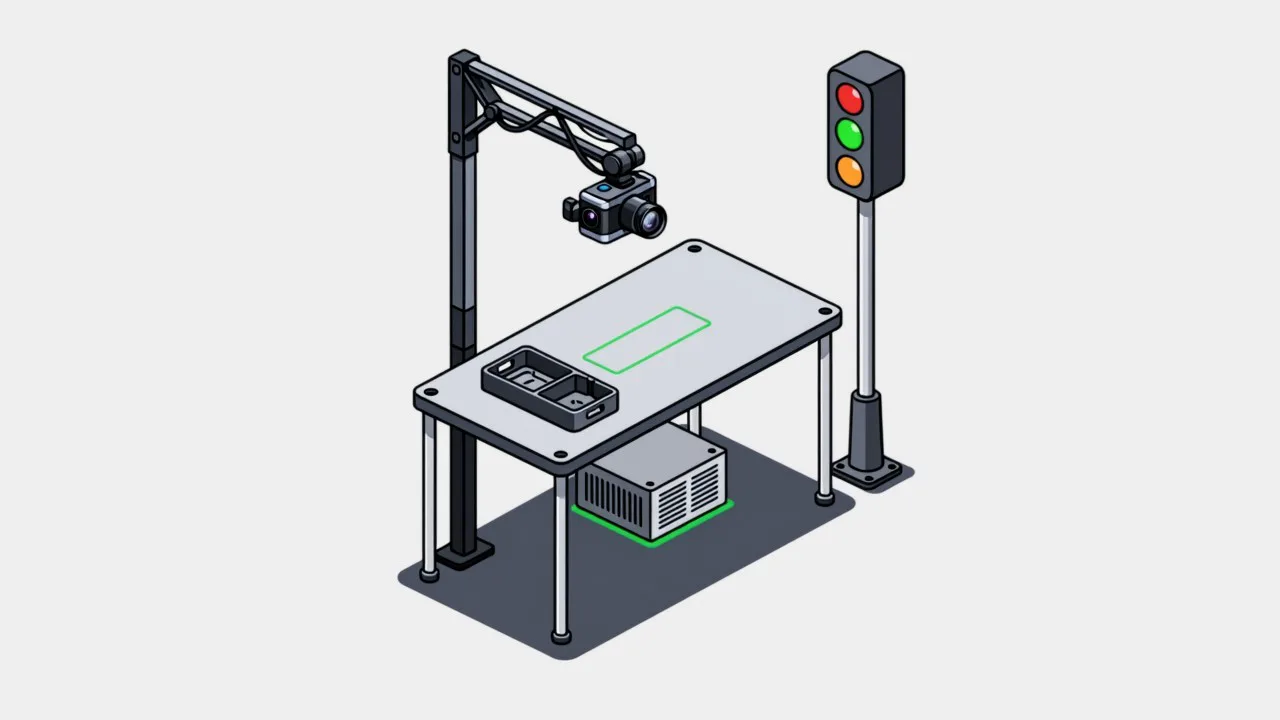
Four stages from workstation to traceability
- Workstation sensing: camera and lighting
Industrial cameras (area scan or global shutter) and a lighting scheme are chosen to match the space and takt of the station, keeping actions and materials inside a recognisable field of view without getting in the way of the operator.
- Edge recognition: action and state judgement
An edge computing box runs the recognition model, deciding whether pick, assemble, fasten and inspect actions occurred, and whether the material is in place and correctly oriented.
- Logic comparison: checking against the SOP sequence
The system maps recognition results onto the standard process sequence for that product and confirms that no step was skipped, no order reversed and no part left out.
- Output: alarms and traceability data
Anomalies are flagged at the station and escalated; normal execution records, together with product serial number and timestamp, are written to a database and can feed MES or QMS systems for quality traceability.
- Visual AI SOP System
- A system that uses industrial machine vision and AI algorithms to recognise workstation actions on a production line in real time and verify them item by item against the standard operating procedure, for process error-proofing, missing-step alarms and traceable work compliance. Also known as: AI vision SOP monitoring, machine vision SOP error-proofing system, visual SOP smart poka-yoke system
Typical change after deployment
- SecondsAlarm responsePaced by the takt of the line; anomalies are flagged at the station immediately
- 7Industries deployedSemiconductor, automotive, 3C, small appliances, food, textiles
- Step levelTraceability granularityRecorded down to each individual process step and its time of execution
How to get started
Most customers begin with a pilot on one line and one high-value workstation: pick the station with the densest cluster of missing-step or wrong-assembly complaints, complete deployment and data validation within two weeks, then replicate to the other stations on the same line once the pilot passes. To find out which station on your line is the best place to start, contact us for a free feasibility assessment, or check whether an industry solution already matches your process. Our pilot planning guide sets out what to measure and how to judge the results.
Frequent questions about visual AI SOP
Does a visual AI SOP system need the line stopped for installation?
No. Cameras and the edge box are mounted above or beside existing workstations, and installation and calibration are carried out during planned downtime, changeover gaps or night shifts. The normal production pace is unaffected.
Our line changes over often. Does a new SOP mean redevelopment?
No redevelopment is required. Process sequences, decision rules and confidence thresholds are all configured in the back end, so a changeover simply loads the configuration for the new product; common changeovers can be switched in minutes.
How high is the false alarm rate, and will it disturb operators?
False alarms mostly come from lighting changes, occlusion and non-standard postures. Thresholds are calibrated separately for each station, and the system supports a confirm-across-N-consecutive-frames rule before alarming. Known non-standard actions can be added to a whitelist so alarm fatigue does not set in.
Can it connect to the MES or QMS we already run?
Yes. The system offers three integration routes — direct database writes, an HTTP API and a message queue — and writes process execution results linked to product serial numbers. The route that fits depends on how open your existing systems are.
How is this different from conventional vision inspection (AOI)?
AOI judges whether the product passes or fails; a visual AI SOP system judges whether the person followed the SOP. The first is about result quality, the second about process compliance. They complement each other, and many customers run both.
Visual AI SOP solutions, deployed by industry
We have deployed process error prevention and SOP compliance inspection in semiconductor, automotive, 3C electronics, small appliance, food and textile plants — scenarios you can reuse directly.
-
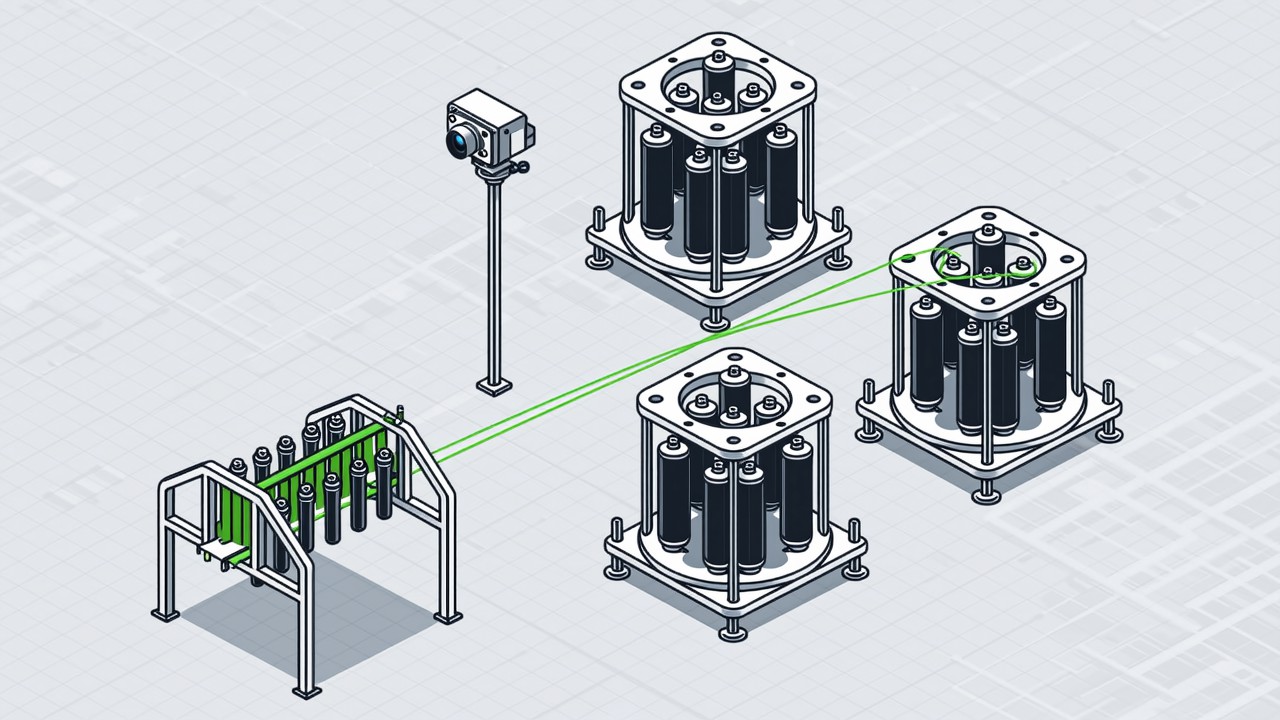
Textile
Textile and apparel work splits into very fine operations and changes …
Read more → -
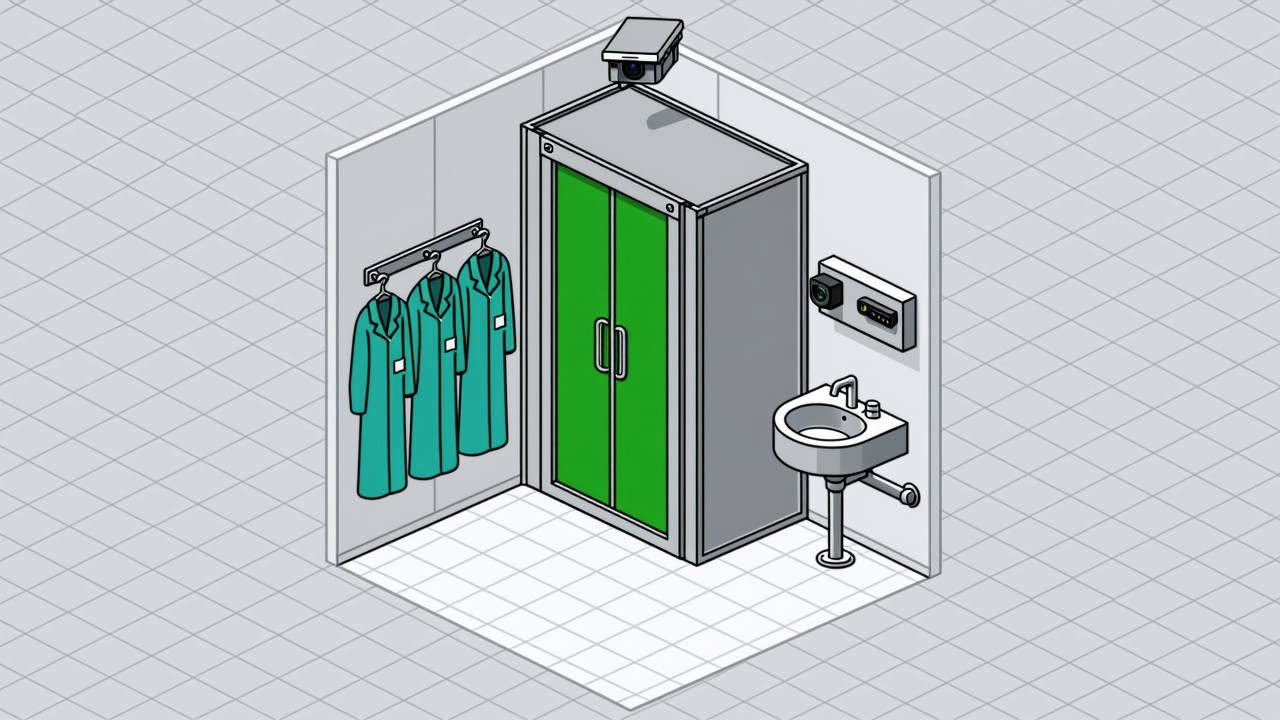
Food Processing
Food process management has two hard constraints: food safety audits d…
Read more → -
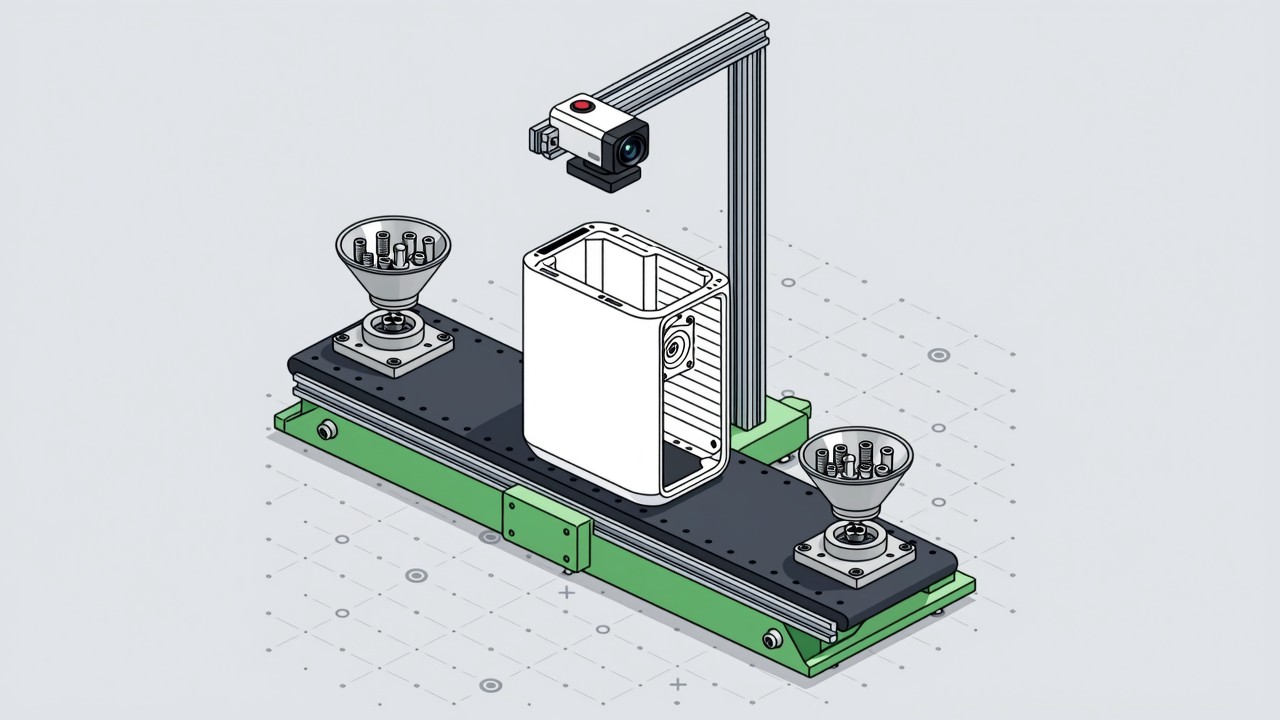
Small Appliances
A significant share of small-appliance field failures are not failed c…
Read more → -
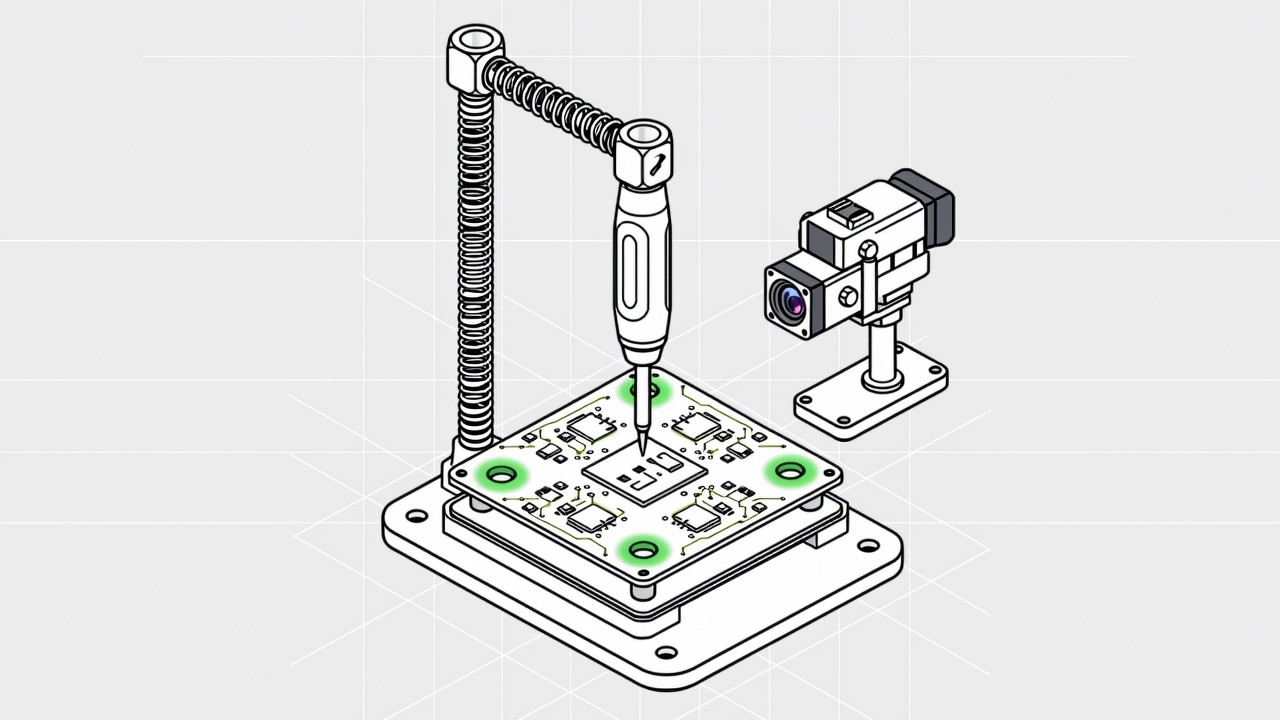
3C Electronics
3C assembly is characterised by many small parts, many screws, tight t…
Read more → -
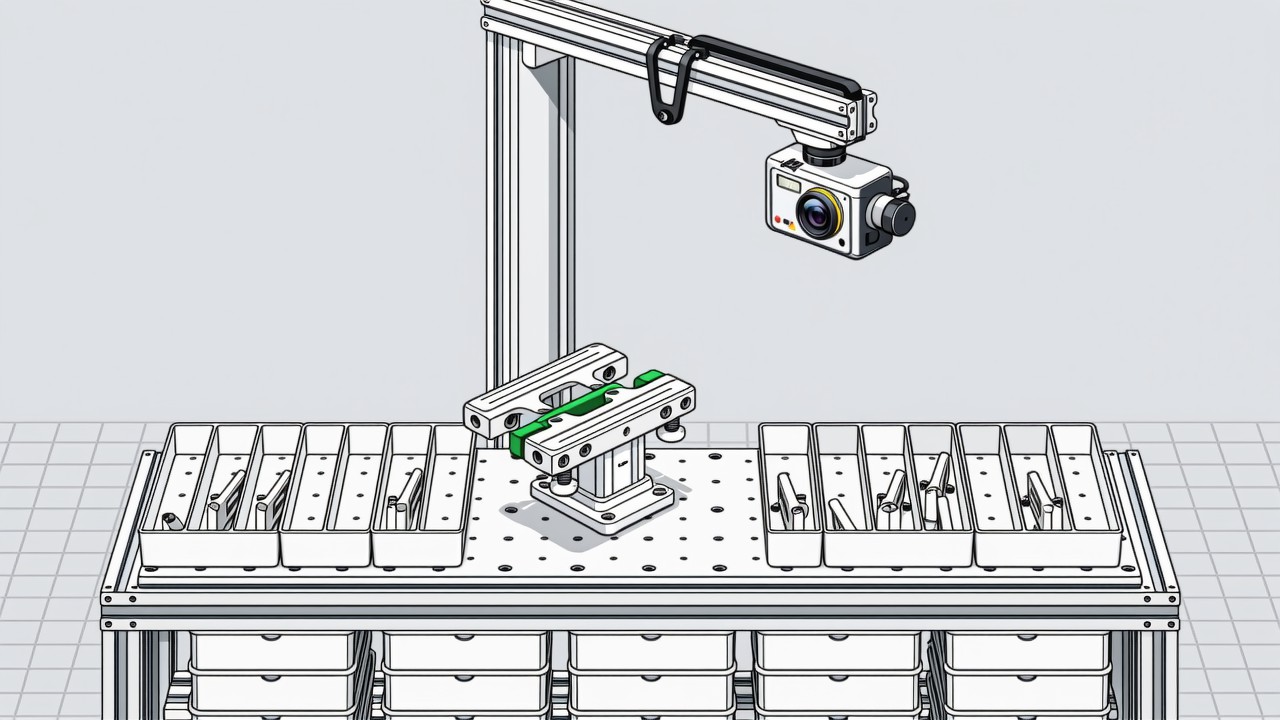
Auto Parts
The typical auto parts plant runs high variety, low volume and fast ch…
Read more → -
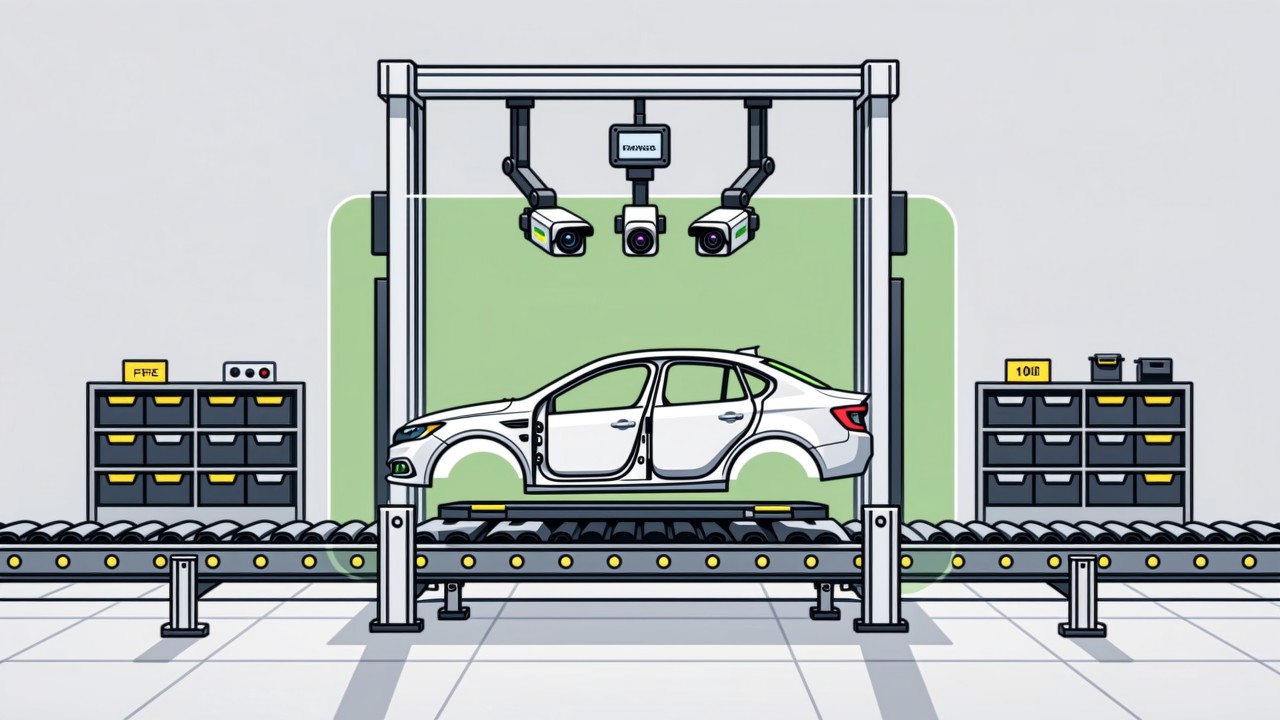
Automotive Assembly
Final assembly is where carmakers have the densest concentration of op…
Read more →
Products & core capabilities
From workstation action recognition to missing-process alarms, from MES integration to quality traceability — the full chain of SOP execution monitoring.
-
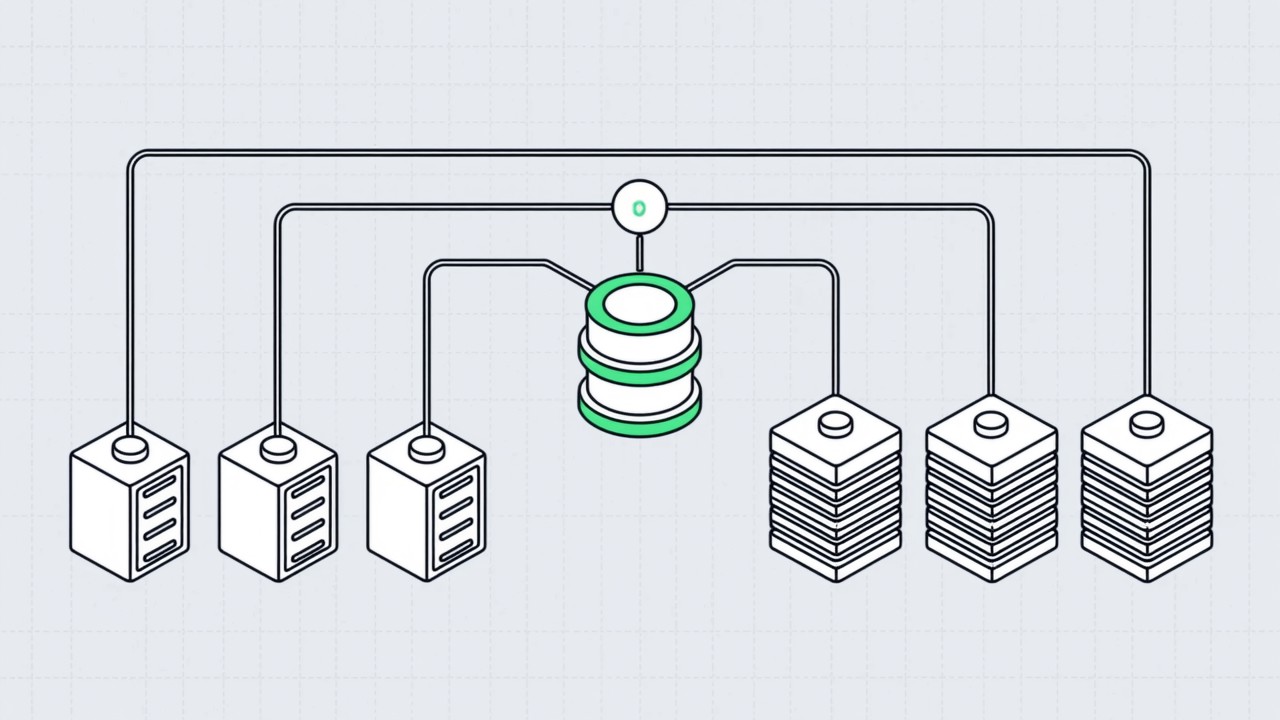
MES Integration
Run standalone, a visual SOP system only solves on-the-spot blocking. …
Read more → -
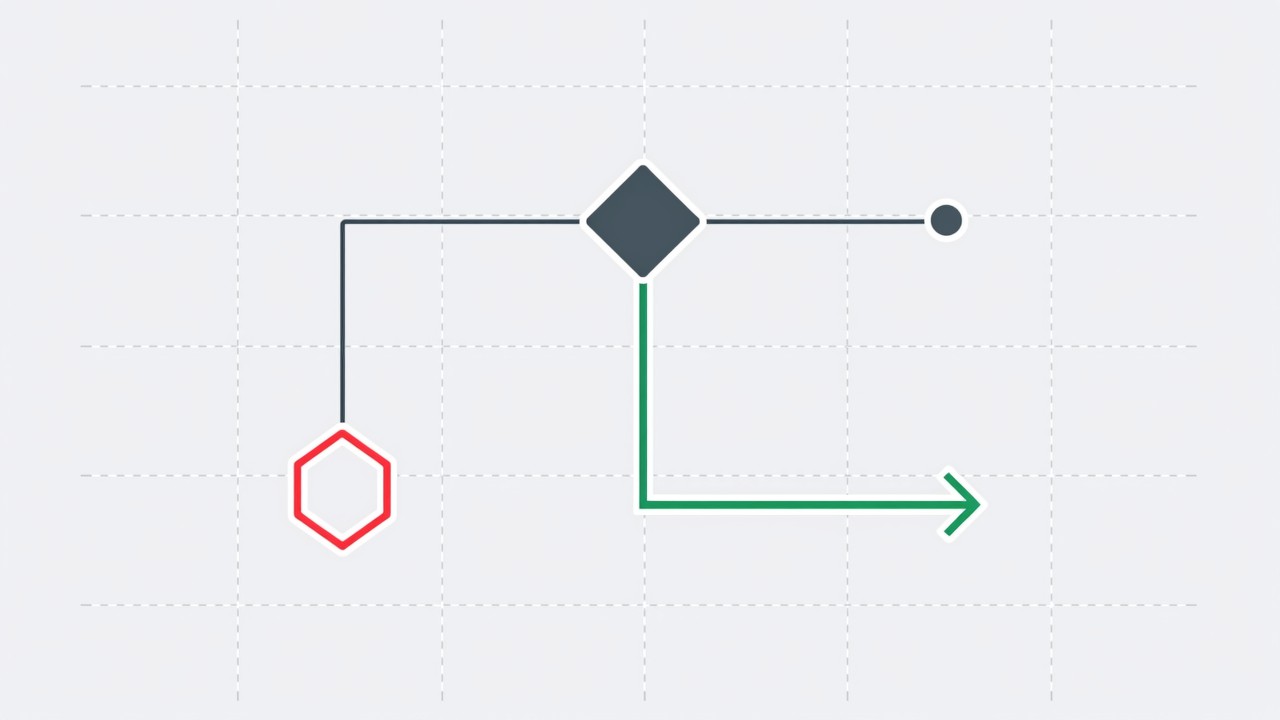
Error Prevention
The point of poka-yoke is to make an error impossible, or to catch it …
Read more → -
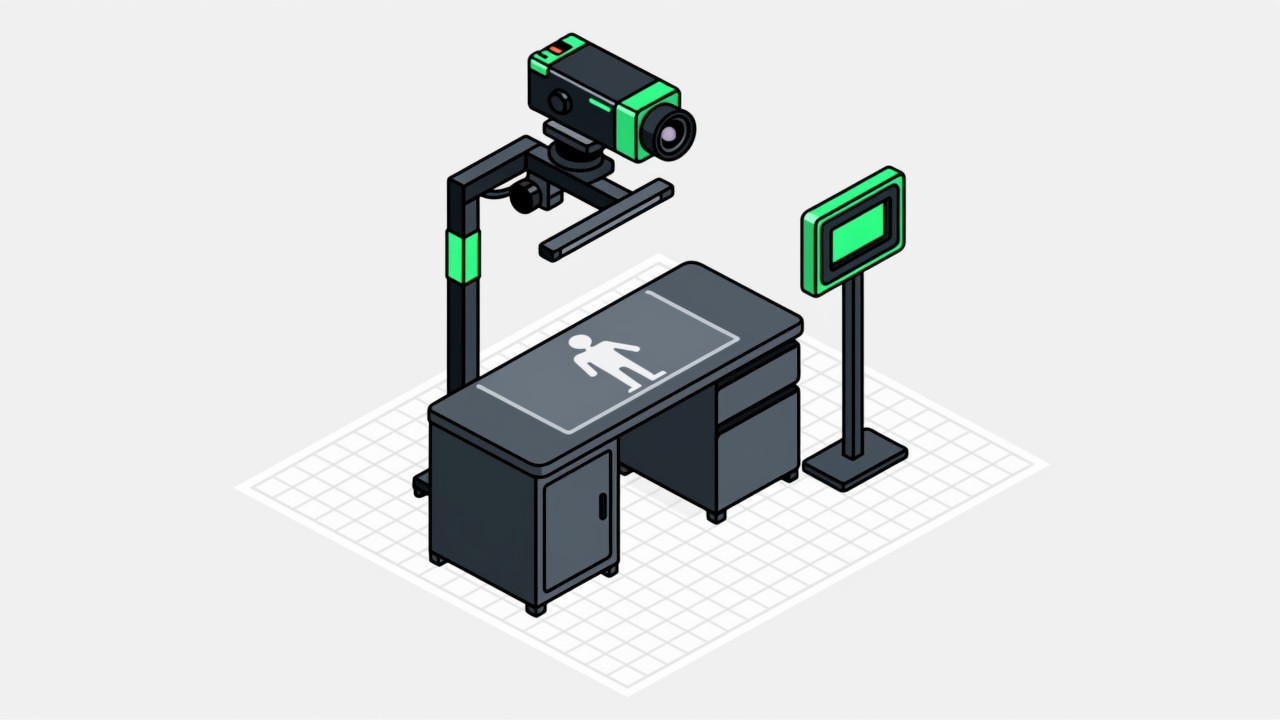
Workstation Monitoring
The workstation is the smallest unit of SOP execution. We turn the vid…
Read more → -
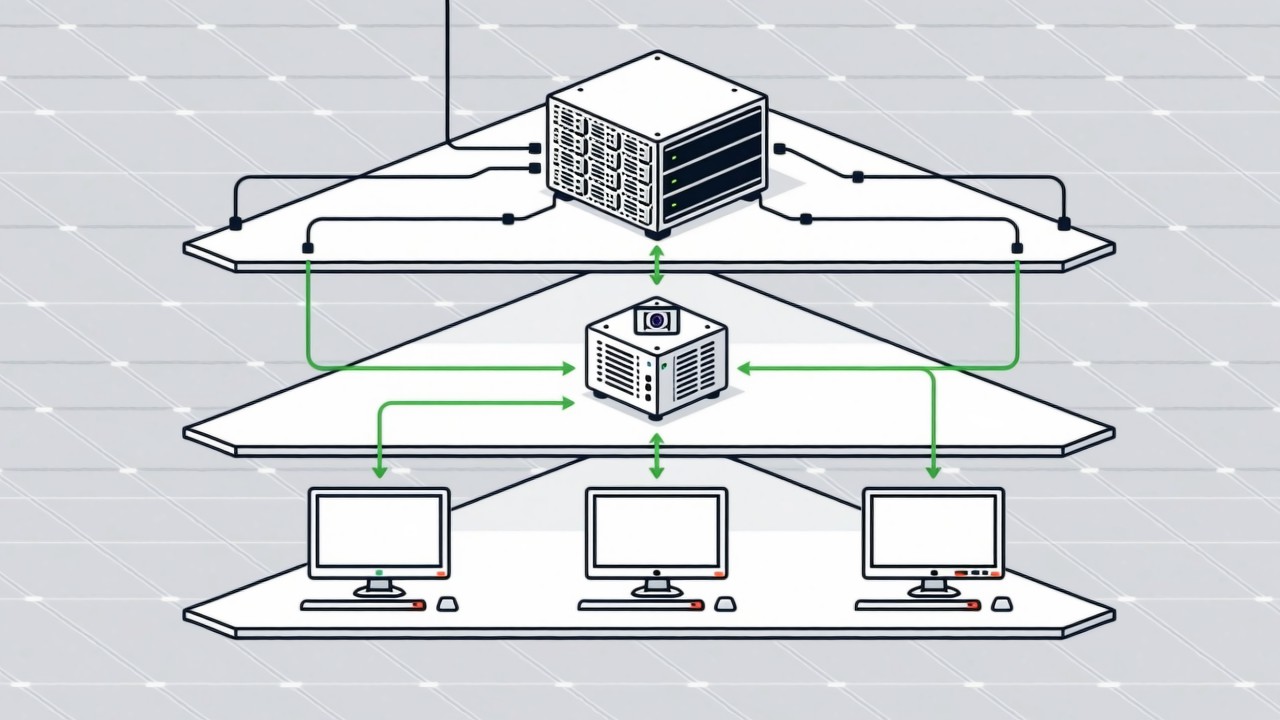
Visual AI SOP System
The Intsoft Visual AI SOP System is built in four layers: workstation …
Read more →
Why Intsoft
-
It watches the workstation, not the dashboard
Cameras watch the actual SOP steps at each station. A missing screw, a skipped step or a wrong sequence triggers an alarm in seconds — not in a monthly report.
-
Deployed without changing your line
No PLC rewrite, no line stop. Standard industrial cameras and edge boxes are mounted at existing workstations and go live within days.
-
Traceable and ready for MES
Every recognised action is written back with time, station and product serial, so quality teams can trace a defect back to the exact step.
-
False alarms kept under control
Per-station thresholds, multi-frame confirmation and a whitelist for non-standard-but-valid actions. Alarm fatigue is the most common reason these systems get switched off — we design against it.
-
Reusable scenario libraries for seven industries
Semiconductor packaging, automotive assembly, auto parts, 3C electronics, small appliances, food and textile — each with pre-configured process rules.
-
Inference stays on site
Recognition and data storage run locally in the plant, with no dependency on the public internet and no production footage uploaded by default.
Industry insights & technical articles
SOP deployment methods, error-prevention practice and machine vision know-how, continuously updated.
-
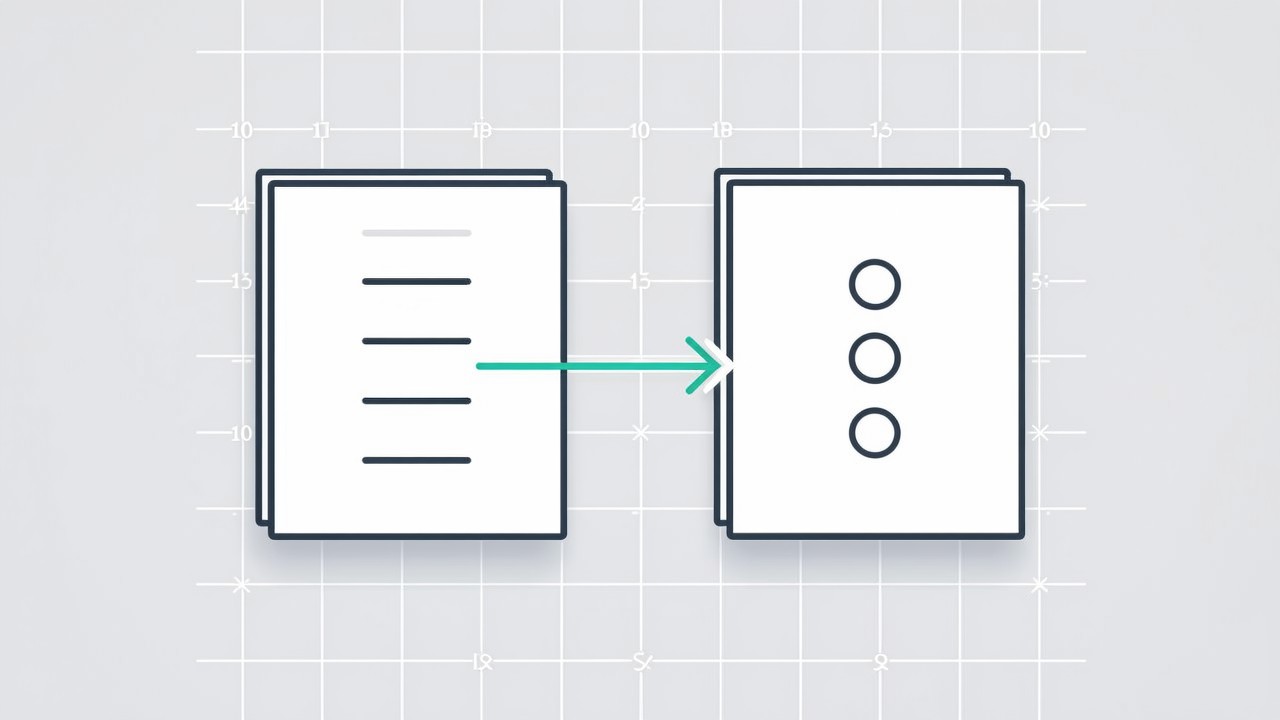
Evaluating a Vision Vendor
The differences between vision suppliers are hard to see in promotional material…
Read more → -
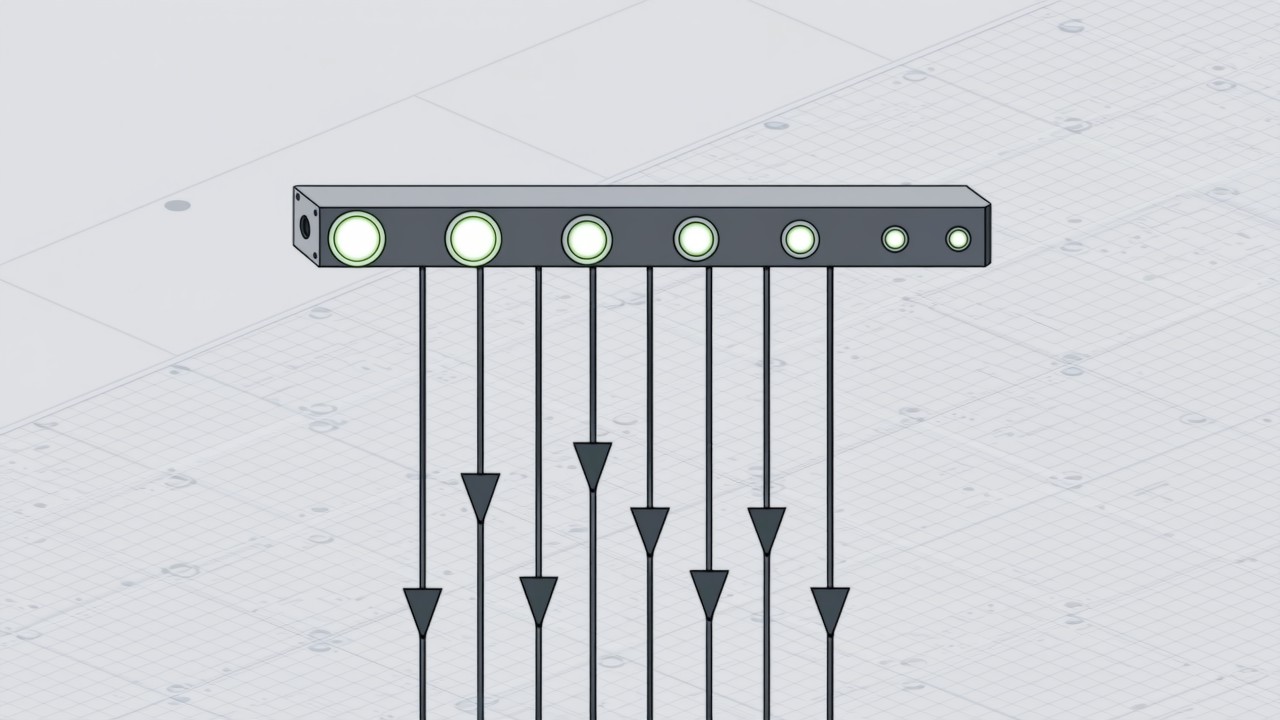
Lighting Aging and Degradation
Lighting receives a great deal of attention when the scheme is designed and very…
Read more → -

Vision Project Risk Register
Vision projects fail in repetitive ways. Setting them out as a register and work…
Read more →
What could a Visual AI SOP solve on your line?
Tell us your workstation scenario and process pain points, and we will provide a targeted feasibility assessment and pilot plan.
Request a free trial plan