
The Visual SOP Pilot: A Two-Week Validation Plan
The purpose of a pilot is not to demonstrate a product, it is to answer — with the customer’s own data — whether the approach is worth rolling out. That is why the validation metrics have to be agreed before the pilot starts. Otherwise the data comes back and nobody can agree on what it means.
Key takeaways
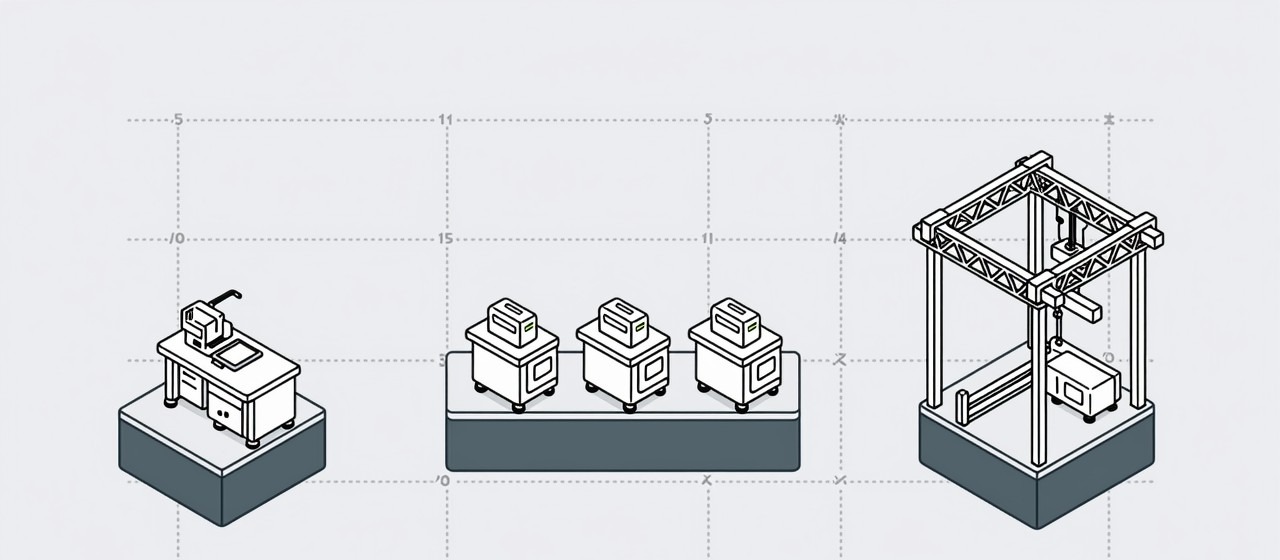
- Pick the pilot station where pain is concentrated, imaging is good and the impact is large — the intersection of all three.
- Validation metrics must be agreed in writing before the pilot, or the conclusion cannot be aligned afterwards.
- False-alarm and miss rates have to be worked out from real floor data, not reported as algorithm metrics alone.
- Write two versions of the report: one for the floor and one for management.
The usual way a pilot goes wrong is this: the system is installed, runs for two weeks, and then a pile of algorithm metrics is presented that the customer has no way to judge. The problem is that the validation standard was never agreed before the pilot started. Here is a plan you can follow directly; the visual AI SOP system it is validating starts at the architecture level.
Step one: pick the right pilot station
| Dimension | Prefer | Avoid |
|---|---|---|
| Concentration of pain | The station behind the most complaints and repairs | Stations with no exception history |
| Imaging conditions | Controllable lighting, open field of view, no occlusion | Heavy reflection, heavy dust, frequent occlusion |
| Impact | An exception causes a functional failure or safety risk | Exceptions can be reworked on the line with no real loss |
| Floor cooperation | A team leader willing to take part, operators not opposed | Stations where the floor is clearly resistant |
Step two: write the validation metrics down
- Miss rate — the share of real process exceptions the system failed to identify. This is the core value metric.
- False-alarm rate — the share of normal work judged abnormal. This is the metric that decides whether the floor accepts it.
- Judgement latency — the time from the action occurring to the system producing a result, which must be shorter than the cycle time.
- Coverage completeness — the share of operations that need monitoring that are actually being monitored effectively.
- Data usability — whether records successfully resolve to a product serial number and land in the target system.
Step three: the two-week rhythm
Day by day
- Days 1–2: install and calibrate
Use a changeover window or planned downtime to install, adjust the optics and do initial calibration, without interrupting production.
- Days 3–7: collect data in monitor mode
Record without alarming, gather real data, look at how false alarms distribute and adjust the rules.
- Days 8–12: validate in prompt mode
Switch on station-side prompts while someone follows the line recording ground truth, and work out the miss and false-alarm rates.
- Days 13–14: review and report
Assemble the data, produce the validation report, and confirm with the floor whether the conditions for wider rollout have been met.
Step four: who the report is for
Prepare two versions. The version for the floor — team leaders and quality — focuses on whether the false-alarm level is acceptable, whether the alarms are useful, and which detection rules need adjusting. The version for management focuses on whether the problem is being caught effectively, what the return is, and the plan and cost of extending to the whole line. The two have completely different concerns, and merging them tends to satisfy neither. It helps to have agreed the metrics with the site assessment beforehand.
What the pilot is really testing
A pilot is often described as a technical trial, and the technical part is usually the easiest to pass. The harder questions it should answer are organisational: does the team leader trust the output enough to act on it, does the results report reach someone who can change the process, and does the station keep running when the novelty wears off. A pilot that produces excellent numbers and leaves the floor indifferent has failed, because the rollout decision then rests on a slide rather than on experience. The pattern in which a pilot succeeds and the rollout still fails is common enough to have its own name — see why a successful pilot can still lead to a failed rollout.
Common questions about pilots
Does a pilot have to be two weeks?
Two weeks is a reasonably tight plan that still covers shift-to-shift variation. Operations that are especially complex, or where exceptions are rare, may need four weeks to collect enough exception samples.
Will the pilot disrupt production?
Installation is done in planned downtime; after that the system runs alongside, without intervening in equipment control or affecting cycle time.
What if the pilot does not succeed?
Review why. If it is an imaging problem, lighting or mounting position can usually be changed and retried; if the operations themselves are unsuitable, we will say so plainly and suggest an alternative.
Want to arrange a station pilot?
Tell us about the station and the pain point, and we can design the validation plan together.
Related articles
-
Alarm Fatigue: Why the Floor Turns the System Off
Many visual SOP systems are not beaten by technical problems — they are muted by…
Read more → -
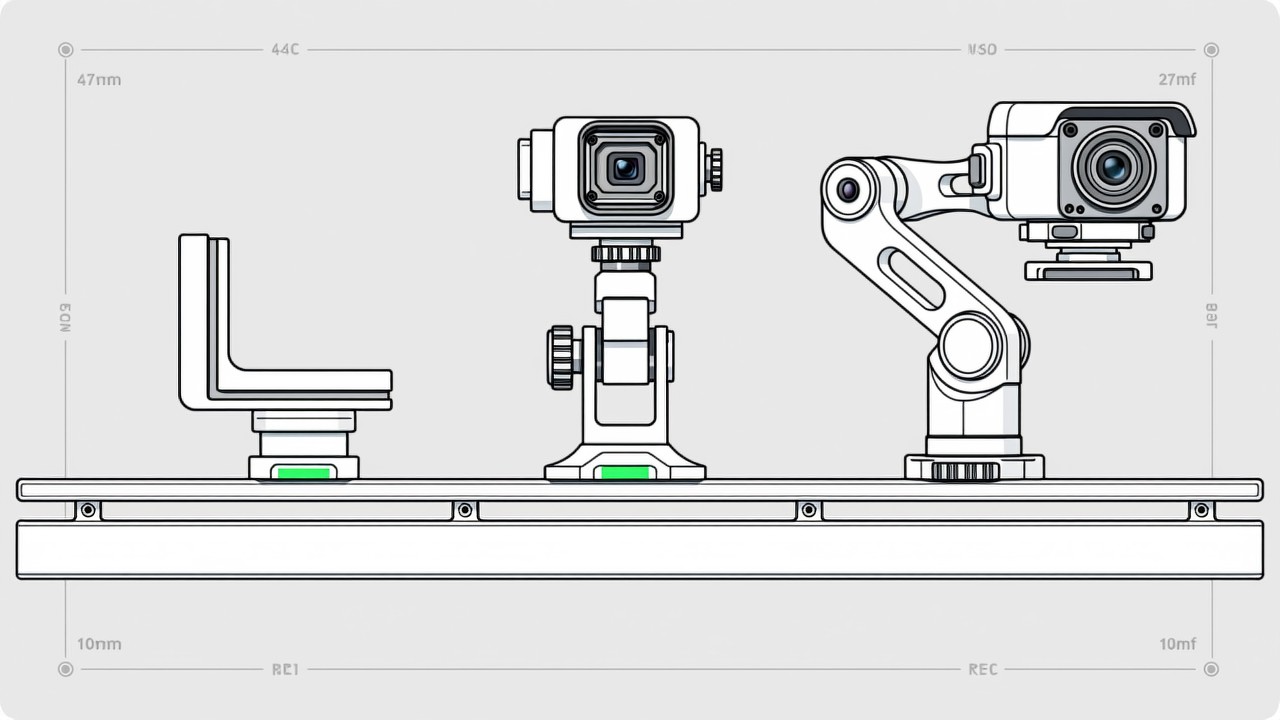
Visual SOP Camera Selection and Mounting
Camera selection for visual SOP is not the same as for product inspection. The s…
Read more → -
Vision Monitoring at the Semiconductor Die Bonder
Semiconductor packaging stations are characterised by high precision, fast cycle…
Read more → -
Wrong-Assembly Alarms Without the False Alarms
The most common reason a visual SOP project fails is not poor recognition — it i…
Read more →
Need specific advice for your production line?
Our engineers can share practical approaches to process error prevention and SOP compliance inspection for your scenario.
Request a free trial plan