
Visual AI SOP for Textile Workshops
Textile and apparel work splits into very fine operations and changes style frequently; a single garment may pass through a dozen or more sewing operations. Which operations were done, and in what order, has long depended on worker self-checks and supervisor spot checks. We deploy Visual AI SOP at sewing and cutting stations to verify against the style whether the required operations are complete, reducing whole-garment rework caused by skipped operations.
Key takeaways
- Sewing operation verification: checks completed operations against the style BOM and flags skipped steps.
- Cutting station monitoring: verifies fabric layer count confirmation, cut-part marking and numbering actions.
- Fast style changeover: loads that style's operation list by work order, with no new development required.
- Rework-cost driven: quantifies benefit as reworked units caused by skipped operations, which is easiest to defend to management.
- Imaging adaptable: tuned for fabric colour, texture and wrinkles rather than relying on one large unobstructed view.

The difficulty in textile and apparel is extremely fine process splitting plus frequent style changeovers. One style may have twenty sewing operations, operators are paid by the piece, and when pushing output the first thing to go is the operation that cannot be seen - an internal overlock, a fused interlining, a reinforcing stitch on a concealed seam. The garment looks fine afterwards and the omission only surfaces at final inspection or in a customer complaint.
Visual AI SOP turns 'which operation has this garment reached' into a record the system can retrieve. Each completed operation is logged automatically and a missed one is flagged immediately, with no reliance on the supervisor's experience or memory. Our article on data traceability explains how the records are structured, the Visual AI SOP System covers the platform, and food plants use the same approach for personnel compliance.
Monitoring Stations and Decision Targets
| Workstation | Monitored content | Exceptions prevented |
|---|---|---|
| Cutting | Fabric layer count confirmation, cut-part numbering, bundle tying | Inaccurate layer records, mixed cut-part numbers |
| Sewing | Completion action for each sewing operation, operation sequence | Skipped operation, missing operation, wrong order |
| Buttonhole / button attach | Operation execution, position confirmation action | Buttonhole missed, button position deviation undetected |
| Pressing | Pressing action, inspection action execution | Released without pressing |
| Final garment inspection | Inspection item completeness, verdict and marking actions | Inspection skipped, records filled in after the fact |
Imaging Notes for Fabric Scenarios
- Dark and light fabrics need very different lighting, so exposure has to be re-calibrated when a station changes style.
- Folds and stacking hide detail, so the decision targets should be 'the action happened' and 'relative part position' rather than stable surface texture.
- The needle area of a sewing machine moves fast, so a short enough shutter speed is needed to avoid motion blur - raise ambient light if necessary.
- Station space is usually tight, so prefer an all-in-one camera or a compact edge box.
- Dust and lint are heavy, so lenses need regular cleaning and a simple dust cover is worth fitting.
Where Visual SOP Is the Wrong Tool
Some textile problems look like SOP problems and are not. Stitch quality, seam strength and colour fastness are inspection and testing matters rather than process-compliance matters, and the two are separated in visual SOP vs eSOP.
- Operations that are fully enclosed once the seam is closed - internal fusing, or a reinforcing stitch buried inside a fold - cannot be judged after the fact.
- Very high piece-rate throughput with overlapping hands can drop coverage; the frame rate and viewpoint have to be chosen for the fastest operator, not the average one.
- It does not measure tension, shrinkage or fit; those stay with the laboratory and the fit session.
- Preconditions: the style BOM with its operation list, and a work-order signal so that the correct operation list loads at changeover.
Textile questions we hear most
Fabric styles and colours vary widely - will recognition stay stable?
The decision targets are actions and relative positions rather than the fabric's appearance, so stability across styles is good. A style change needs exposure and field-of-view parameters re-calibrated, and we provide a standard procedure for that as part of the changeover flow.
Lint is heavy in the workshop - is maintenance a burden?
Lenses need regular cleaning, so we recommend a dust cover and adding it to your existing equipment checklist. The camera body itself normally only needs attention once or twice a quarter.
Can it record the labour time for each operation?
Yes. The system logs the start and completion time of each operation and can produce operation-level time statistics for capacity analysis and as a reference for rate setting.
Assess your textile sewing workstation
Tell us your workstation layout, cycle time and the process that causes the most trouble today, and we will recommend camera options and a pilot workstation.
Other industry solutions
-
Food Processing
Food process management has two hard constraints: food safety audits d…
Read more → -
Small Appliances
A significant share of small-appliance field failures are not failed c…
Read more → -
3C Electronics
3C assembly is characterised by many small parts, many screws, tight t…
Read more → -
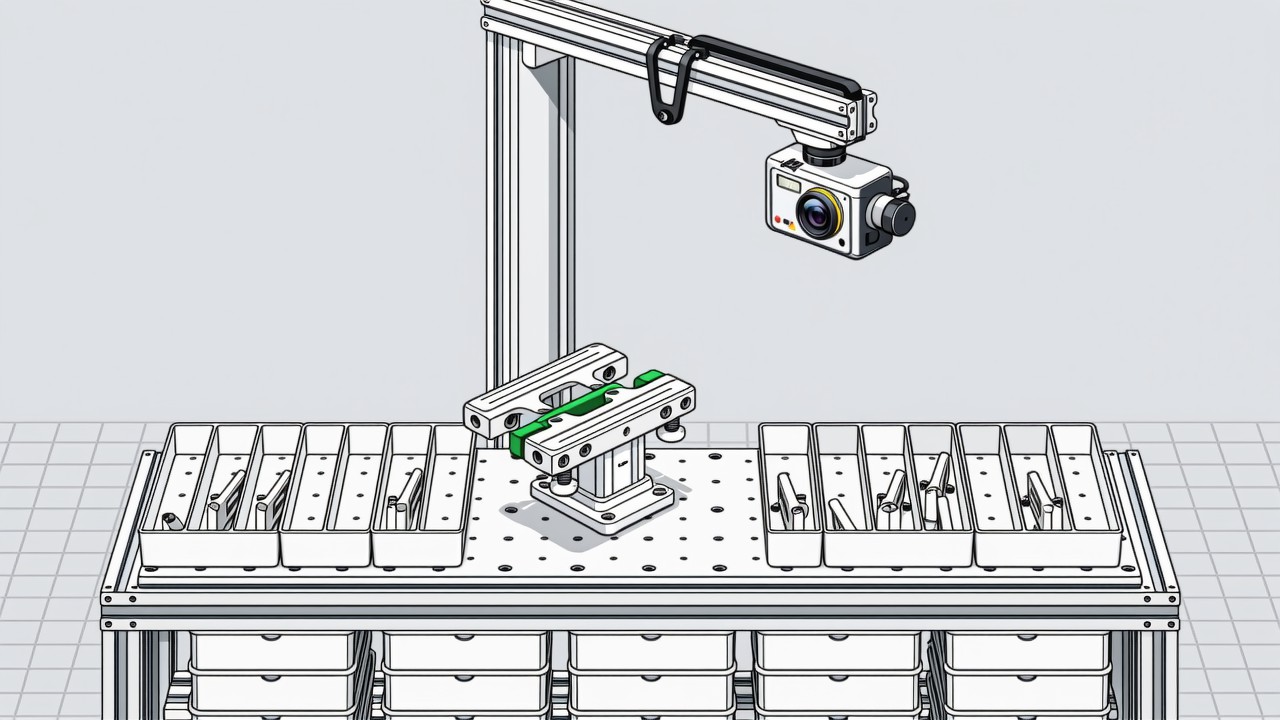
Auto Parts
The typical auto parts plant runs high variety, low volume and fast ch…
Read more → -

Automotive Assembly
Final assembly is where carmakers have the densest concentration of op…
Read more → -
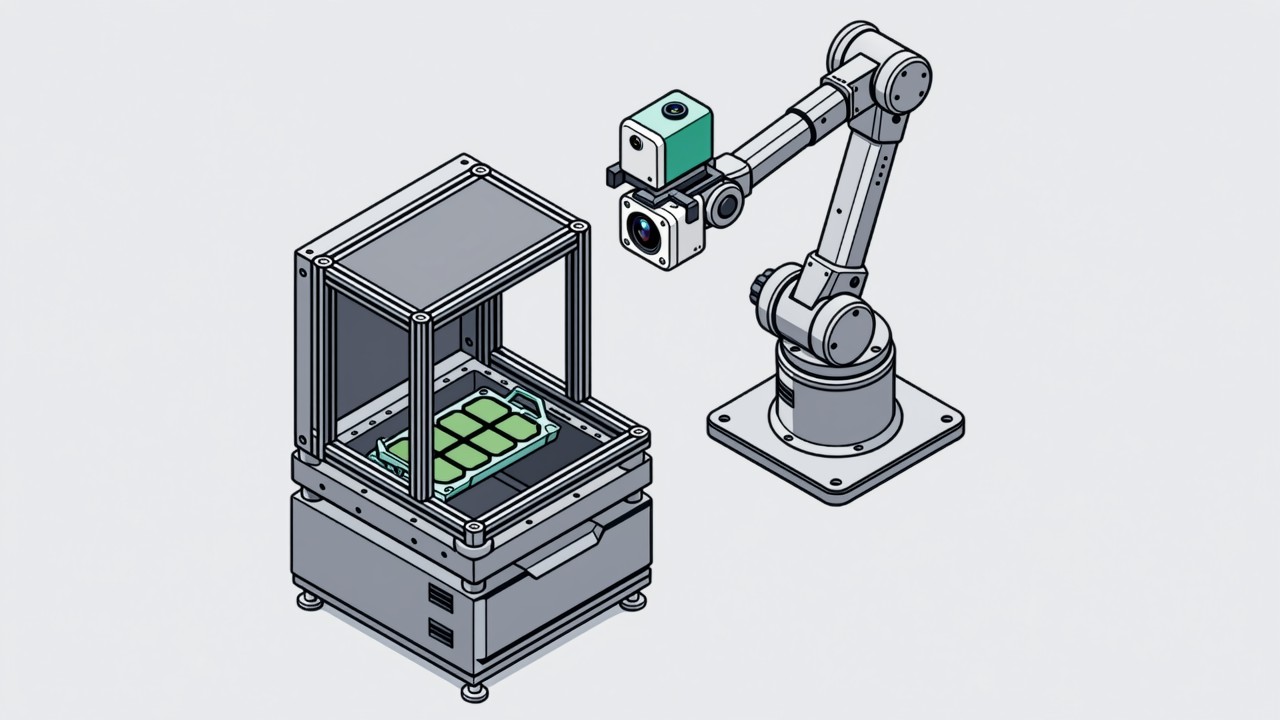
Semiconductor
Semiconductor packaging has a long process chain, fast station cycle t…
Read more →
Related products & capabilities
-

MES Integration
Run standalone, a visual SOP system only solves on-the-spot blocking. …
Read more → -

Error Prevention
The point of poka-yoke is to make an error impossible, or to catch it …
Read more → -
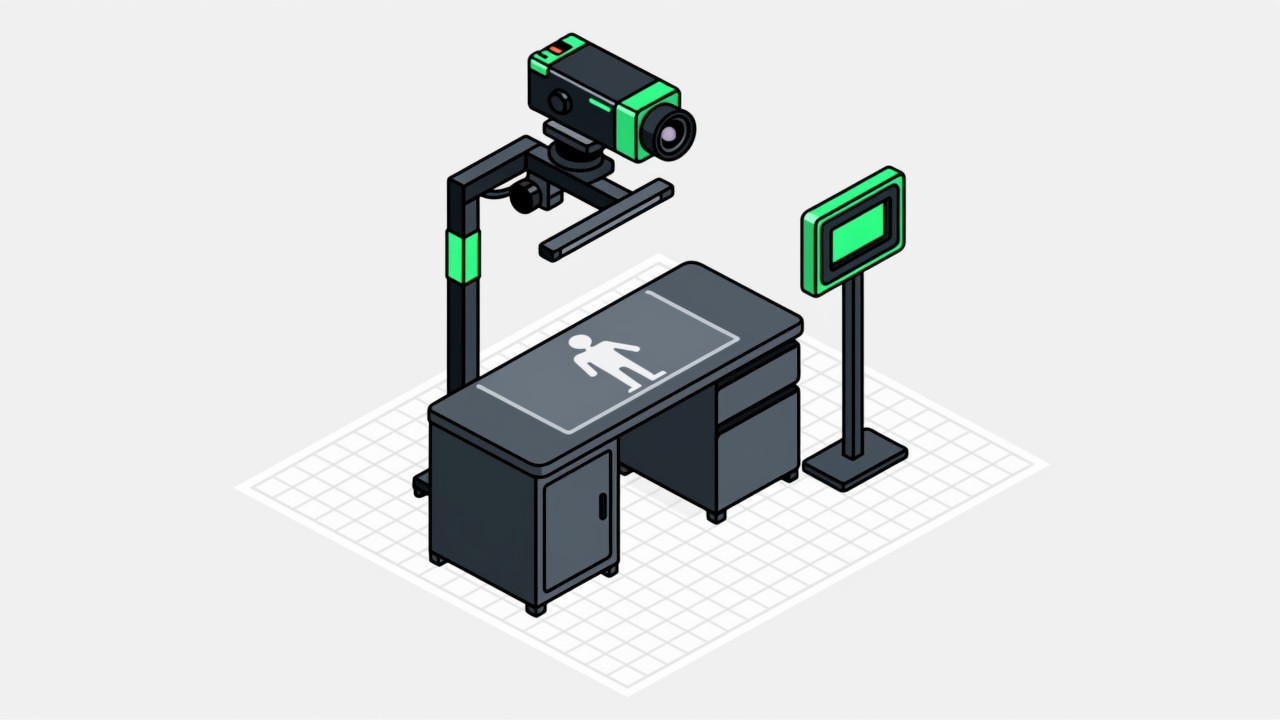
Workstation Monitoring
The workstation is the smallest unit of SOP execution. We turn the vid…
Read more → -
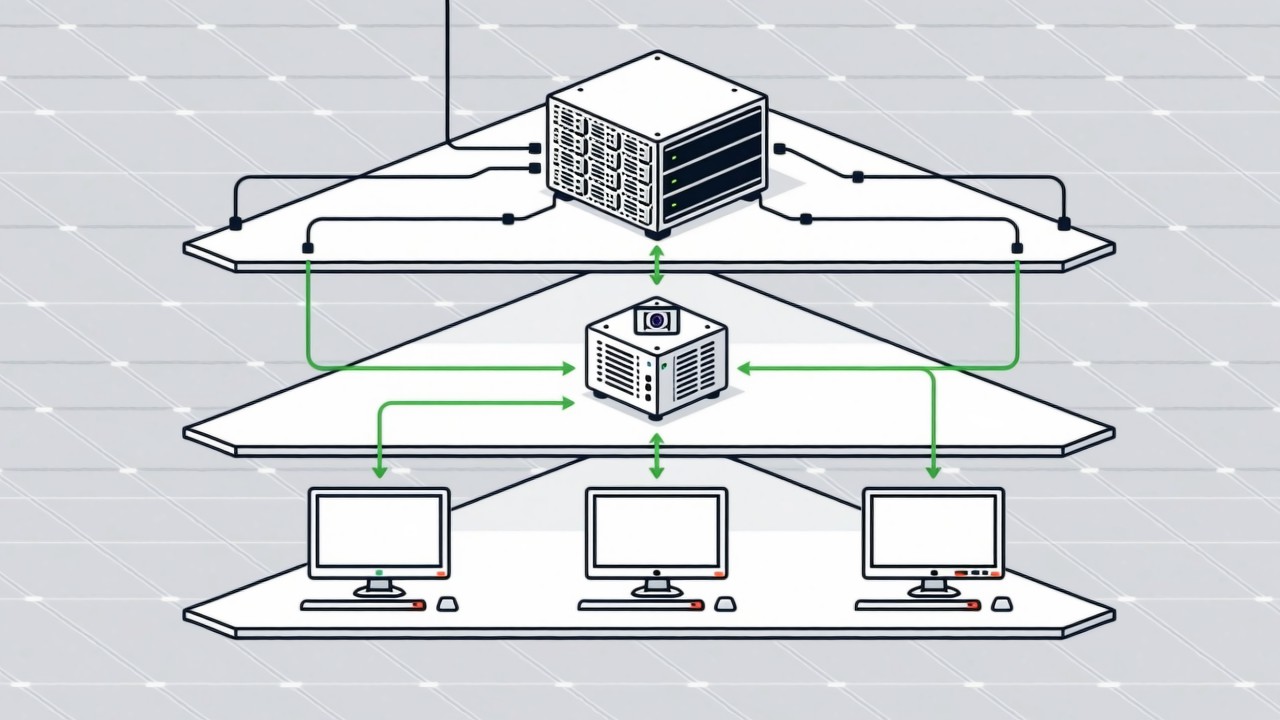
Visual AI SOP System
The Intsoft Visual AI SOP System is built in four layers: workstation …
Read more →
Does your industry face similar process problems?
Tell us your workstation scenario and process pain points, and we will tailor a solution based on cases already delivered in your industry.
Request a free trial plan