
Visual SOP Intelligent Poka-Yoke System
The point of poka-yoke is to make an error impossible, or to catch it the moment it happens. A visual system does the second: it decides at the instant the step is performed, stopping missing steps, skipped steps and wrong sequence at the workstation before the problem reaches the next station. Below are the four most common process exceptions in manufacturing and how vision judges each one.
Key takeaways
- Four exception types covered end to end: missing step, skipped step, reversed sequence, and wrong or missing part.
- Block rather than merely warn: high-risk steps can be configured to hold the unit, closing the gap by process design.
- Complements existing error-proofing by filling the visual gaps that torque tools, barcode scanning and photoelectric sensors cannot reach.
- Tiered handling: risk level decides whether a step prompts, requires rework or stops the line.
- Poka-yoke rules are self-maintained, so a process change needs no vendor involvement.
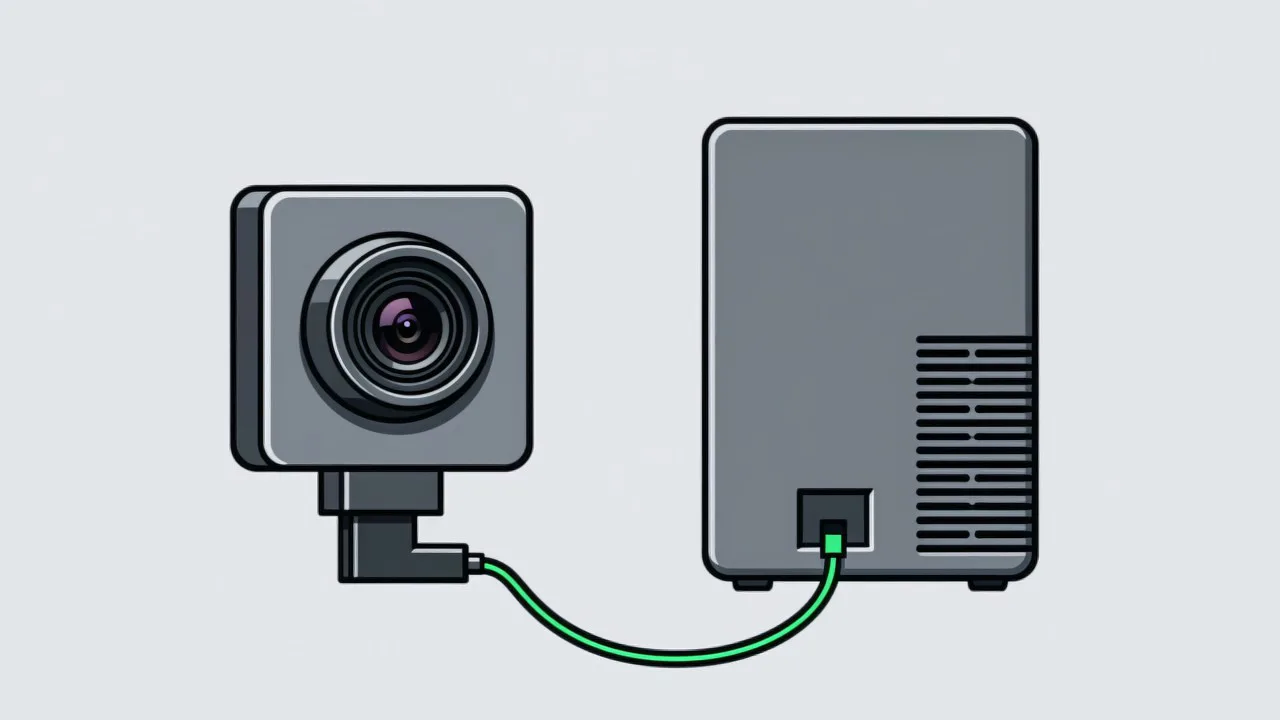
Process exceptions in manufacturing fall into four categories. Their causes differ, and so do the ways vision judges them, which is why separating the types is the first step in designing a solution. Workstation monitoring explains how the action recognition underneath actually works, and missing process prevention traces these failures back to the records where they usually show up first.
Four Types of Process Exception and How Vision Judges Them
| Exception type | Typical symptom | Visual judgement | Recommended handling |
|---|---|---|---|
| Missing step | A process step was not performed at all | Action or presence check for that step | Block; require the step to be completed before release |
| Skipped step | Steps performed out of order, or one skipped in the middle | Compare the actual action order against the standard sequence over time | Block; return to the correct step |
| Reversed sequence | Two steps performed in the opposite order | Sequence constraint check (A must precede B) | Prompt and require confirmation |
| Wrong or missing part | A wrong part fitted, or a small part left out | Part presence, specification and orientation checks | Block; send for rework |
How Visual Poka-Yoke Relates to Other Error-Proofing Methods
- Torque control: confirms that a screw was tightened, but cannot confirm it went into the correct hole or that the right number of screws was used.
- Barcode scanning: verifies the material part number, but cannot confirm the part was actually seated in place.
- Photoelectric or proximity sensors: detect presence or absence, but cannot tell a correctly fitted part from one fitted backwards.
- Visual poka-yoke: observes the assembly result and the work action directly, which is exactly the blind spot the methods above leave open.
- In practice they are combined: scanning confirms the part number, torque confirms the fastening, and vision confirms the action and the assembly state. Records from every station then flow out through MES integration. Automotive final assembly lines in mixed-model production are the clearest example of that combination.
A Four-Step Path to Error-Proofing
From a problem list to a system the floor keeps switched on
- Build the exception list
Pull real process exceptions out of warranty data, rework records and customer complaints, then rank them by how often they occur and how severe the consequences are.
- Define what to judge
For each exception, state what the camera should look at: an action, a part, a position or an order.
- Set the handling policy
Let risk decide the response: prompt for low risk, require confirmation for medium risk, and block release outright for high risk.
- Observe and tune
After go-live, keep watching false alarms and missed detections, and adjust thresholds and rules until the floor is willing to leave the system running long term.
What Visual Poka-Yoke Cannot Replace
Vision fills the blind spot of signal-based error-proofing; it does not remove the need for it. Two limits are worth stating: it can only judge what is visible, and it can only judge what you have defined as correct.
- Steps hidden by assembly or tooling cannot be judged, so the check has to sit before the step disappears from view.
- It confirms that a part is present and correctly placed, not that it is dimensionally correct or functionally sound.
- High-risk blocks should run in monitor-only mode for a week or two first, so the rule set is trusted before it is allowed to stop the line.
- Preconditions: the exception list, the process sequence, and the handling policy for each step.
Common questions about process error prevention
Will a missing-step alarm fire on legitimate work?
Consecutive-frame confirmation combined with tiered handling reduces that dramatically. For high-risk blocks, run in monitor-only mode for one to two weeks before enabling the block.
Our process sequence is complex. Can the system remember it?
Yes. Sequence constraints are configured per product in the back end and support serial, parallel and conditional branches; the configuration reads much like the process document itself.
How is this better than a poka-yoke checklist?
A checklist depends on the operator to execute and tick it, and the checklist itself can be skipped. Visual judgement happens automatically and requires no extra action from the operator.
Other products & capabilities
-
MES Integration
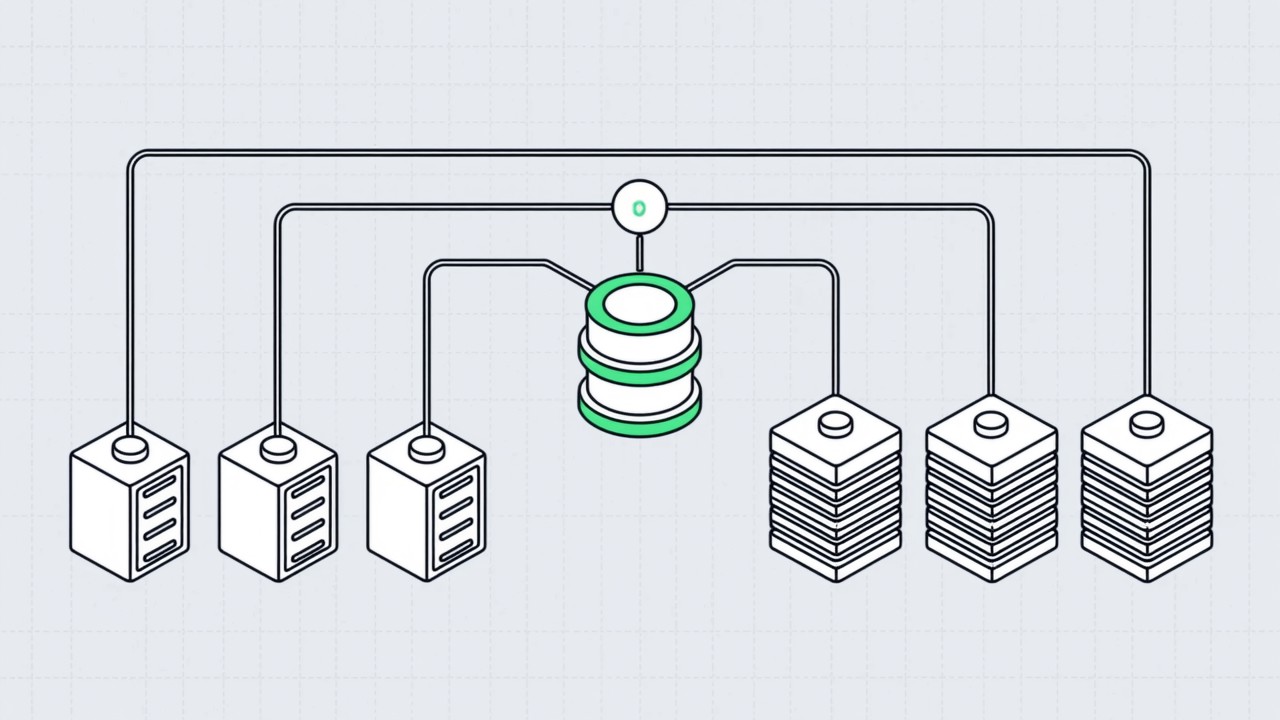
Run standalone, a visual SOP system only solves on-the-spot blocking. …
Read more → -
Workstation Monitoring
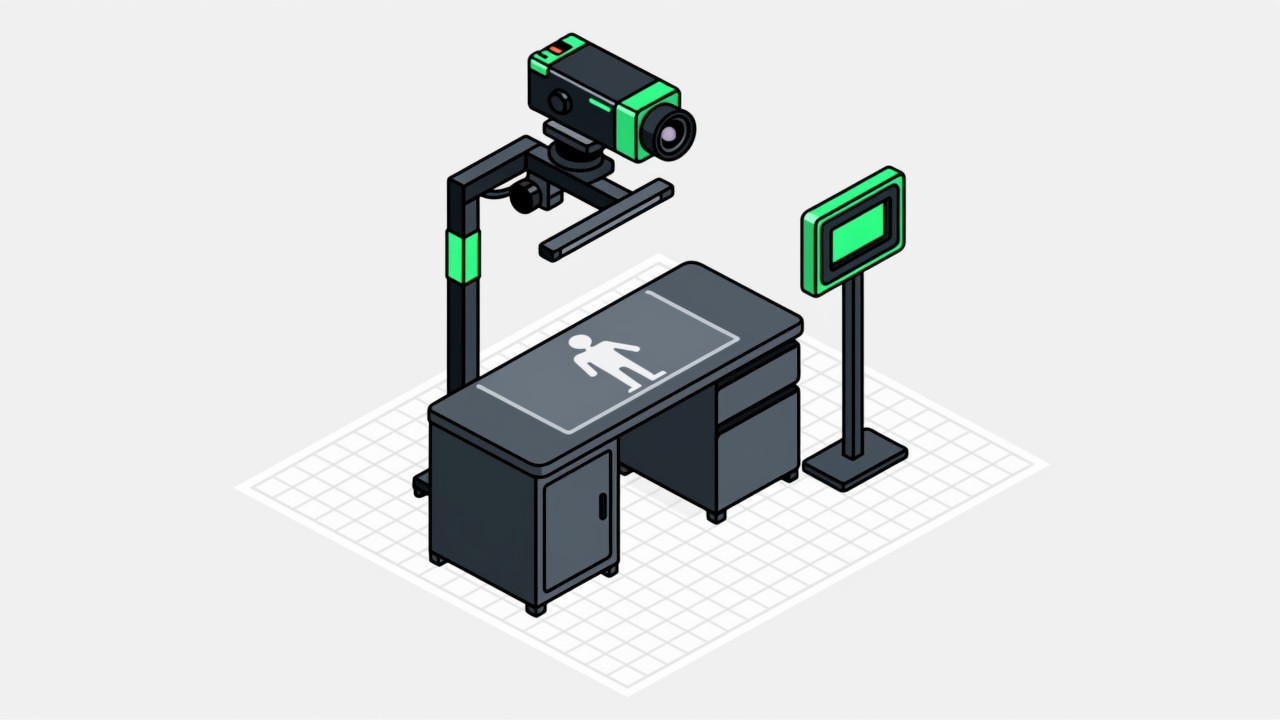
The workstation is the smallest unit of SOP execution. We turn the vid…
Read more → -
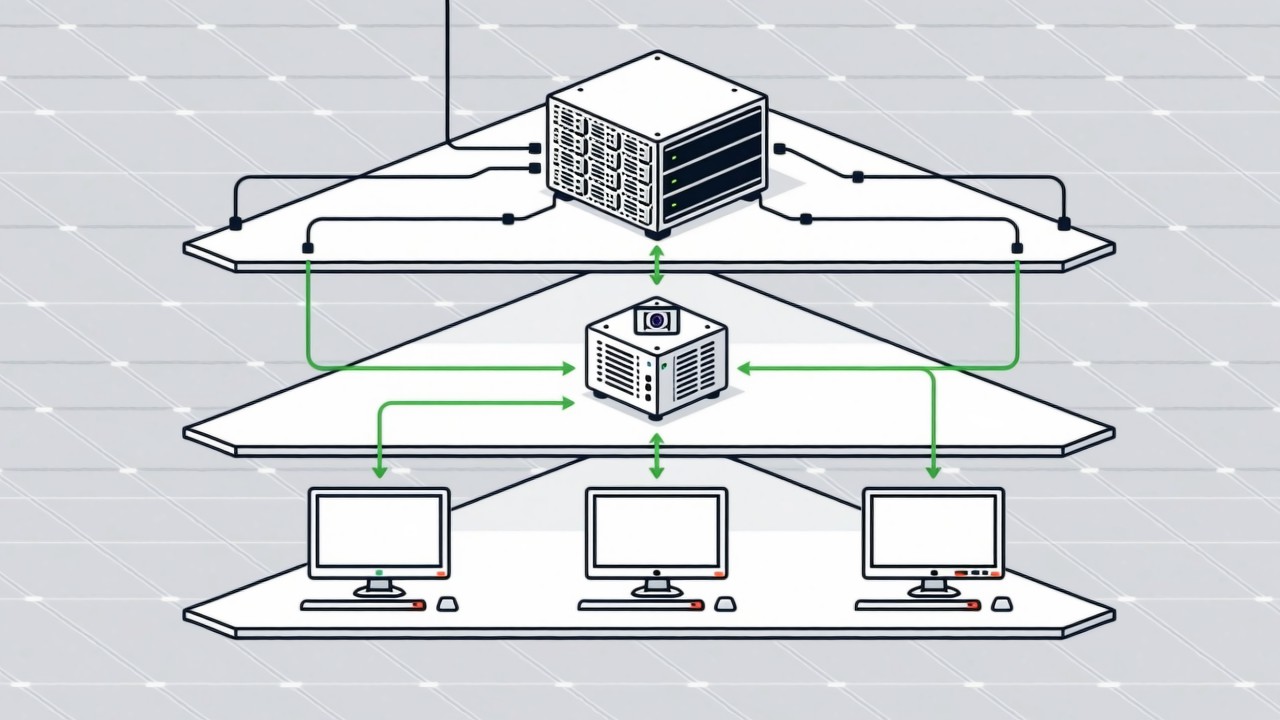
Visual AI SOP System
The Intsoft Visual AI SOP System is built in four layers: workstation …
Read more →
Applicable industry solutions
-
Textile
Textile and apparel work splits into very fine operations and changes …
Read more → -
Food Processing
Food process management has two hard constraints: food safety audits d…
Read more → -
Small Appliances
A significant share of small-appliance field failures are not failed c…
Read more → -
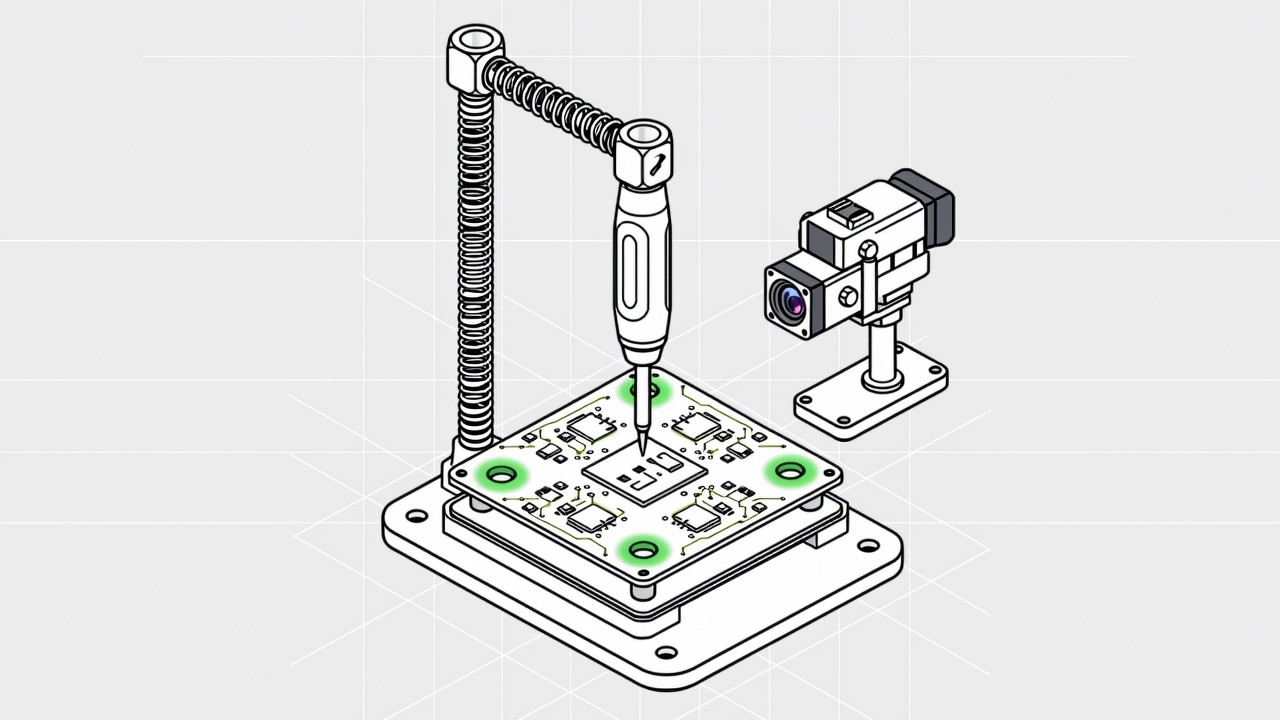
3C Electronics
3C assembly is characterised by many small parts, many screws, tight t…
Read more → -
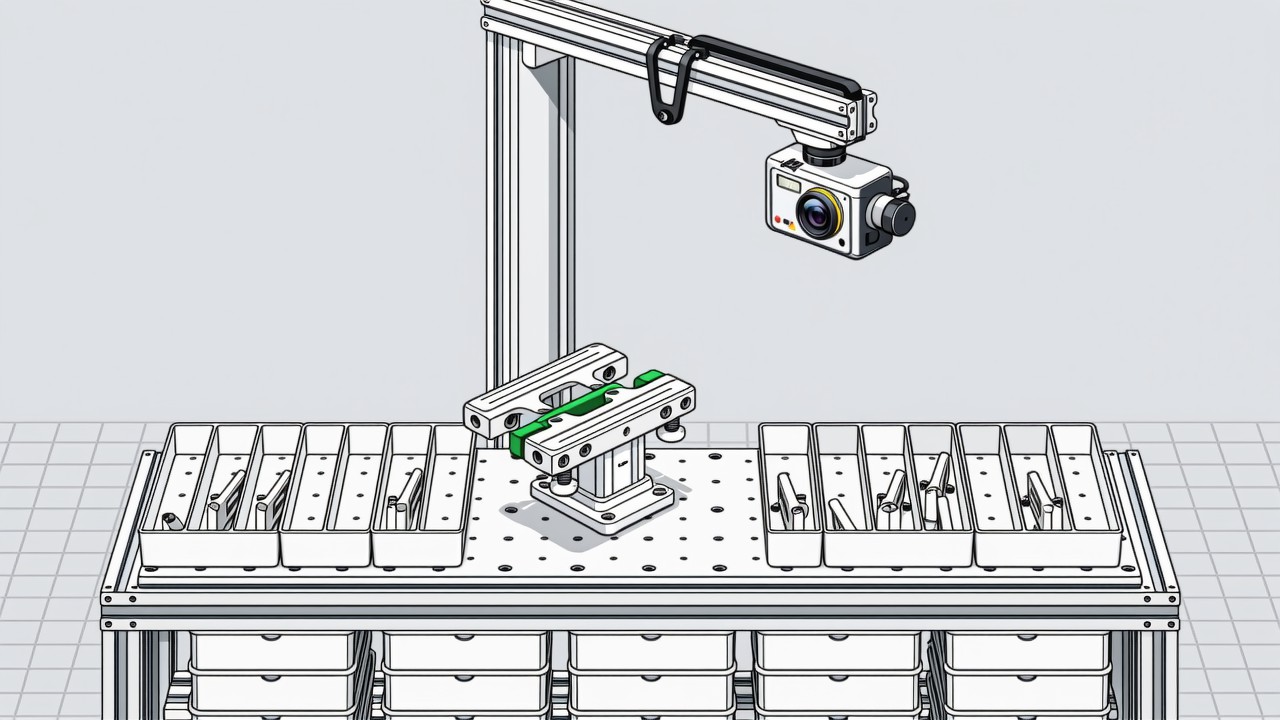
Auto Parts
The typical auto parts plant runs high variety, low volume and fast ch…
Read more → -
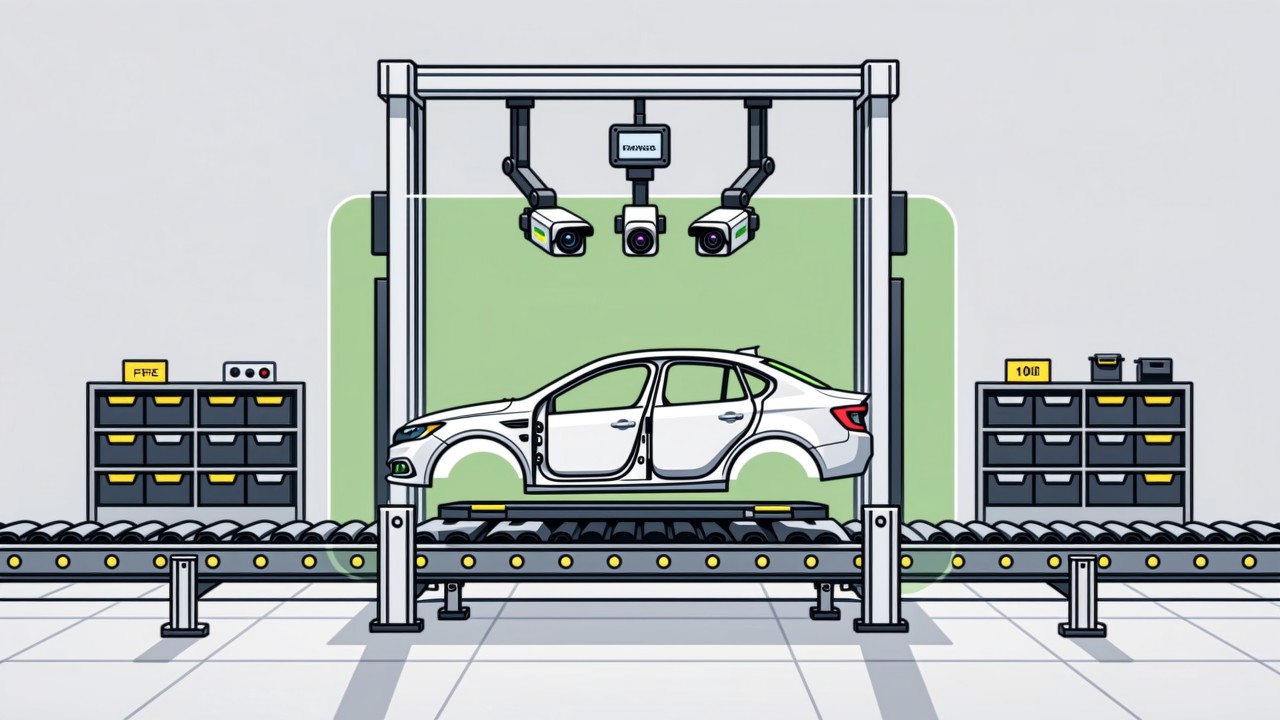
Automotive Assembly
Final assembly is where carmakers have the densest concentration of op…
Read more → -
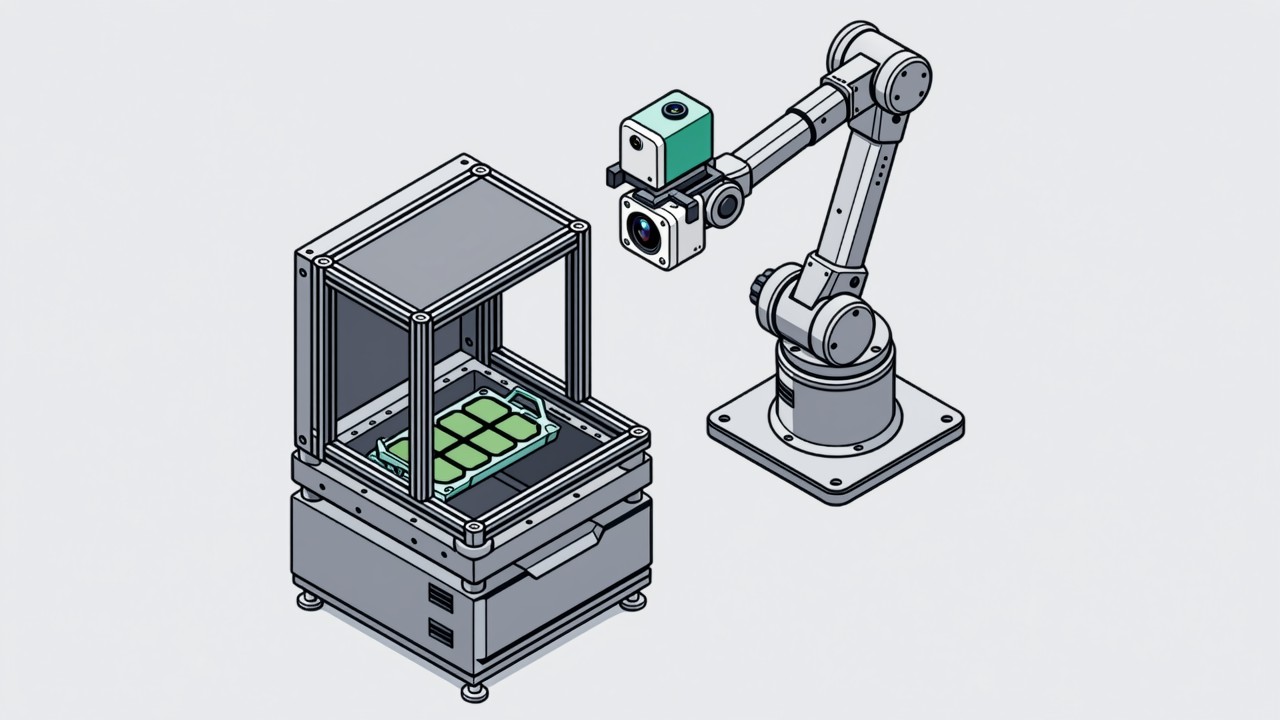
Semiconductor
Semiconductor packaging has a long process chain, fast station cycle t…
Read more →
Want to see how this capability fits your line?
We provide on-site feasibility assessment, pilot deployment and complete MES integration.
Request a free trial plan