
Visual SOP MES Integration and Production Traceability
Run standalone, a visual SOP system only solves on-the-spot blocking. The real value is turning process execution data into a traceable production record. This page explains how process data is linked to the product serial number, which methods are used to write it back to MES, and what questions a traceability record can answer.
Key takeaways
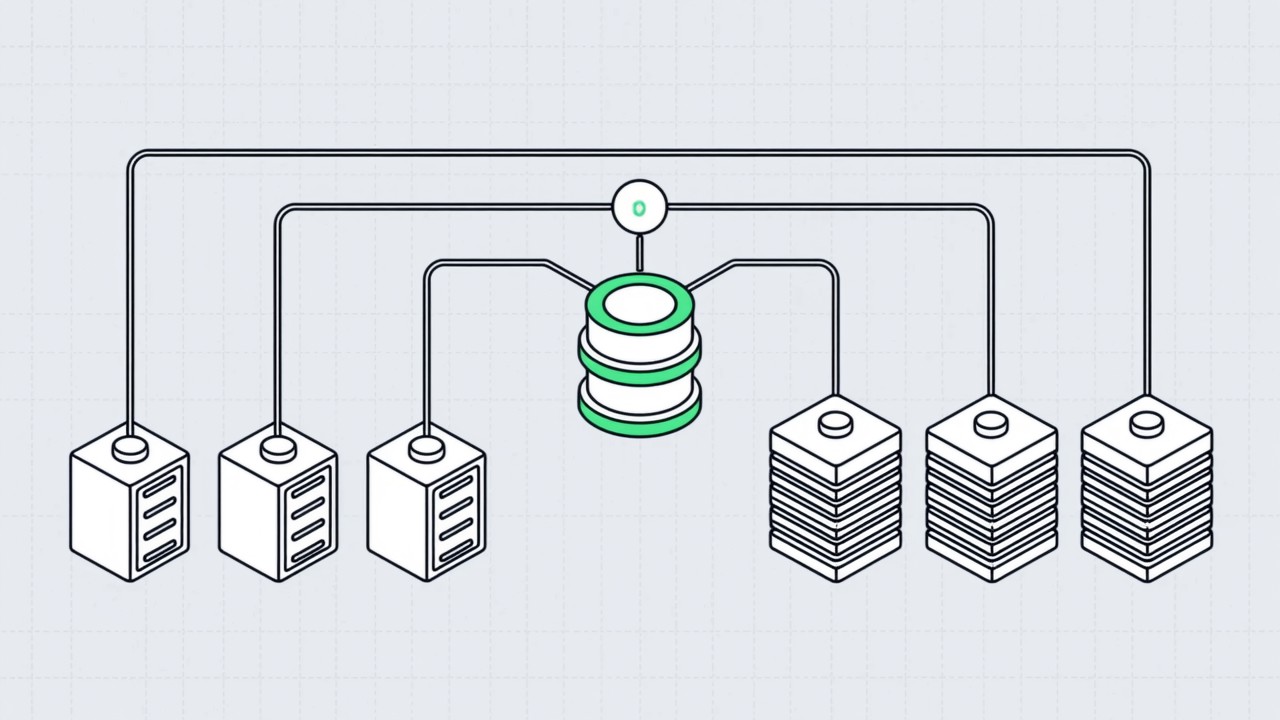
- Three integration methods - direct database writes, HTTP interfaces and message queues - chosen to match what your systems expose.
- Traceability down to the process step: execution time, workstation and judgement result for every step.
- Questions become queryable: which workstation a batch went wrong at stops being guesswork.
- Reverse traceability: find other units from the same batch that carry the same step exception.
- Standard export templates support OEM process audits and food safety system audits directly.
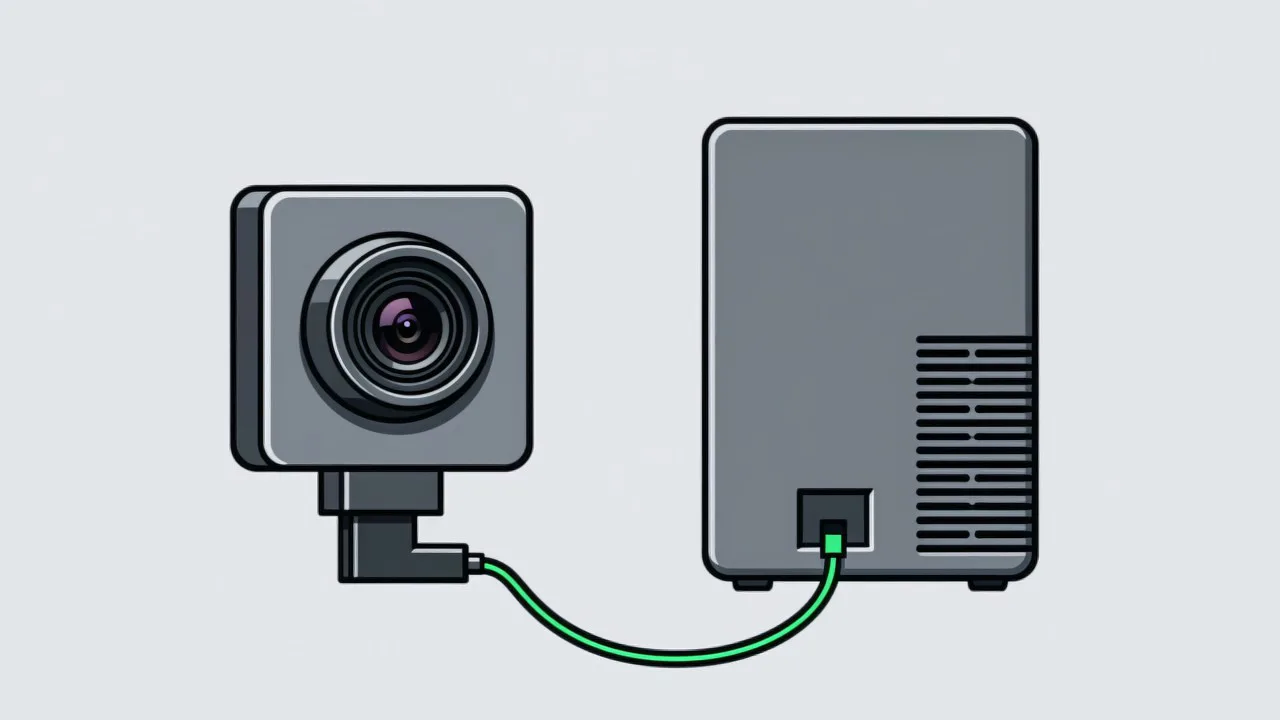
Once the Visual AI SOP System has judged process execution locally, it produces a large amount of structured data. Left on the machine, that data buys you nothing beyond the error prevention stop it already triggered; written back to MES, it becomes a quality asset for the business. Batch traceability requirements are heaviest in semiconductor packaging and automotive work, which is why those lines tend to adopt this architecture first.
Three Key Fields for Linking Data
- Product serial number (or batch number / VIN / carrier ID): determines which unit a record belongs to, and is the primary key for traceability.
- Process step code: determines which SOP step the record refers to, and must be aligned with the MES step coding. That alignment is the part of the work covered in visual SOP data traceability.
- Timestamp: places the record on the time axis and is also used to calculate step duration and takt time, the same measurement workstation monitoring reports at station level.
Comparing the Three Integration Methods
| Method | When it fits | Advantages | Points to watch |
|---|---|---|---|
| Direct database write | Both databases can reach each other and a direct connection is permitted | Simplest to implement, low latency | Agree the table structure and fields; mind permissions and transaction boundaries |
| HTTP interface | MES exposes a standard REST or web service interface | Well decoupled, easy to maintain, workable across networks | Handle timeouts and retries so records are not lost |
| Message queue | The company already runs middleware such as Kafka or RabbitMQ | High throughput, natural peak smoothing, good reliability | Needs middleware operations capability; relatively higher implementation cost |
What the Traceability Record Can Answer
- For this unit, what were the execution time, the workstation and the judgement result at every process step?
- Of this batch, how many units raised an exception prompt at a given step?
- What was the exception rate for a given workstation in a given shift, and was it concentrated in a particular period?
- Do other units in the same batch show the same step exception pattern as the defective unit?
- What is the average duration of a given step, and is there a bottleneck station?
- Can the process records an OEM audit asks for be exported by batch directly?
Boundaries of the Integration
The vision system writes its own records; it does not become the system of record and does not modify your existing MES tables. The one place the two coding schemes have to meet is the step code, described in visual SOP data traceability.
- It does not replace MES as the source of truth for the build order or the BOM; it consumes those and appends process results.
- Preconditions: a product or batch identifier shared with MES, an agreed step-code mapping, and a decision on which integration method your infrastructure supports.
- Records are only as good as the ID read at the station; if the serial number is unreliable, the traceability chain breaks there.
- High-volume lines need a retention and partitioning policy agreed up front, not after the first disk fills.
Common questions about MES integration
We use a self-developed MES with non-standard interfaces. What then?
A common situation. We usually recommend a direct database write or an intermediate table, so that your IT team can pull data from the table on its own schedule and the two sides stay decoupled.
The serial number is only created at a certain workstation. What about the earlier steps?
Steps before the serial number exists can be filed under the batch number first, then linked to the specific unit once the serial number is generated. You can also add marking or labelling at the first station.
Will the record volume be too large for the database?
Records are written at process-step granularity, so the number of rows per unit equals the number of steps. For high-volume lines we recommend monthly partitioning or an archiving policy, and we provide a capacity estimate during the solution phase.
Will the integration change our existing MES table structure?
No. The vision system writes to its own tables or to an agreed interface and does not modify existing MES tables; all changes are made on our side.
Other products & capabilities
-
Error Prevention
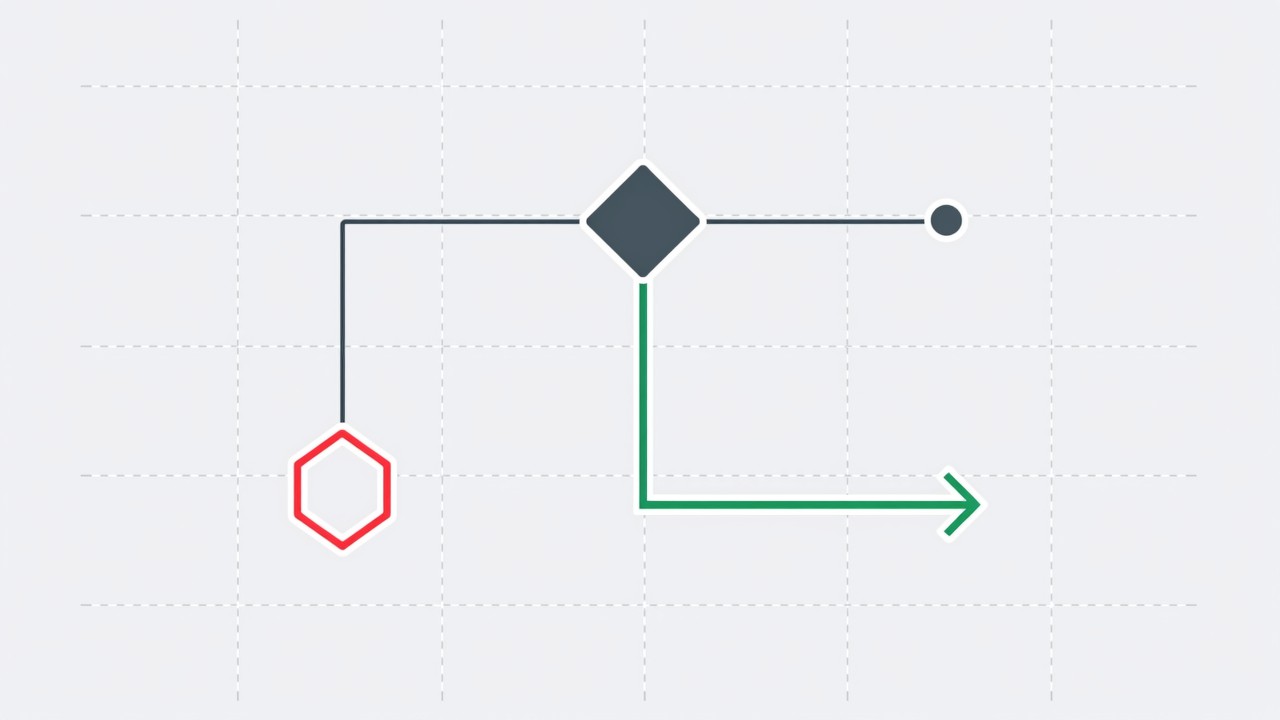
The point of poka-yoke is to make an error impossible, or to catch it …
Read more → -
Workstation Monitoring
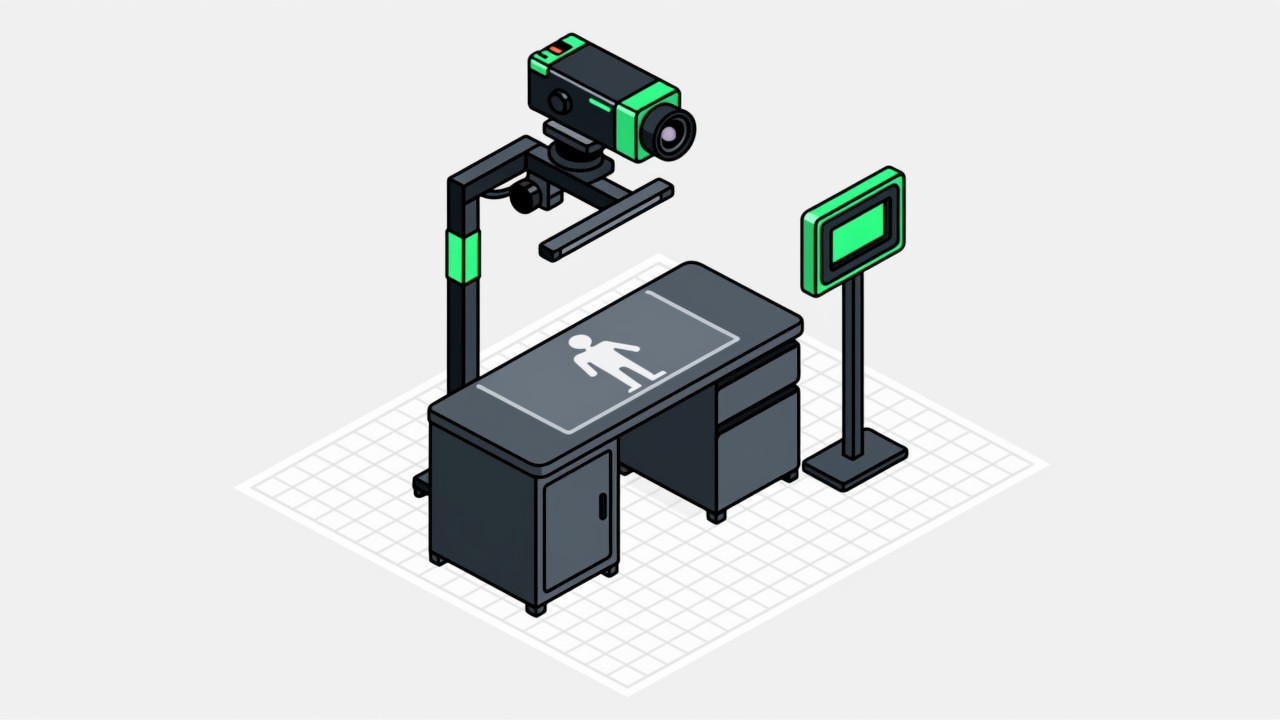
The workstation is the smallest unit of SOP execution. We turn the vid…
Read more → -
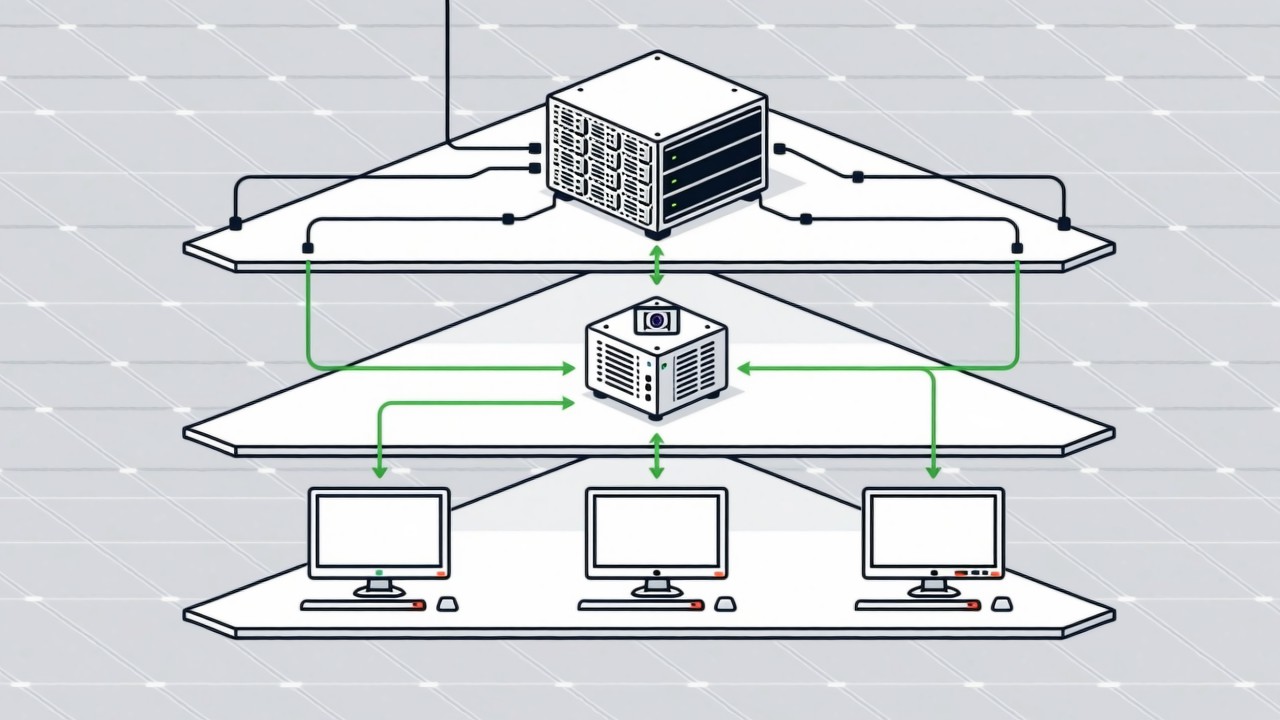
Visual AI SOP System
The Intsoft Visual AI SOP System is built in four layers: workstation …
Read more →
Applicable industry solutions
-
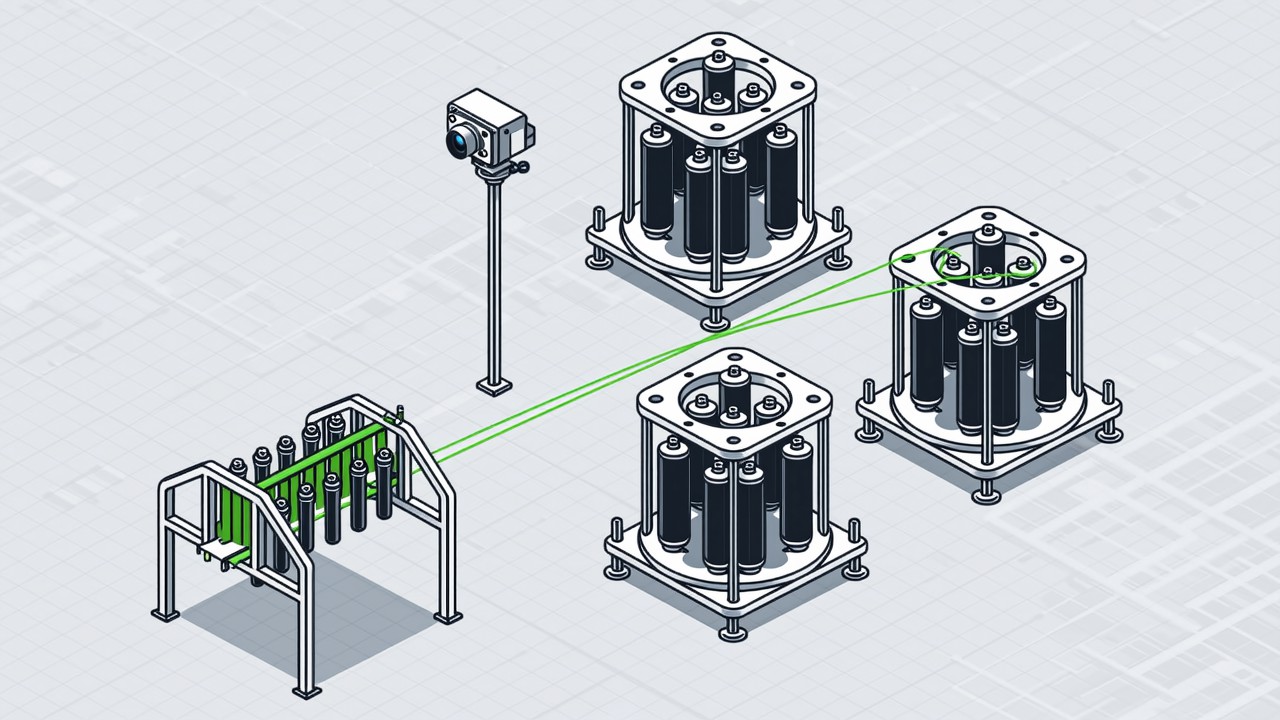
Textile
Textile and apparel work splits into very fine operations and changes …
Read more → -
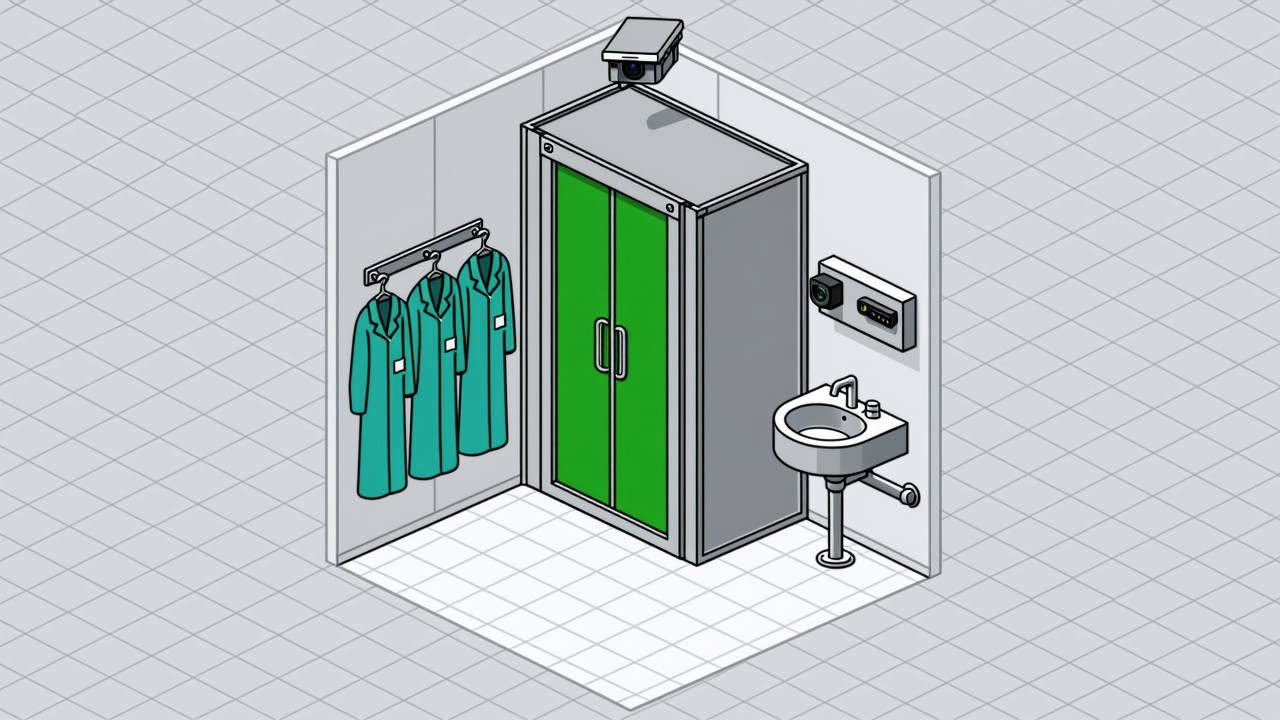
Food Processing
Food process management has two hard constraints: food safety audits d…
Read more → -
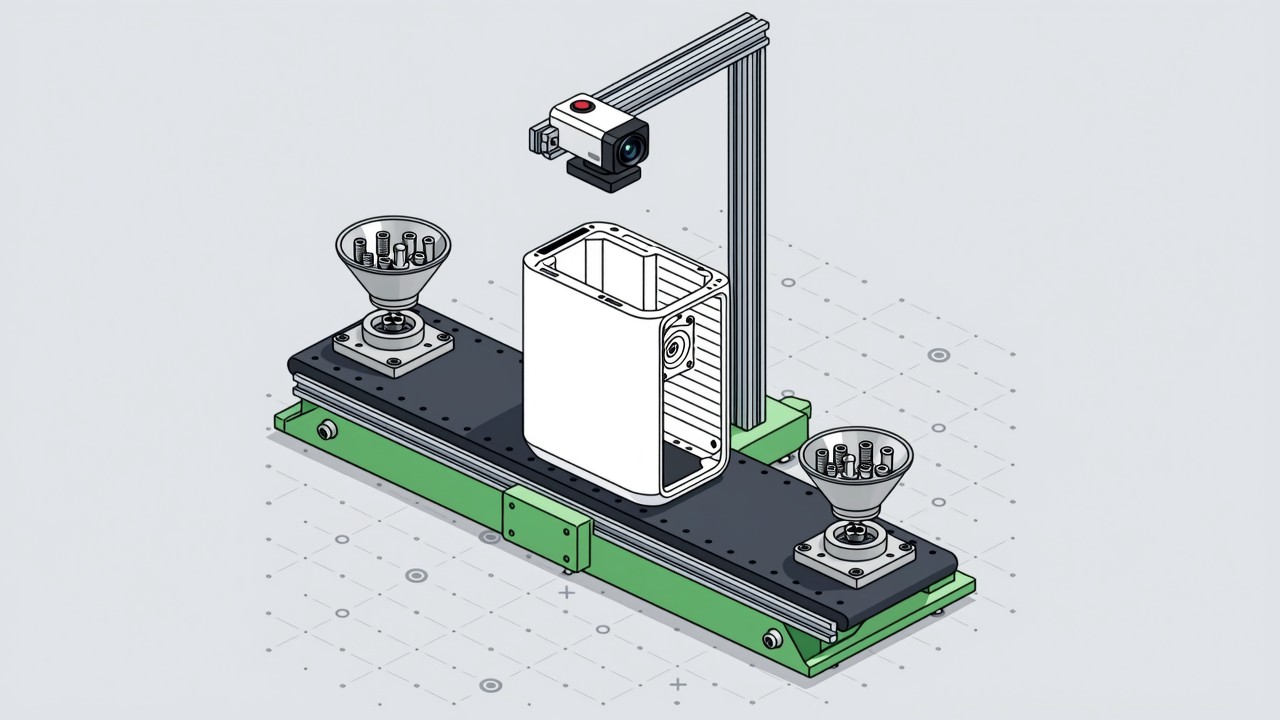
Small Appliances
A significant share of small-appliance field failures are not failed c…
Read more → -
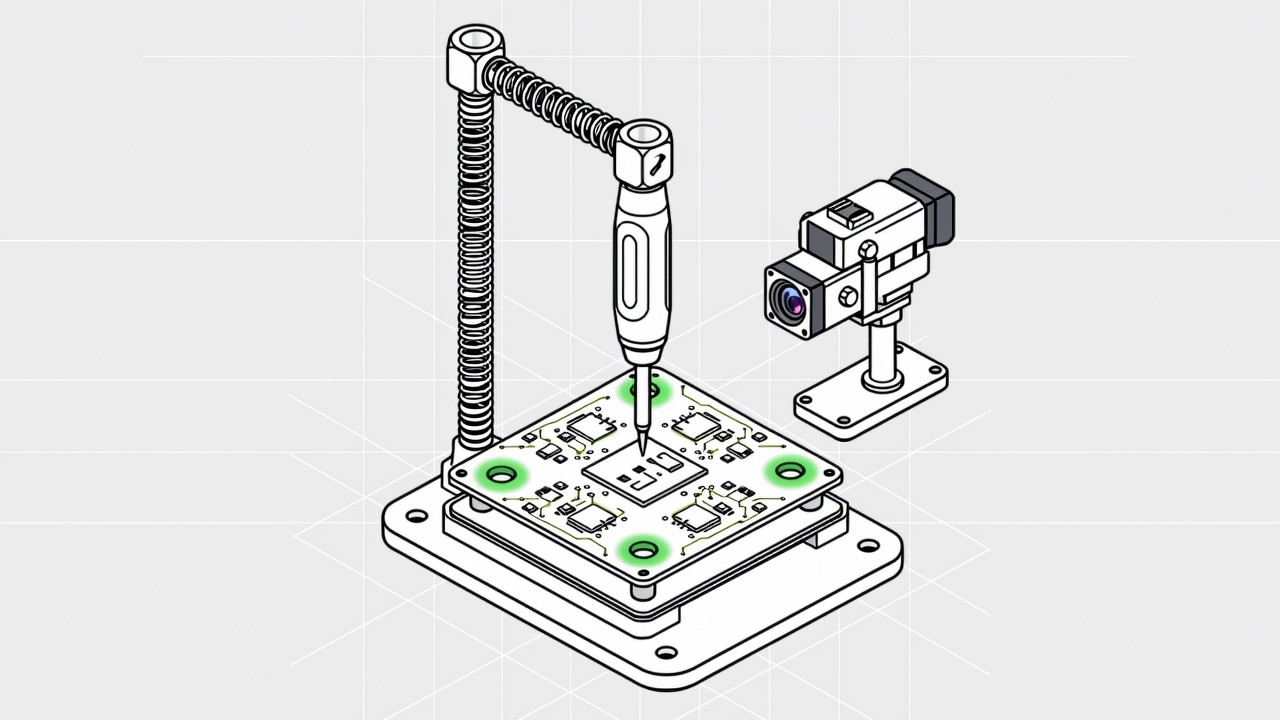
3C Electronics
3C assembly is characterised by many small parts, many screws, tight t…
Read more → -
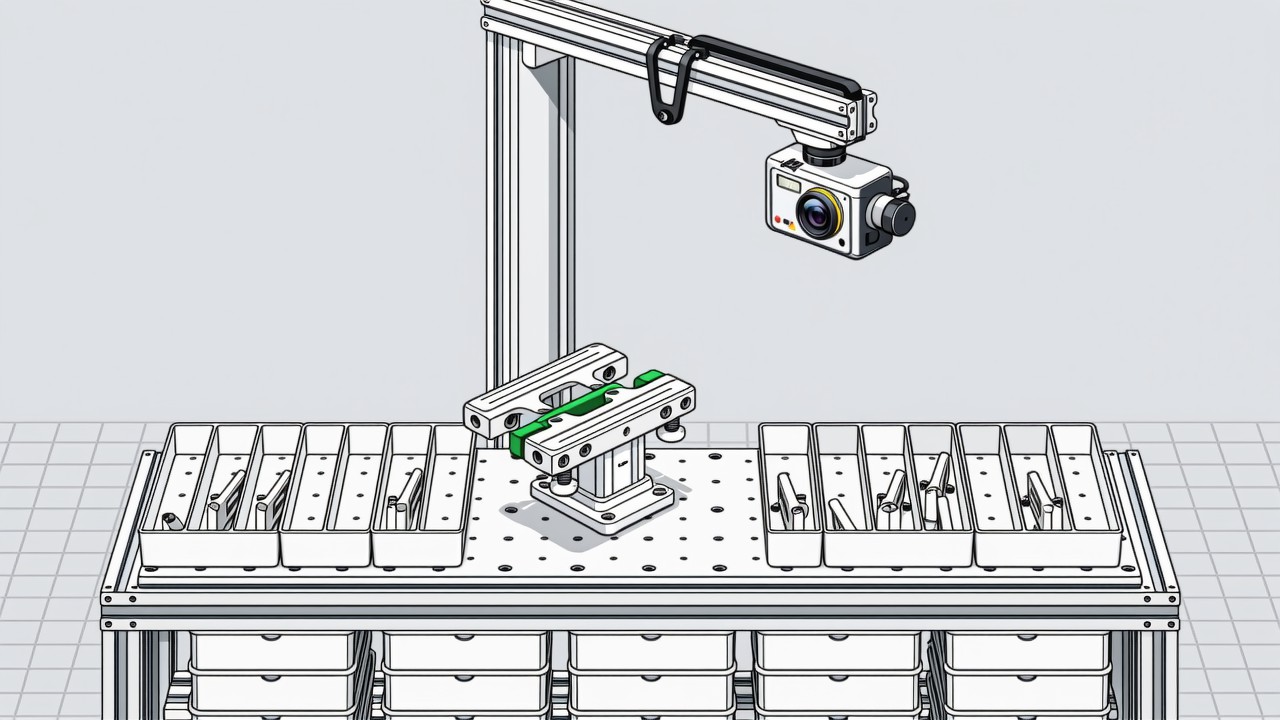
Auto Parts
The typical auto parts plant runs high variety, low volume and fast ch…
Read more → -
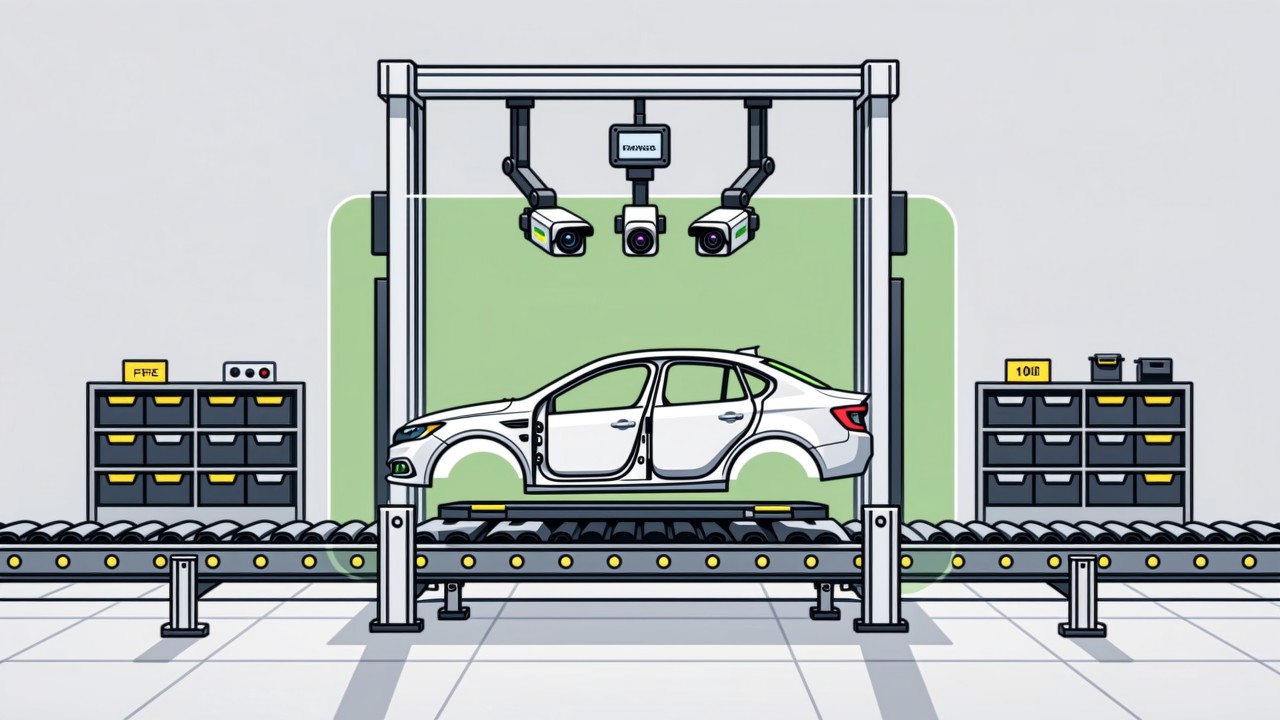
Automotive Assembly
Final assembly is where carmakers have the densest concentration of op…
Read more → -
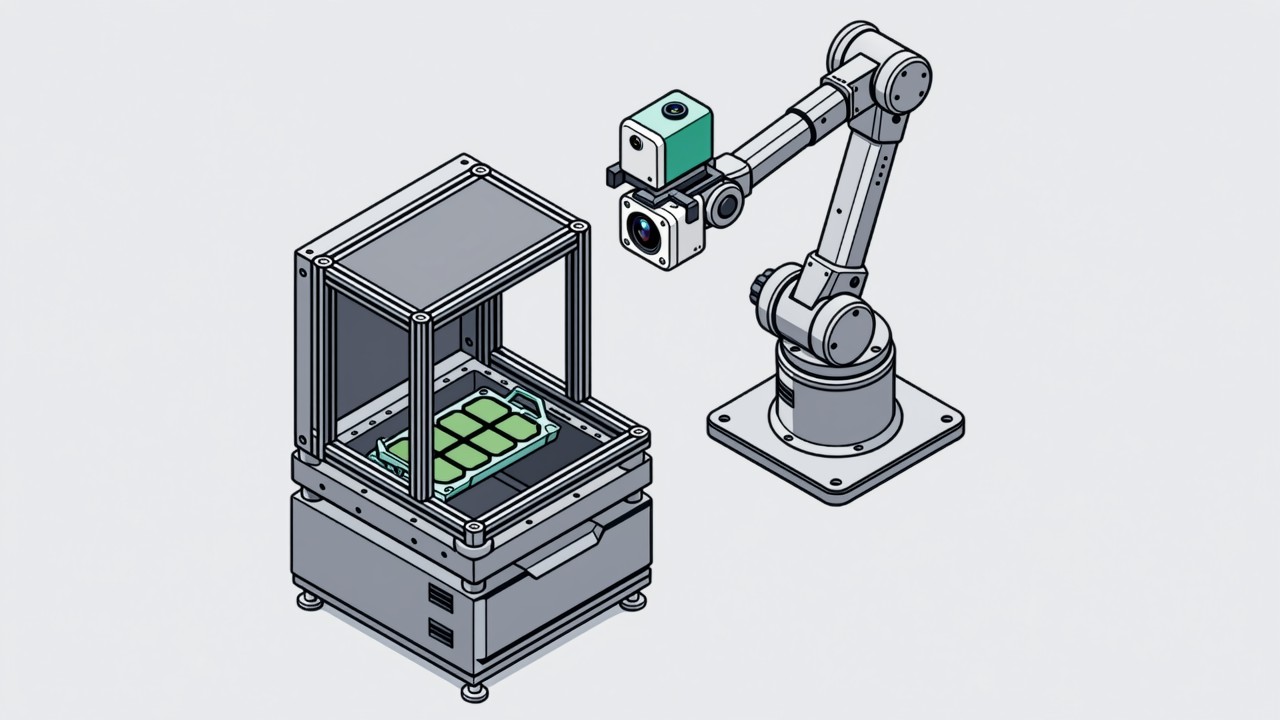
Semiconductor
Semiconductor packaging has a long process chain, fast station cycle t…
Read more →
Want to see how this capability fits your line?
We provide on-site feasibility assessment, pilot deployment and complete MES integration.
Request a free trial plan