
Intsoft Visual AI SOP System
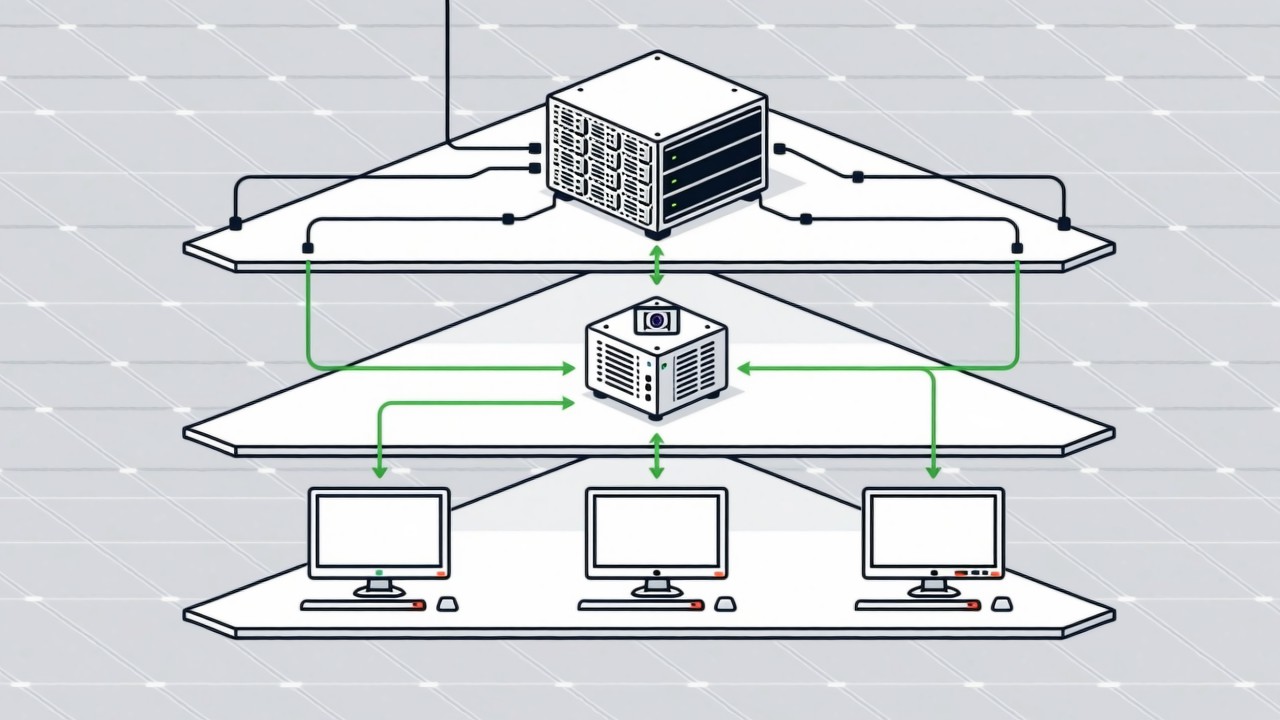
The Intsoft Visual AI SOP System is built in four layers: workstation sensing (industrial cameras and lighting), edge recognition (action and state decisions), logic comparison (checks against the standard process sequence) and business output (alarms and traceability data). Because the layers are decoupled, you can deploy across a full line or start with a single workstation and extend from there.
Key takeaways
- Deploys either across a full line or as a single-workstation pilot, and a pilot is usually validated within two weeks.
- Process sequences, decision rules and confidence thresholds are all configured in the back end, so a model changeover needs no redevelopment.
- Three integration routes - direct database writes, HTTP interfaces and message queues - connect the system to MES and QMS.
- Alarms fire on both the workstation terminal and the line dashboard, which makes them much harder to ignore.
- All content and records export in structured form for process audits and traceability analysis.
The Visual AI SOP System answers a question no sensor used to answer: whether an operator at a production workstation actually followed the standard operating procedure. Finished-goods quality is covered by AOI and inspection equipment and machine status is captured by SCADA, but process compliance has always relied on people watching people. Workstation monitoring is the layer that changes this, and the same architecture carries over to semiconductor packaging and other industries.
Four-Layer Architecture
System layers and what each one does
- Workstation sensing layer
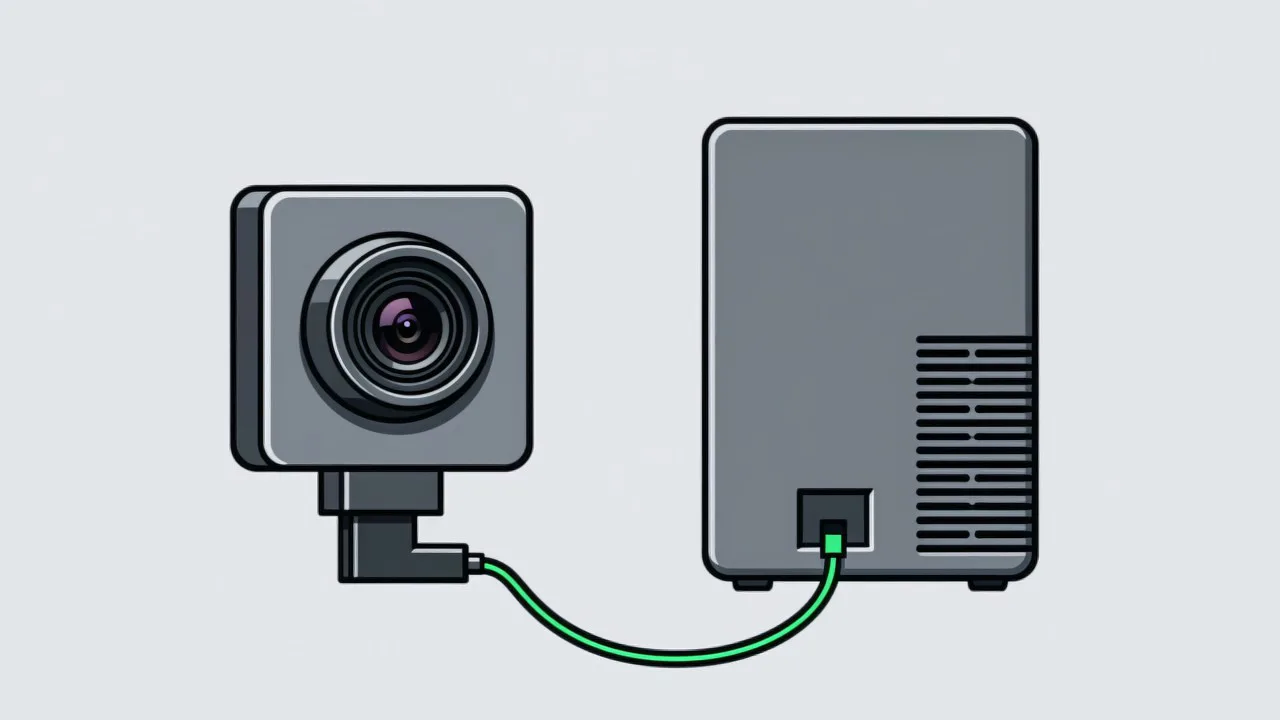
Industrial cameras (area scan, global shutter, optional 3D), lenses and lighting are selected to match the physical shape of the station. The goal is stable imaging of both the work actions and the parts being assembled, without getting in the way of the operator.
- Edge recognition layer
An edge computing box runs the recognition models locally and outputs structured results: whether an action occurred, whether a part is present, whether its position is correct. Local inference keeps latency low and removes any dependence on an external network.
- Logic comparison layer
Recognition results are mapped onto the standard process sequence for the product currently being built, and the system decides whether a step was missed, performed out of order or repeated. Rules and thresholds are configured per workstation and per product model.
- Business output layer
Exceptions raise alarms at the workstation terminal and on the dashboard. Normal records, together with product serial number, timestamp and workstation ID, are written to the database and pushed to MES or QMS.
Core Capabilities
| Capability | Description | Problem solved |
|---|---|---|
| Action recognition | Detects whether work actions such as picking, assembling, fastening, inspecting and recording actually occurred | Missing work actions, incomplete routing |
| Presence check | Determines whether a specified part has been assembled into position | Missing screws, washers, clips or O-rings |
| Sequence verification | Compares the actual order of operations against the standard process sequence | Skipped steps, reversed steps |
| Compliance check | Determines whether dress, cleanliness and ESD requirements are met | Work standards not met |
| Process traceability | Files the execution record of every step against the product serial number | Quality problems that cannot be traced to a step |
| Process statistics | Reports workstation cycle time, step duration and exception distribution | Improvement work with no data behind it |
Deployment and Operation
- Deployment timeline: a single-workstation pilot usually takes one to two weeks, covering site survey, imaging validation, model adaptation, integration and acceptance.
- Installation without stopping the line: cameras and the edge box are mounted and calibrated during changeover gaps, planned downtime or night shifts, so the running takt is unaffected.
- Local inference: recognition runs on the edge box rather than in the cloud, so a network outage never affects line decisions and production images are not uploaded to the public internet.
- Remote service: operating status, model version and exception logs can all be reviewed remotely, which reduces the number of site visits.
- Self-service rules: process sequences and confidence thresholds are maintained by your own process engineers in the back end, so a changeover needs no vendor involvement. Keeping the alarm rate credible enough that the floor leaves the system switched on is the other half of the job - see alarm fatigue.
Capability Boundaries and What You Must Provide
The system judges process compliance, not product quality. Dimensional accuracy, electrical performance and surface defects belong to metrology, test and AOI, and are not what this replaces. It also does not take over machine safety or PLC interlocks; it adds a layer above them.
- Every step has to be observable from at least one mountable viewpoint; a step that is fully hidden can only be inferred, not judged.
- Preconditions from you: the step-level SOP, the station layout or photographs, the product ID scheme, the exception list you care about most, and the line takt time.
- It complements rather than replaces torque tools, barcode scans and photoelectric sensors; the division of labour is described in vision vs sensor division.
- Recognition quality depends on stable lighting and a fixed viewpoint, so a station that is moved frequently will need re-calibration.
Common questions about the system
What do you need from us to assess feasibility?
Usually the workstation layout or site photographs, the assembly SOP document, the list of steps that cause the most trouble today, and the line takt time. With those we can give a preliminary feasibility judgement.
Does the recognition model need a large labelled dataset?
Action and presence checks need very little data - a small set of positive and negative samples captured on site is normally enough to adapt the model. For complex scenes we plan additional data collection into the pilot phase.
Will the system record employees personal information?
By default it records workstation and process data only. Whether records are linked to individual operators is your decision and can be switched off in configuration. Retention periods and permissions for any personnel images are agreed during the solution phase.
Other products & capabilities
-
MES Integration
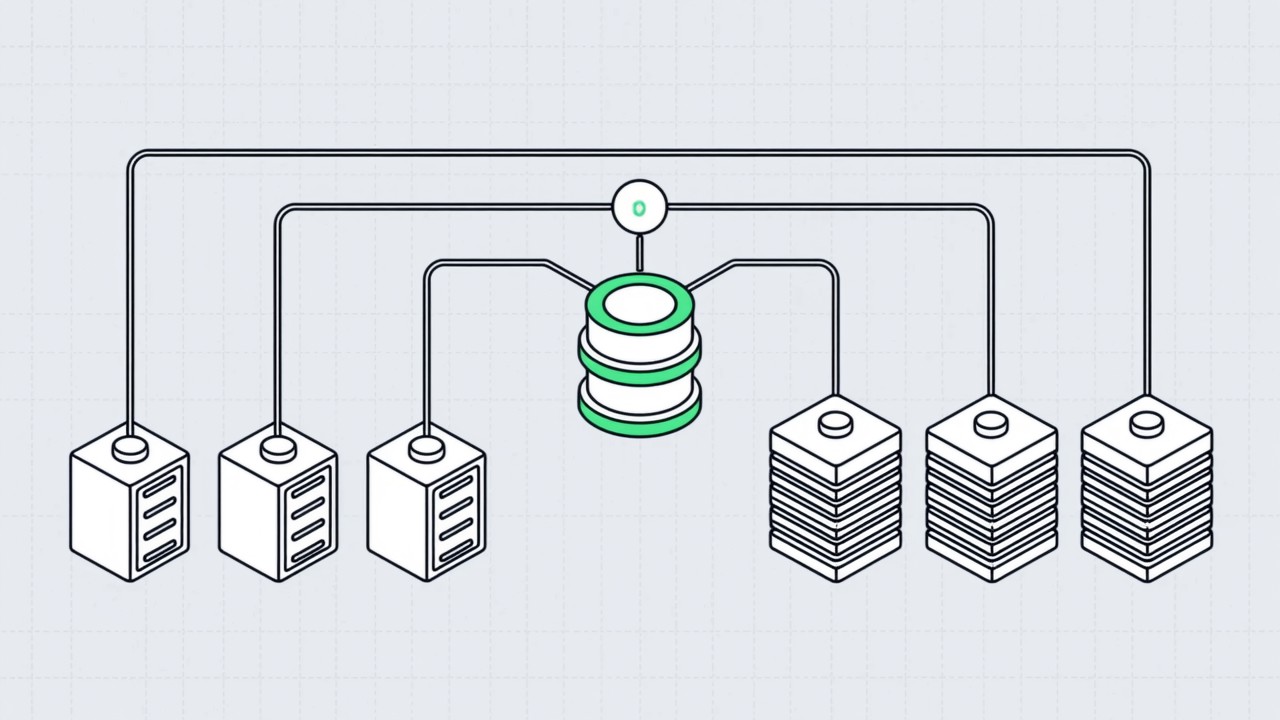
Run standalone, a visual SOP system only solves on-the-spot blocking. …
Read more → -
Error Prevention
The point of poka-yoke is to make an error impossible, or to catch it …
Read more → -
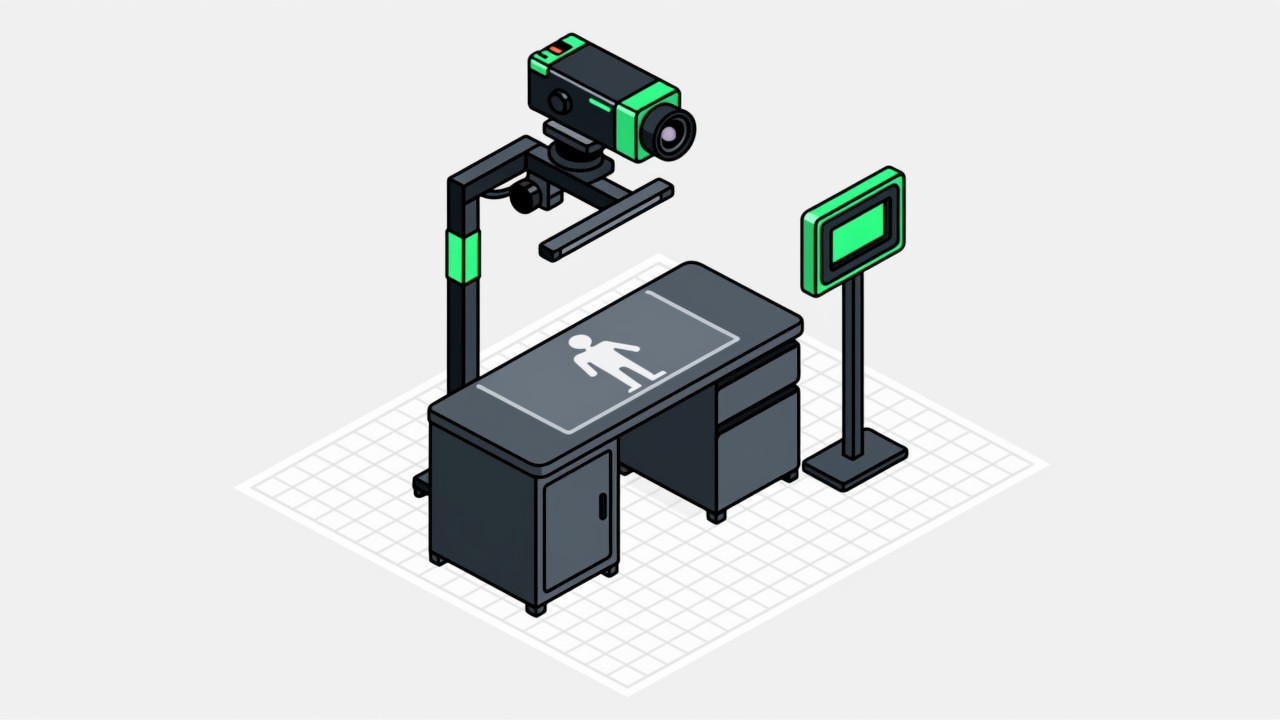
Workstation Monitoring
The workstation is the smallest unit of SOP execution. We turn the vid…
Read more →
Applicable industry solutions
-
Textile
Textile and apparel work splits into very fine operations and changes …
Read more → -
Food Processing
Food process management has two hard constraints: food safety audits d…
Read more → -
Small Appliances
A significant share of small-appliance field failures are not failed c…
Read more → -
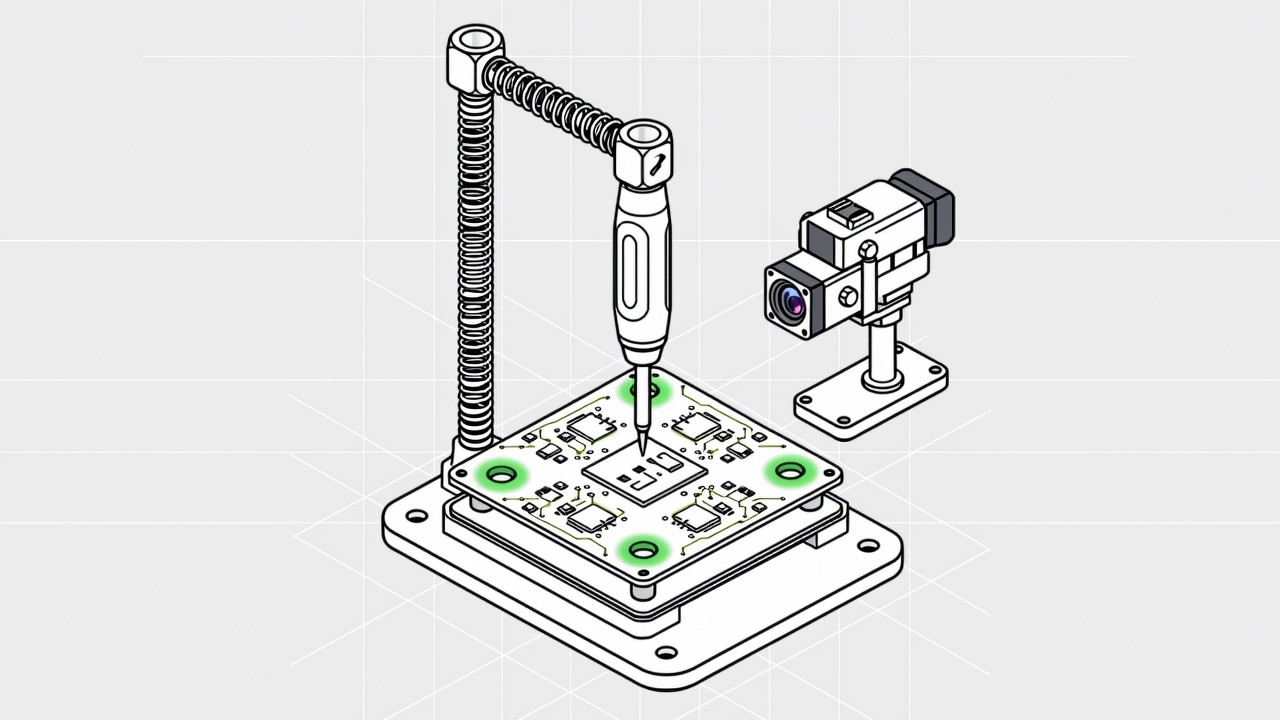
3C Electronics
3C assembly is characterised by many small parts, many screws, tight t…
Read more → -
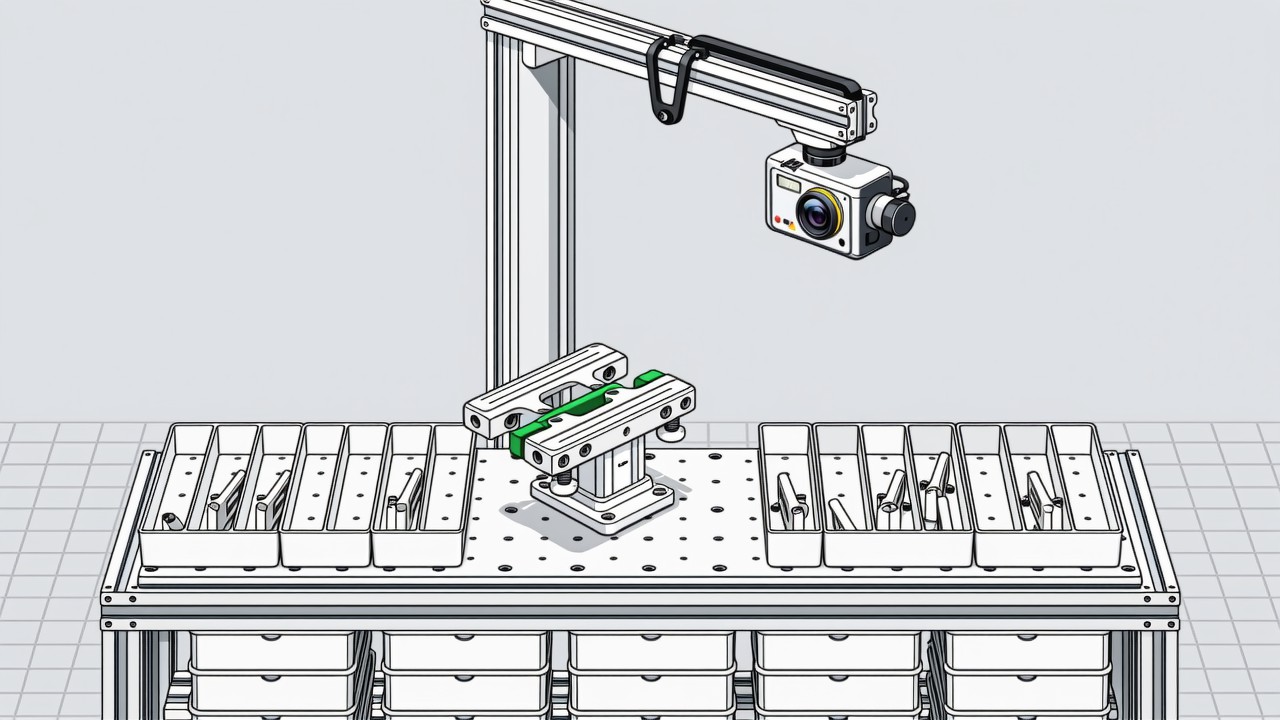
Auto Parts
The typical auto parts plant runs high variety, low volume and fast ch…
Read more → -
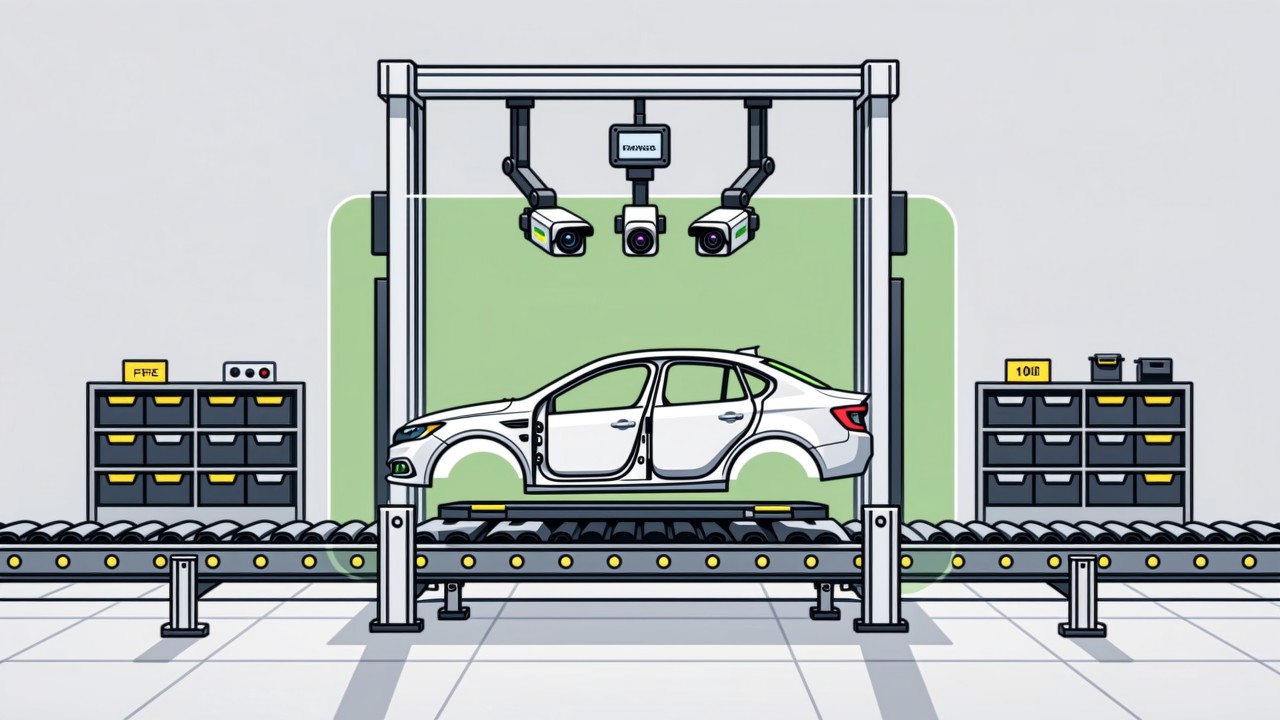
Automotive Assembly
Final assembly is where carmakers have the densest concentration of op…
Read more → -
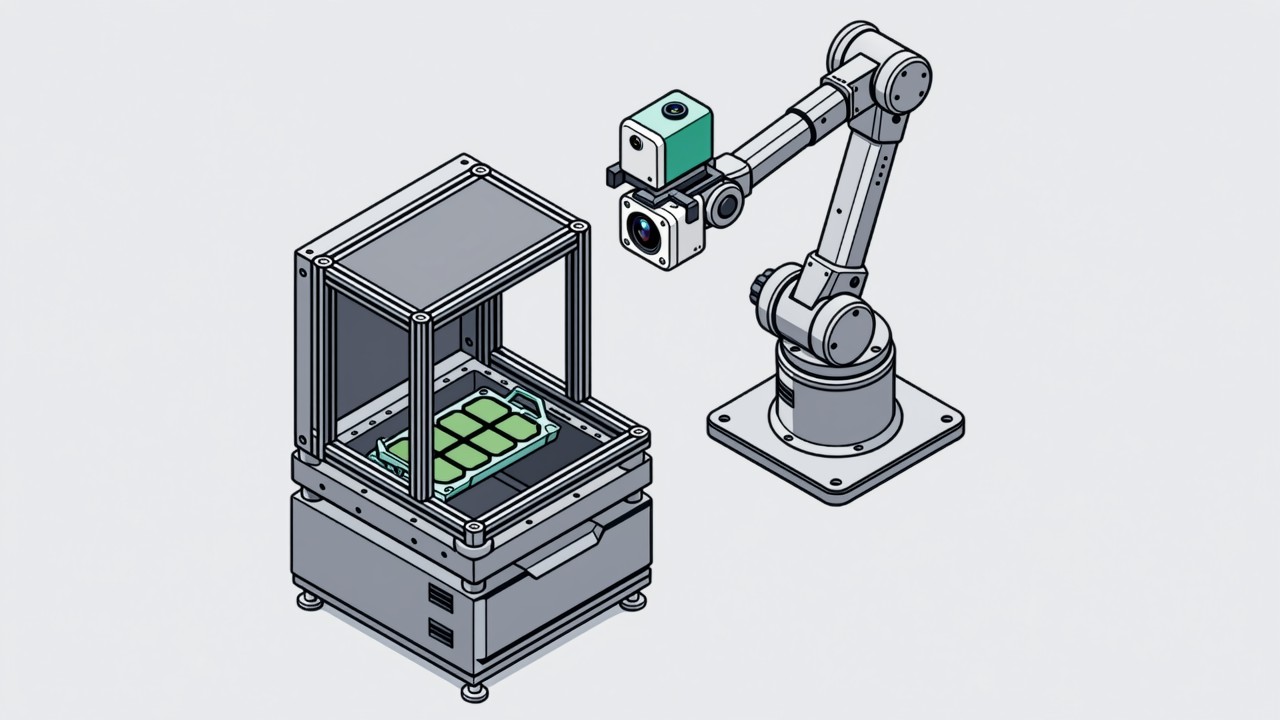
Semiconductor
Semiconductor packaging has a long process chain, fast station cycle t…
Read more →
Want to see how this capability fits your line?
We provide on-site feasibility assessment, pilot deployment and complete MES integration.
Request a free trial plan