
Alarm Fatigue: The Most Common Way a Visual SOP Project Dies
Many visual SOP systems are not beaten by technical problems — they are muted by the floor. Once alarm fatigue sets in, no algorithm is accurate enough to produce value. It is fundamentally an organisational and design problem.
Key takeaways
- Alarm fatigue follows a path: too many false alarms, alarms ignored, system muted, project in name only.
- Who receives the alarm, how often, and what follows it together determine whether the floor takes it seriously.
- Tying alarms directly to performance review invites gaming, and is the practice that needs the most caution.
- A gradual rollout — monitor, then prompt, then block — is the effective rhythm for avoiding fatigue.
The path from go-live to irrelevance tends to run like this: everyone is interested in week one, complaints about the noise start in week two, the team leader turns the volume down in week three, a month later the system only logs in the background, and after three months nobody looks at it. The pilot plan is where that drift can be caught early. The path itself has very little to do with how accurate the algorithm is. It is set by the way the alarms are designed.
Three factors that decide whether an alarm is taken seriously
- Who receives it. An alarm that points straight at an individual invites resistance; one that goes to the team or the quality role for improvement is noticeably better received. Settle this at design stage.
- How often it fires. Ten alarms an hour will certainly be ignored. The workable benchmark is a frequency the floor can actually review and act on, one by one.
- What follows it. An alarm only means something if something happens next — rework, a stop-and-confirm, a post-shift review. If nothing happens after an alarm, people stop paying attention quickly.
The three stages of a gradual rollout
A rhythm that builds trust on the floor
- Monitor mode (weeks 1–2)
Record only, no alarms. Use real data to see how false alarms distribute and adjust the rules one by one. The floor feels no pressure and resistance is minimal.
- Prompt mode (weeks 2–4)
Switch on station-side prompts, but let the operator acknowledge and dismiss them. The point is for staff to understand the system is helping them catch a missed step in time, not watching them.
- Blocking mode (once stable)
For operations where a mistake has serious consequences — safety parts, non-reworkable work — enable a hard block. Enable it on a small number of operations only, so the alarm stays rare.
For the detailed methods of alarm design, see wrong-assembly alarms without the false alarms, which sets out six specific practices for controlling false positives.
Reading the floor before the alarms are switched on
Alarm fatigue rarely announces itself. It shows up as small, reasonable-sounding requests: can the sound be turned down, can this station be excluded, can the rule be loosened just for the night shift. Each one is easy to grant and each one moves the system a little further from doing its job. The countermeasure is to treat the first two weeks as a listening exercise and to separate the complaints that point at bad rules from those that point at a bad introduction. The second kind is an organisational problem, not a tuning problem, and it is covered under operator resistance.
- Complaint about a specific rule — a tuning signal, fixed with thresholds and whitelists as described under false alarm reduction.
- Complaint about being watched — an introduction problem. Reframe what is recorded and who sees it.
- Complaint about added work — a workflow problem. If acknowledging an alarm costs time, the alarm design is wrong.
- Silence — the most worrying signal of all. No feedback usually means the floor has already decided the system is not worth arguing with.
Common questions about alarm design
Will alarm sounds disturb the plant?
Prefer a station display or a signal light over sound. Sound carries poorly in a noisy plant and tends to irritate everyone.
What if operators deliberately obscure the camera?
First, avoid a mounting position that creates an obvious sense of being watched, and second, position the system as help rather than blame. Deliberate avoidance usually signals that the management message needs adjusting, not that tamper-proofing needs adding.
Will team leaders resist a new system?
If it adds work without giving them anything back, resistance is natural. Involve them in confirming the detection rules, and make the system produce station data that is useful for their own team.
Worried the floor will resist a new system?
We can share the gradual rollout rhythm and messaging other customers have used.
Related articles
-
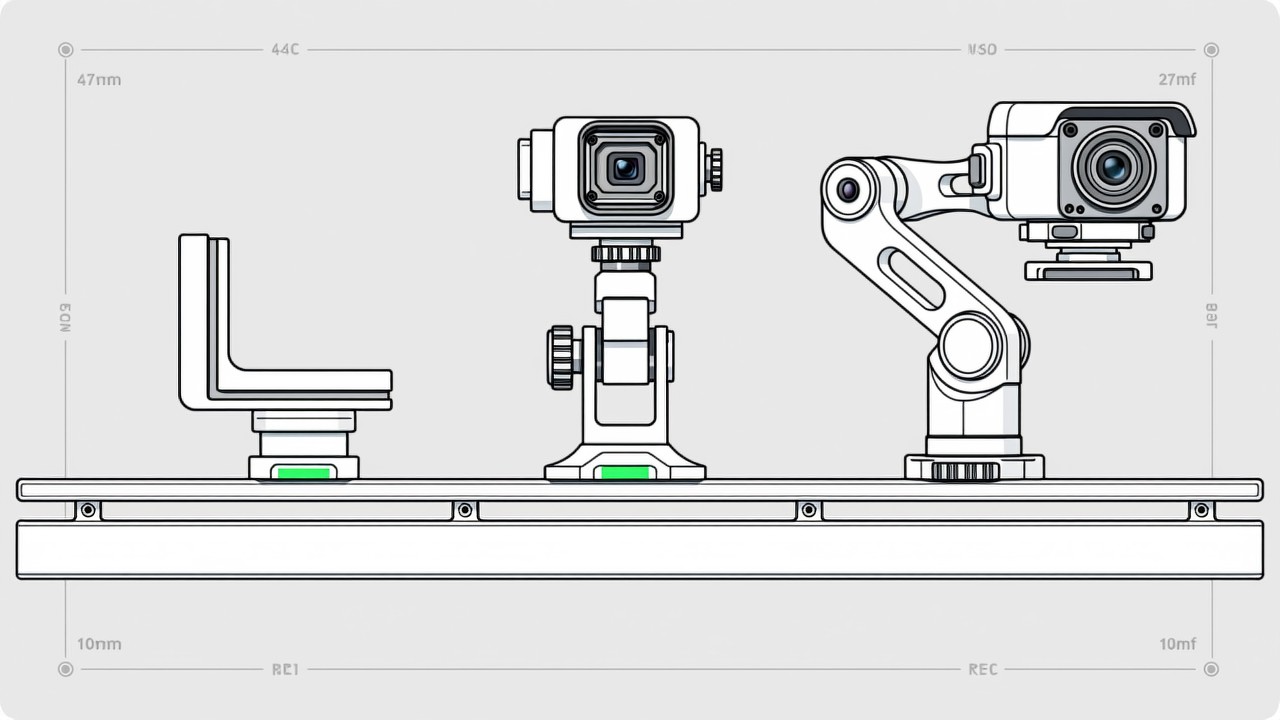
Visual SOP Camera Selection and Mounting
Camera selection for visual SOP is not the same as for product inspection. The s…
Read more → -
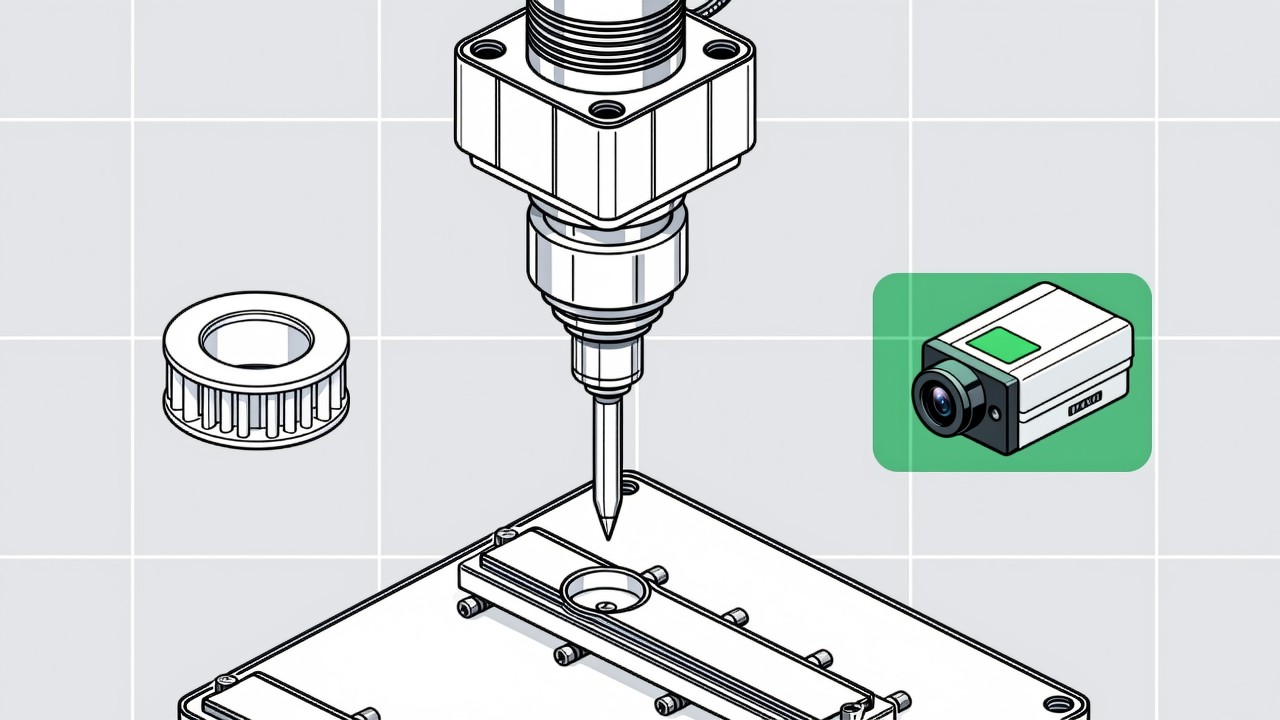
Vision Monitoring at the Semiconductor Die Bonder
Semiconductor packaging stations are characterised by high precision, fast cycle…
Read more → -
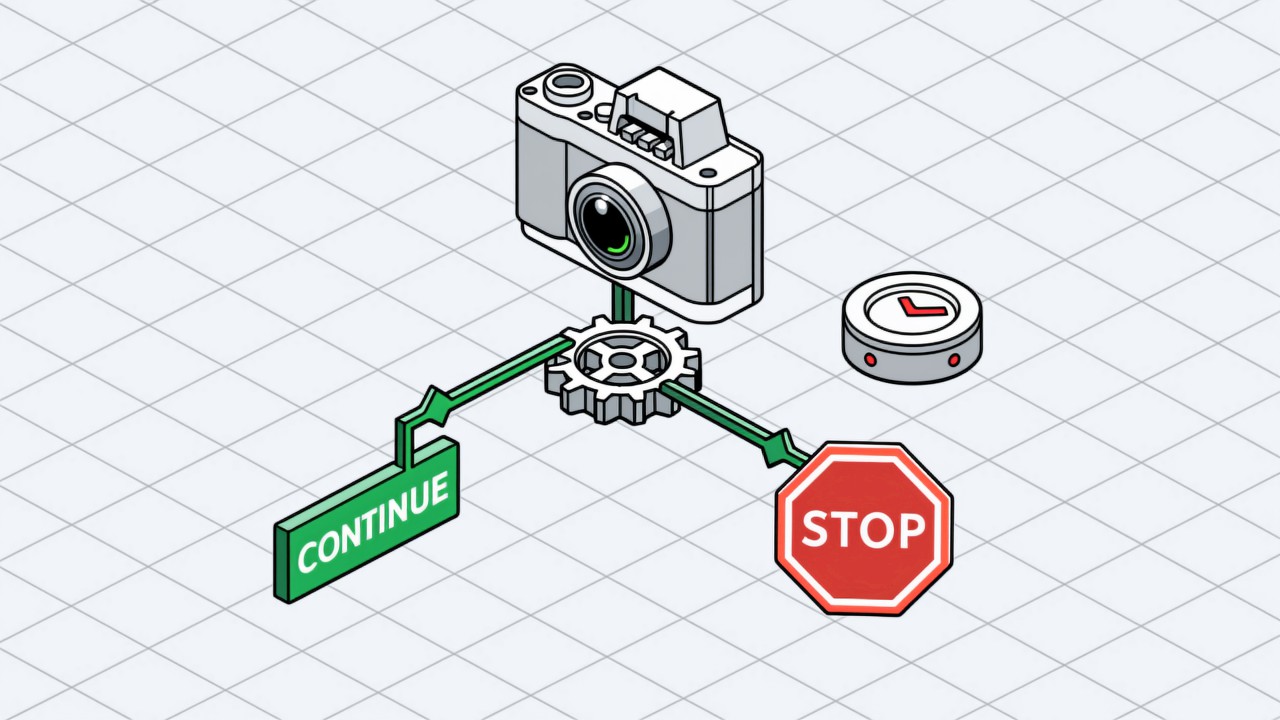
Wrong-Assembly Alarms Without the False Alarms
The most common reason a visual SOP project fails is not poor recognition — it i…
Read more → -
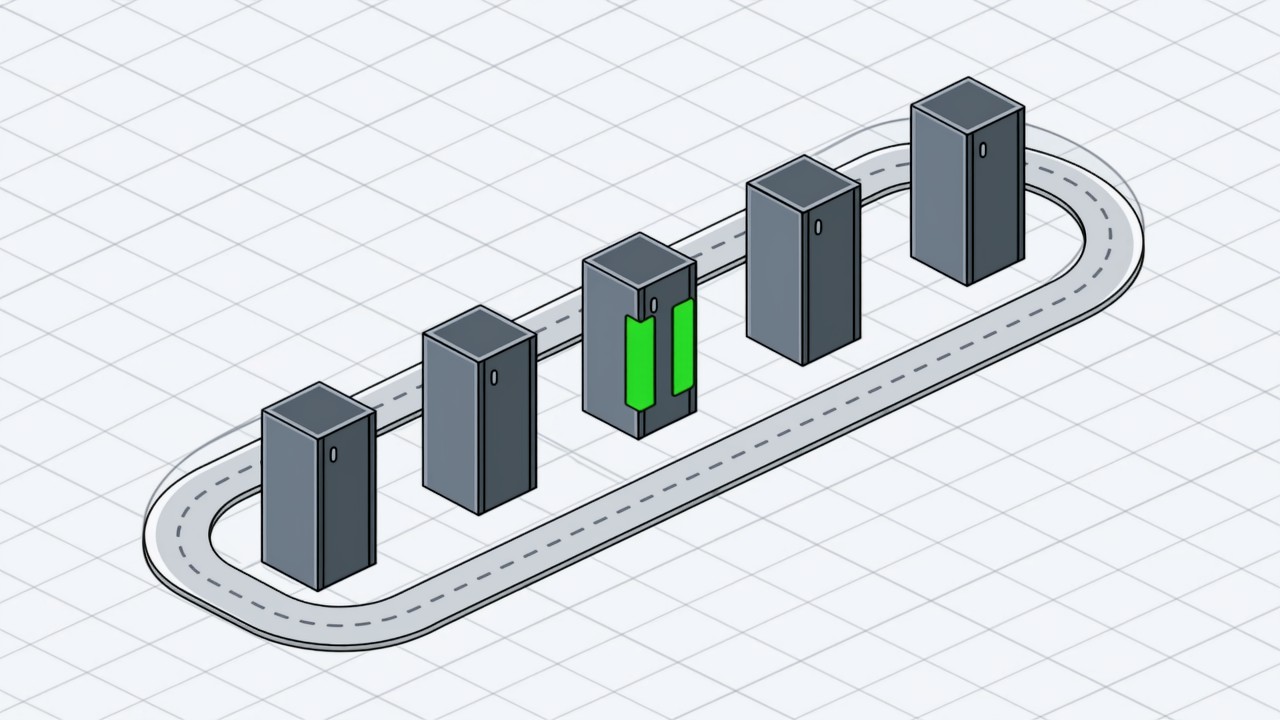
Preventing Skipped Steps in Production
A skipped step and a missing operation are different problems. In a skipped step…
Read more →
Need specific advice for your production line?
Our engineers can share practical approaches to process error prevention and SOP compliance inspection for your scenario.
Request a free trial plan