
Visual AI SOP for Small Appliance Assembly Lines
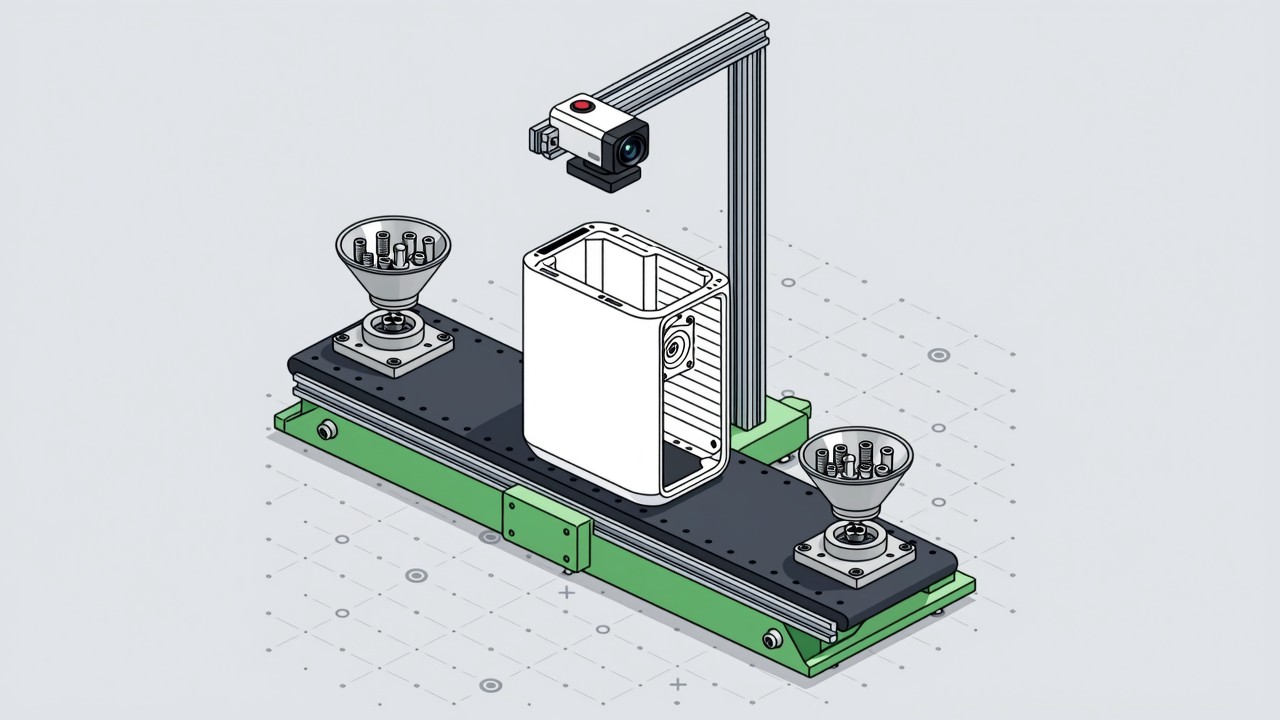
A significant share of small-appliance field failures are not failed components but missing parts and incomplete assembly - a forgotten seal ring, tubing not pushed fully home and a harness not seated in its channel. These look normal on the line yet turn into leaks, noise or short circuits after a few weeks of use. Our system checks assembly and test stations visually, blocking these defects before the product leaves the factory.
Key takeaways
- Seals and fittings anti-omission: direct presence check for seal rings, washers, filter cartridges and clips.
- Tubing fully connected: verifies hose insertion depth and clamp position to prevent partially seated joints that leak.
- Harness routing compliance: checks that harnesses are seated in their channels and clear of moving parts.
- Test station compliance: confirms that powered and pressure tests were performed and completed item by item.
- Warranty-cost driven: starting from warranty claim data for missing small parts gives the easiest return to quantify.
Small appliances have thin per-unit margins and high warranty costs. A seal ring worth a few cents left out can trigger a whole-unit repair, two-way freight and a customer complaint. And the defect is almost invisible on the line: the assembly looks normal and the powered test may pass, and it only shows up once the customer runs water through the unit or uses it for a while.
This is the scenario where Visual AI SOP gives the clearest return: count last year's warranty repairs caused by missing parts and the cost of each, then reduce the missing-part rate at the corresponding stations, and the saving can be compared directly with the deployment cost. See our article on pilot planning for how to scope it, the Visual AI SOP System for the platform, and how the same check works on 3C electronics assembly.
High-Frequency Missing Points and How They Are Monitored
| Product / operation | Parts easily missed | Monitoring method |
|---|---|---|
| Water filter cartridge assembly | Seal ring, O-ring, cartridge orientation | Presence and orientation check |
| Water filter tubing connection | Hose insertion depth, clamp | Insertion depth and clamp position check |
| Washing machine drum assembly | Counterweight, damper, connecting bolts | Count and seating check |
| Air conditioner outdoor unit | Pipe insulation, harness fixing, valve protective caps | Insulation coverage and fixing state check |
| General electrical assembly | Harness seated in channel, earth wire connection | Routing compliance and connection presence check |
| Whole-unit test | Powered test, pressure / leak test execution | Test action and item completeness check |
Working Back from Warranty Data to Target Stations
- Pull the last 12 months of warranty repair records, group them by failure symptom, and isolate the 'missing part / not connected / not fully seated' category.
- Map each failure symptom to a specific station and operation, and count the repairs attributable to each station.
- Rank by repairs times cost per repair, and pick the top one or two stations as the pilot.
- After deployment, re-measure with the same warranty definition to produce a quantified result.
- Once the result is proven, replicate to the other high-frequency stations.
What the Check Can and Cannot Guarantee
A presence check answers a narrower question than people expect: it confirms that the seal ring is fitted, correctly oriented and seated, not that the joint will hold under pressure. Leak and powered tests stay where they are, and the system's contribution there is to confirm that the test was actually run, item by item. Getting that scope wrong in either direction is a common source of trouble on the floor, discussed in false alarm reduction.
- Deep cavities and transparent housings hide the internal state; those stations may need multi-angle fill light, or relocation to a point where the view is more open.
- It does not measure sealing performance, electrical safety or noise; those remain with the test stations and the laboratory.
- Preconditions: a mapping from warranty symptoms to stations, and a station-level definition of what correctly fitted means for each part.
- A part that is visually identical to the wrong part cannot be told apart by vision; a barcode or a feeder check has to cover that gap.
Small appliance questions we hear most
The product range is long - does every model need its own build?
Not model by model. The recognition model is shared across the same process type, a seal ring fitting for example; the main difference between models is position parameters, which are configured.
Operators assemble by hand and their motions vary - does that affect the verdict?
The judgement target is whether the part is fitted and fully seated, not whether the posture is textbook. Differences in technique do not affect the presence check.
How do we make the investment case persuasive?
Use warranty claim data as the baseline: count the annual repairs and per-unit cost for failures linked to that station, and compare with deployment and maintenance cost. That is the calculation management accepts most readily.
Assess your small appliance assembly workstation
Tell us your workstation layout, cycle time and the process that causes the most trouble today, and we will recommend camera options and a pilot workstation.
Other industry solutions
-
Textile
Textile and apparel work splits into very fine operations and changes …
Read more → -
Food Processing
Food process management has two hard constraints: food safety audits d…
Read more → -
3C Electronics
3C assembly is characterised by many small parts, many screws, tight t…
Read more → -
Auto Parts
The typical auto parts plant runs high variety, low volume and fast ch…
Read more → -
Automotive Assembly
Final assembly is where carmakers have the densest concentration of op…
Read more → -
Semiconductor
Semiconductor packaging has a long process chain, fast station cycle t…
Read more →
Related products & capabilities
-
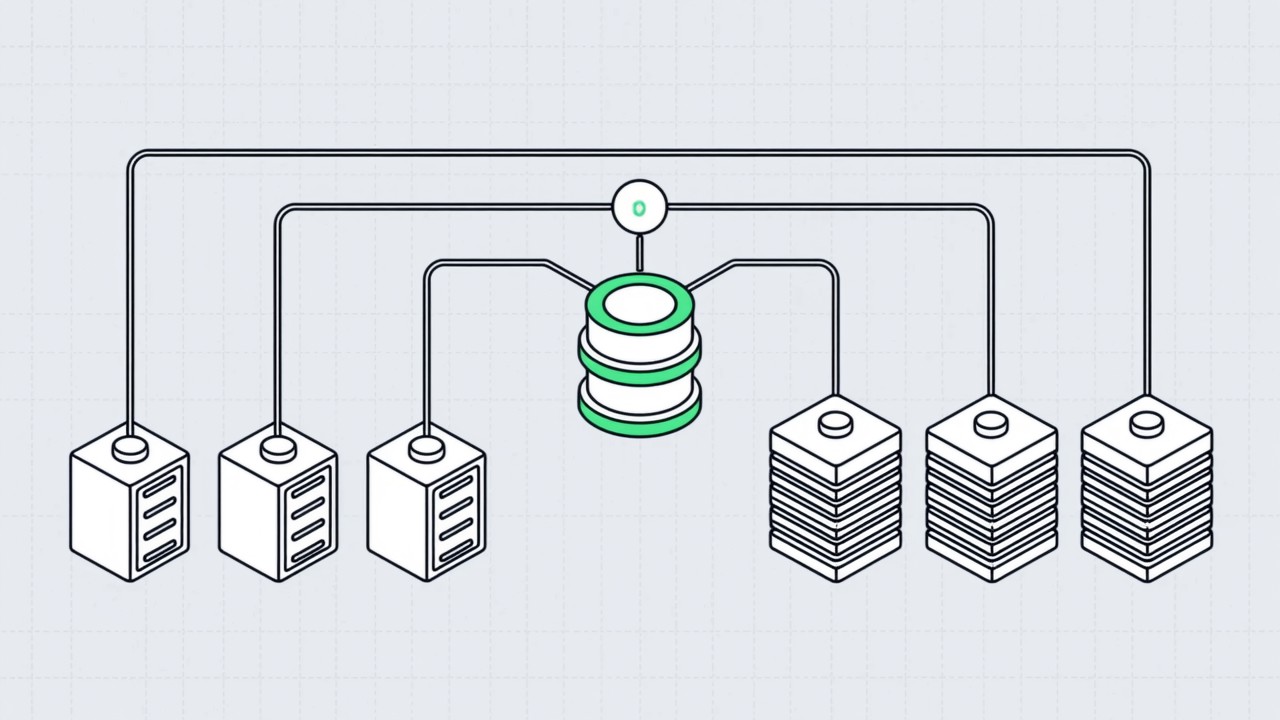
MES Integration
Run standalone, a visual SOP system only solves on-the-spot blocking. …
Read more → -
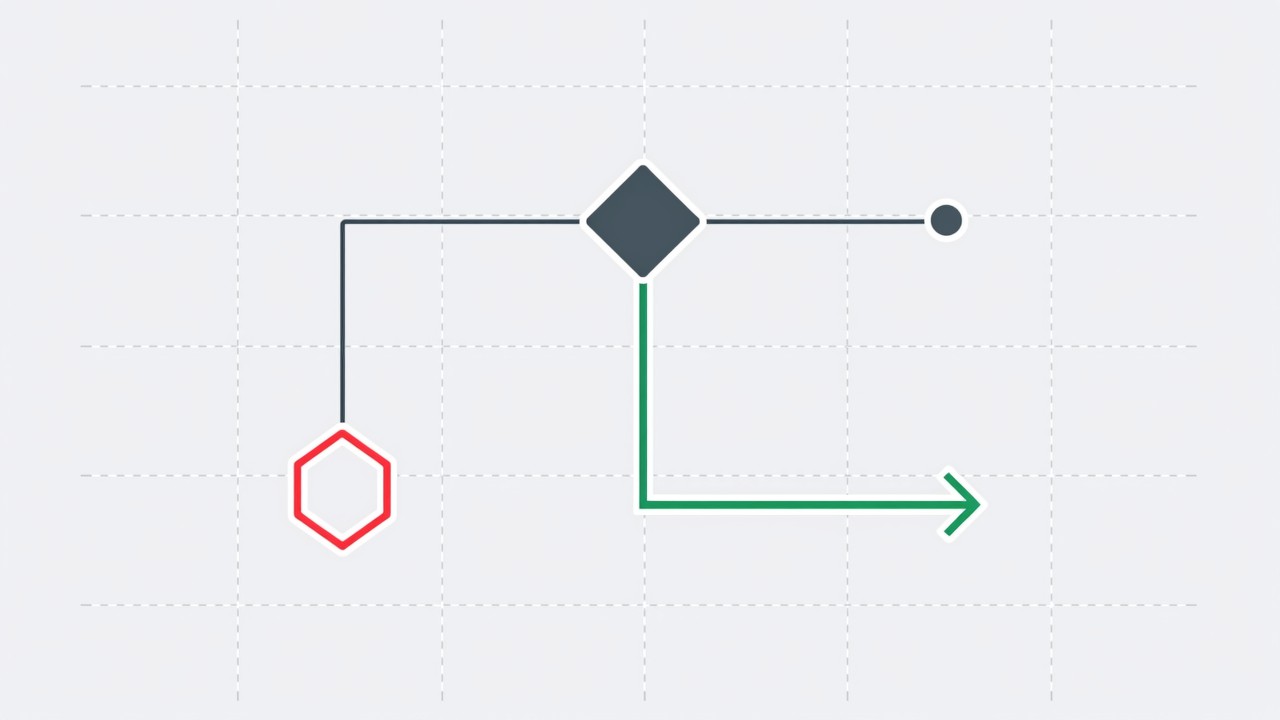
Error Prevention
The point of poka-yoke is to make an error impossible, or to catch it …
Read more → -
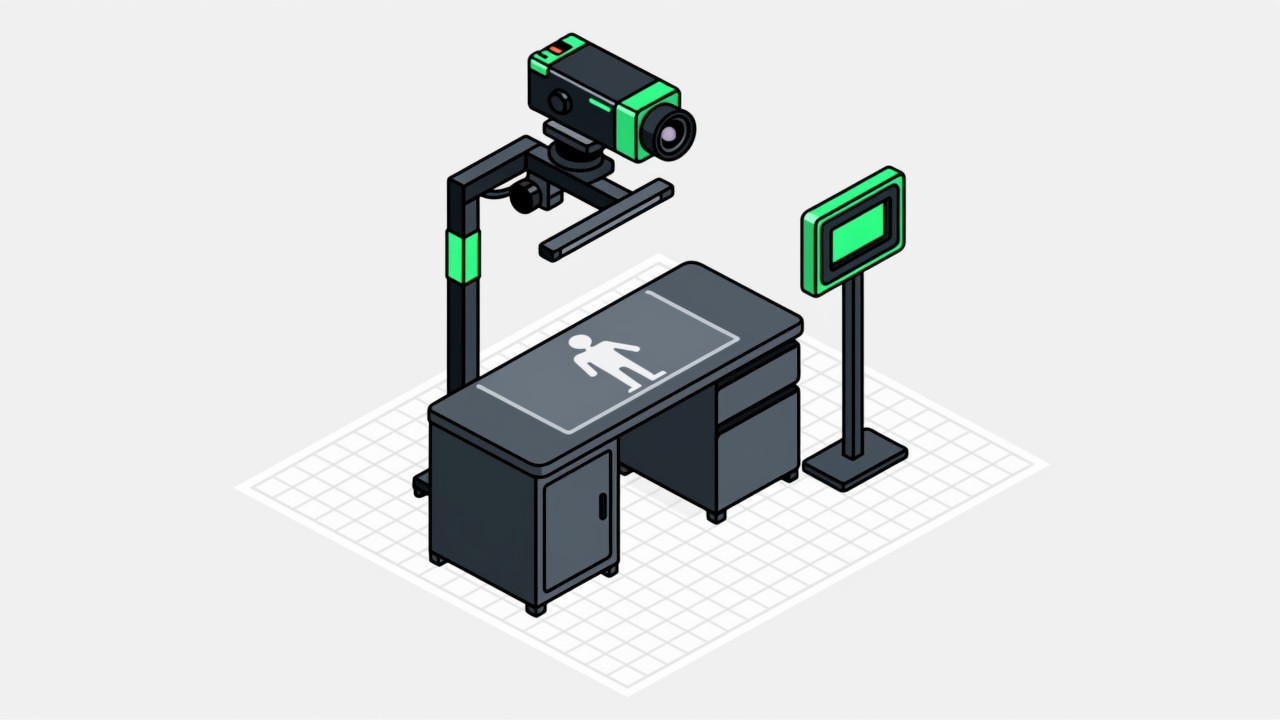
Workstation Monitoring
The workstation is the smallest unit of SOP execution. We turn the vid…
Read more → -
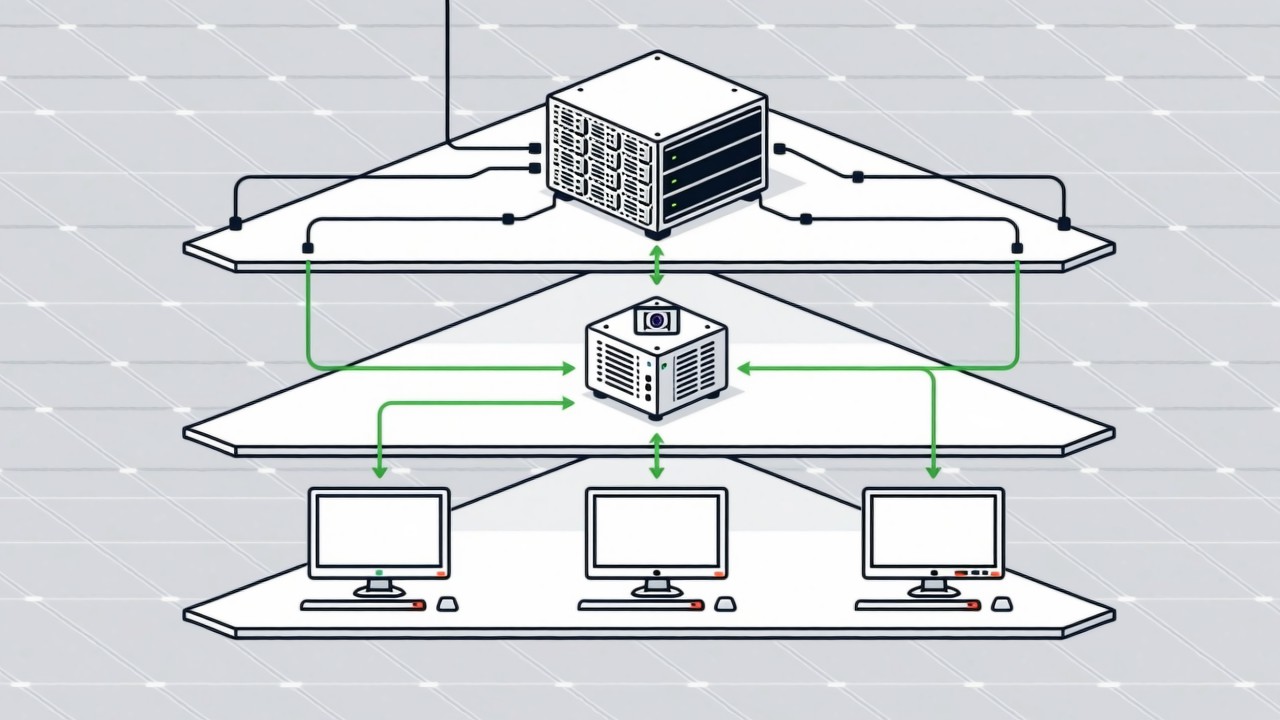
Visual AI SOP System
The Intsoft Visual AI SOP System is built in four layers: workstation …
Read more →
Does your industry face similar process problems?
Tell us your workstation scenario and process pain points, and we will tailor a solution based on cases already delivered in your industry.
Request a free trial plan