
Visual AI SOP for Auto Parts Production Lines
The typical auto parts plant runs high variety, low volume and fast changeovers on mixed lines. A single shift may switch between a dozen part numbers, and a process card hanging at the station is no guarantee the right page is turned. Our system loads the process requirements for the current part number automatically, uses machine vision to check that the physical assembly matches that part number's SOP, and archives the process records for customer audits.
Key takeaways
- Changeover means changing rules: the operation sequence for the current part number loads automatically, so nobody turns to the wrong process card.
- Harness-ready: recognises wire colours, connector positions and routing to verify full insertion and correct wire order.
- Chassis parts anti-omission: confirms the presence of bolts, washers and retaining clips.
- Customer audit support: process records export by part number and lot for OEM process audits.
- Multi-part mixed lines: one station can hold several rule sets and switch by production order.
The most common problem at an auto parts plant is not that the team cannot do the job, but that the wrong variant gets built without anyone noticing. The same station may run part number A in the morning and switch to part number B in the afternoon, with different bolt counts, different washers and a different harness routing. If the changeover is not carried through, bad parts are built by the batch and are typically only caught at the customer's incoming inspection, which is expensive.
Visual AI SOP makes the acceptance criteria follow the production order: MES issues the current part number, the system loads that part number's operation sequence and assembly requirements, and the camera checks that the physical assembly agrees. People change over, and so does the system's standard. The interception logic is described in our article on wrong assembly alarms and in the error prevention capability, which works the same way on automotive final assembly.
Typical Products and Monitoring Points
| Product type | Monitored content | Exceptions prevented |
|---|---|---|
| Wiring harnesses | Connector insertion, wire colour order, routing fixation, clip securing | Not inserted home, wrong wire order, missing clip |
| Chassis components | Presence of bolts, washers and retaining clips; assembly order | Washer omitted, bolt missed, order reversed |
| Injection-molded assemblies | Insert placement, welding or ultrasonic action, appearance confirmation | Insert omitted, weld missed, appearance check skipped |
| Stamped and welded parts | Number of weld points, fixture use, inspection actions | Weld point missed, inspection skipped |
| Interior trim parts | Clip assembly, foam bonding, trim strip fitting | Clip omitted, foam pad missed |
Why Harness Assembly Suits Visual Monitoring
- The consequences of a harness error are severe: a connector that is not fully seated causes intermittent contact that often only appears during a road test or in the field.
- Wire colour and connector position are highly distinctive visual features, and machine consistency is far higher than the human eye.
- The harness board is a relatively fixed station with controllable imaging conditions, so deployment costs less than on a final assembly line.
- The verdict can generate a harness assembly record directly, which satisfies OEM traceability requirements for safety-critical parts.
Where the Approach Reaches Its Limits
The method is strongest on operations with a visible, repeatable result, and weakest where the result is hidden or the tolerance is finer than the imaging resolution. Scoping that honestly at the start is what makes a pilot succeed, and the questions to ask are collected in the visual SOP selection checklist.
- A connector held under the operator's hand for the whole insertion cannot be confirmed from a single view; the verdict then has to come from an end-of-action frame.
- Parts that are fully opaque and unmarked, with no distinctive feature to key on, are poor targets.
- It is not a dimensional gauge: gap, flush and electrical continuity remain with the corresponding test equipment.
- Changeover accuracy depends on a part-number signal from MES or the work order; manual entry is a known source of the wrong rule set being loaded.
Auto parts questions we hear most
A station switches between a dozen part numbers a day - can the rules be maintained?
Rules are maintained per part number, and products in the same family usually only need quantities and presence flags adjusted, so a template can be copied and tweaked. The real workload is far smaller than rewriting every rule from scratch.
The OEM wants process records - can the system export them?
Yes. Process records can be exported by part number, lot and time range, with timestamps and station information, and the format can be mapped to the field requirements of the OEM's audit form.
A harness is flexible and a different shape every time - can it be recognised?
The targets are rigid features such as connector position, wire colour and clips, not the shape of the whole harness. As long as those features are visible in the field of view, flexible deformation does not affect the verdict.
Assess your auto parts assembly workstation
Tell us your workstation layout, cycle time and the process that causes the most trouble today, and we will recommend camera options and a pilot workstation.
Other industry solutions
-
Textile
Textile and apparel work splits into very fine operations and changes …
Read more → -
Food Processing
Food process management has two hard constraints: food safety audits d…
Read more → -
Small Appliances
A significant share of small-appliance field failures are not failed c…
Read more → -
3C Electronics
3C assembly is characterised by many small parts, many screws, tight t…
Read more → -
Automotive Assembly
Final assembly is where carmakers have the densest concentration of op…
Read more → -
Semiconductor
Semiconductor packaging has a long process chain, fast station cycle t…
Read more →
Related products & capabilities
-
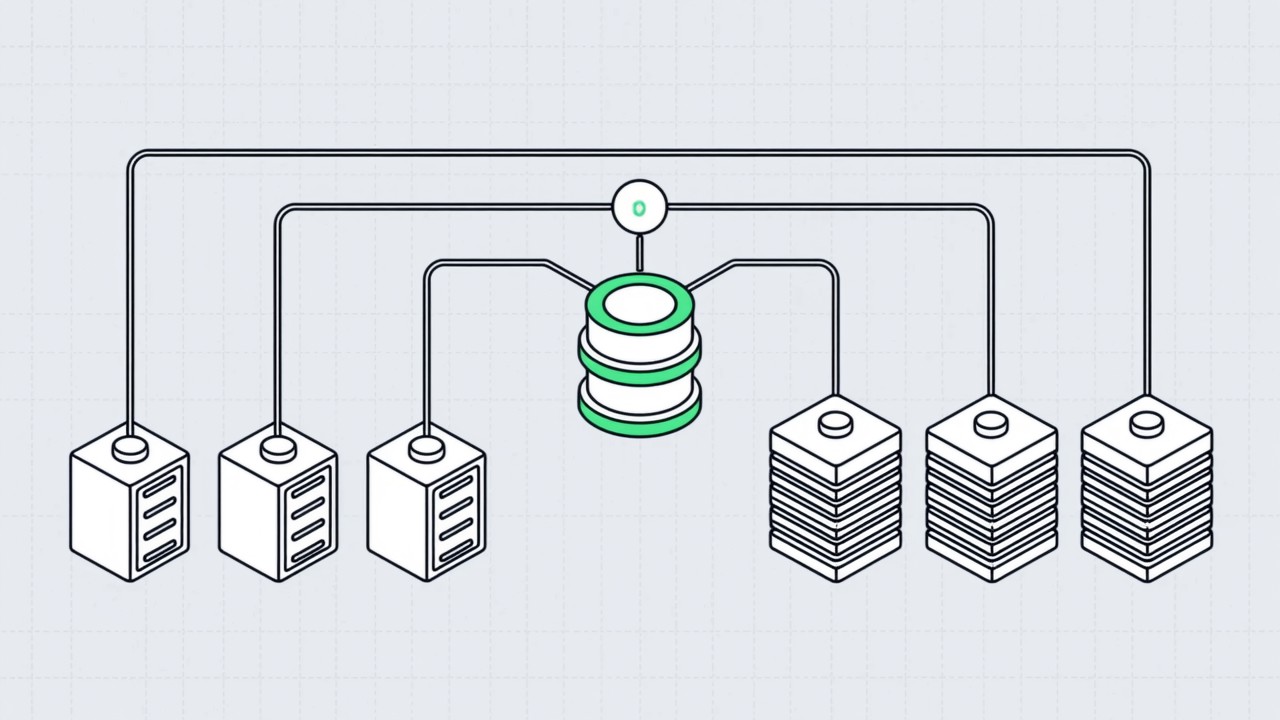
MES Integration
Run standalone, a visual SOP system only solves on-the-spot blocking. …
Read more → -
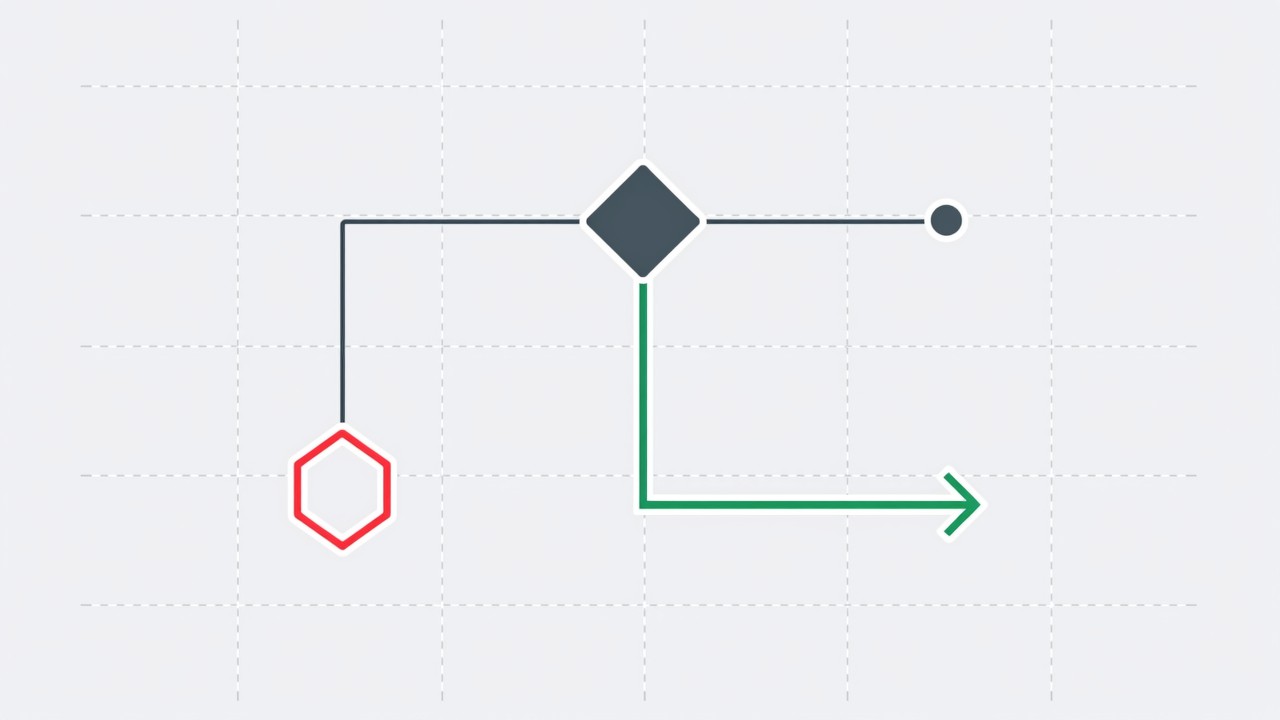
Error Prevention
The point of poka-yoke is to make an error impossible, or to catch it …
Read more → -
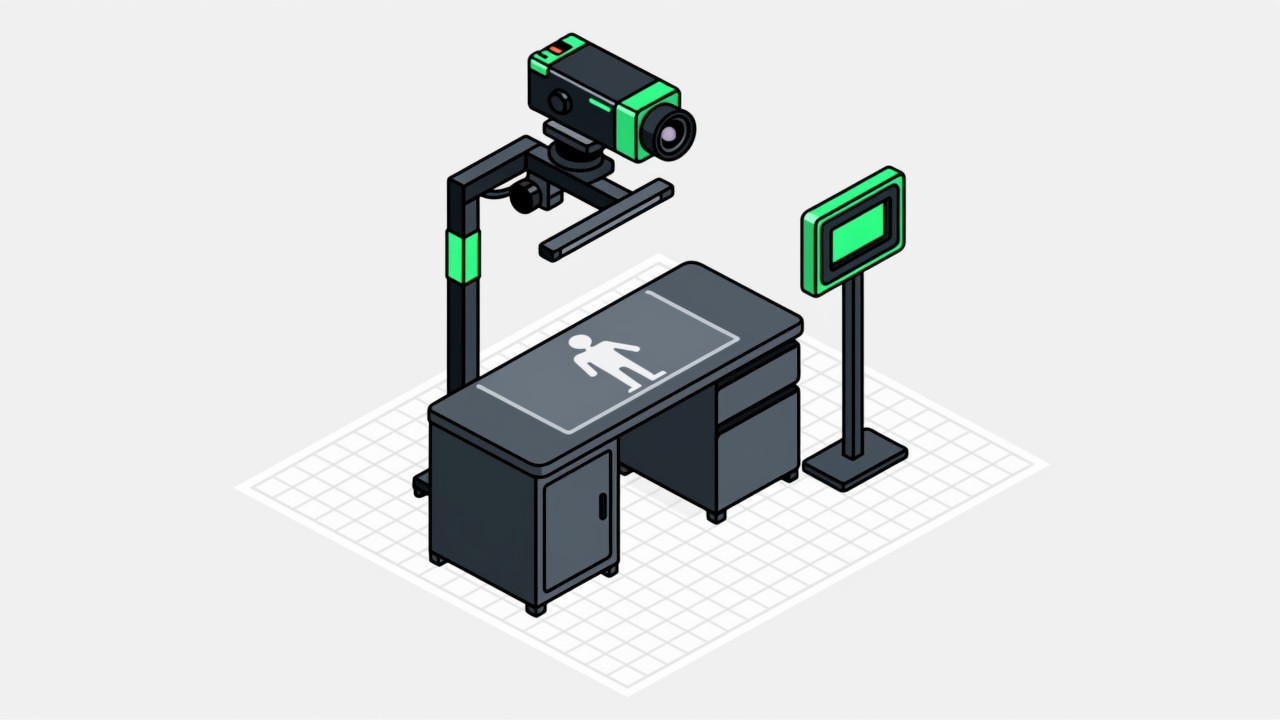
Workstation Monitoring
The workstation is the smallest unit of SOP execution. We turn the vid…
Read more → -
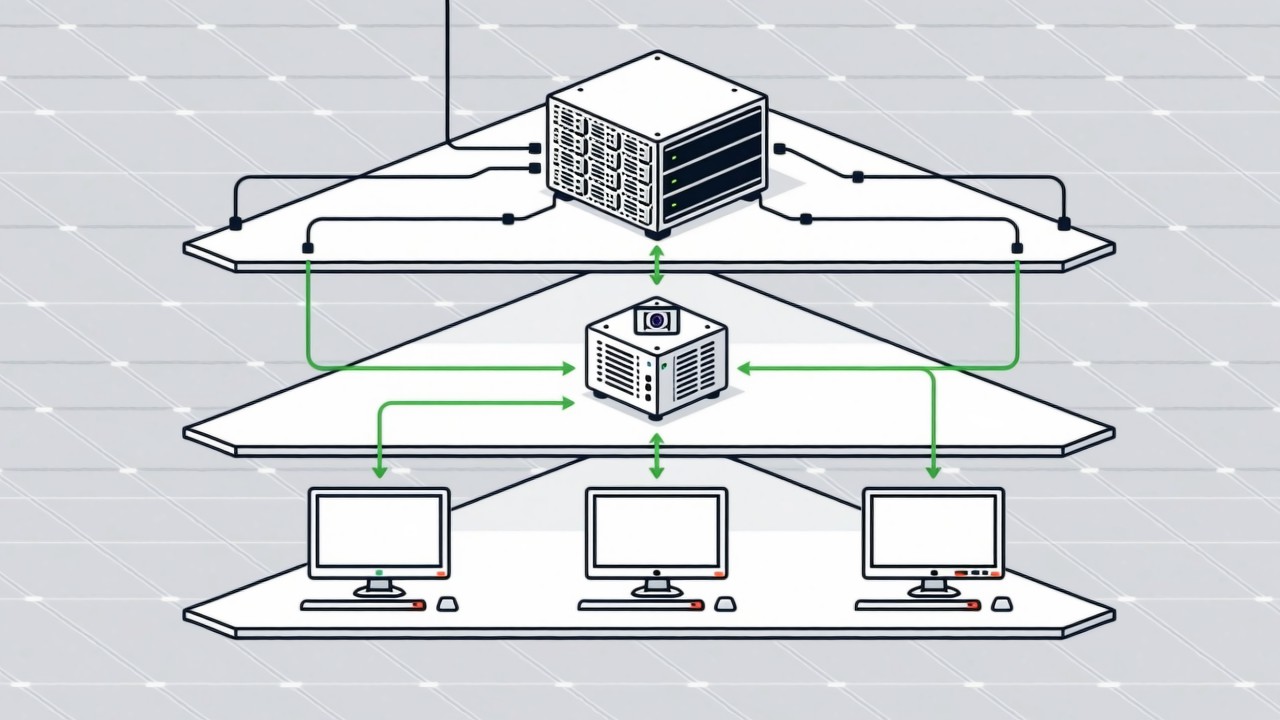
Visual AI SOP System
The Intsoft Visual AI SOP System is built in four layers: workstation …
Read more →
Does your industry face similar process problems?
Tell us your workstation scenario and process pain points, and we will tailor a solution based on cases already delivered in your industry.
Request a free trial plan