
AOI and Visual SOP: One Checks the Product, One Checks the Process
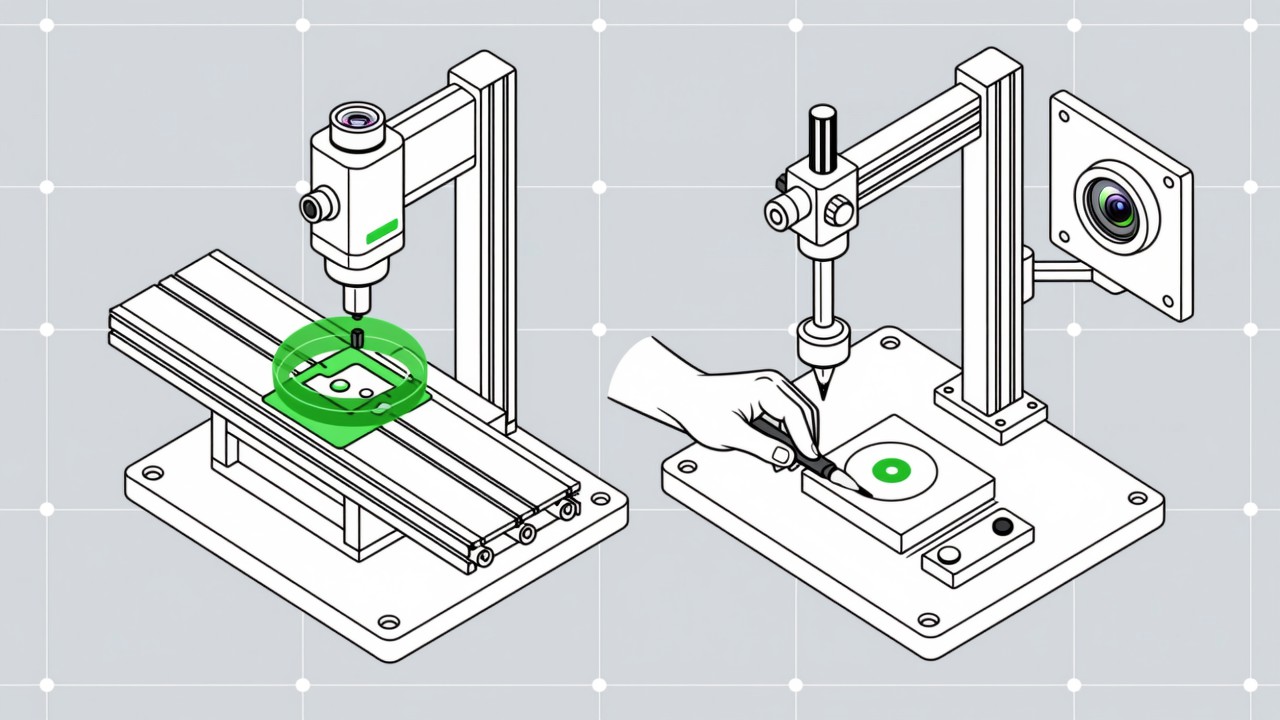
Both systems are called vision, but they answer completely different questions. AOI answers whether the product is good; visual SOP answers whether the person followed the procedure. Understanding the distinction is what tells you which one your problem needs — and how the two work together.
Key takeaways
- AOI inspects the result (product state); visual SOP inspects the process (working behaviour).
- AOI sits at the end of a process or at a dedicated inspection station; visual SOP sits at the station where the work is done.
- AOI finds the defect; visual SOP finds the cause of the defect.
- Only together do they form a complete chain from problem occurring to cause located.
Clients often ask whether they still need visual SOP when they already have AOI. The question itself shows how easily the two get confused. AOI is result inspection, visual SOP is process inspection. They answer two different questions. If it is the second question you are trying to answer, the starting point is the visual AI SOP system rather than another inspection station.
Item by item
| Dimension | AOI | Visual AI SOP |
|---|---|---|
| Subject | The product itself (appearance, defects, dimensions) | The working process (actions, operations, sequence) |
| Question answered | Is the product acceptable? | Did the person follow the procedure? |
| Position | End of process or a dedicated inspection station | At the station where the operation is performed |
| Basis for judgement | Comparison with a known-good sample or defect signature | Comparison with the standard operating procedure |
| Output | Pass / fail, with defect type | Operation performed / missed / out of sequence |
| When it detects | After the product is complete | At the moment the operation happens |
| Main value | Stops defective units escaping | Locates the cause and prevents recurrence |
Why the two need each other
AOI tells you there are defective units in the batch, but usually cannot tell you why. Was it incoming material, an equipment parameter drifting, or an operator who skipped an operation? If the answer is the third and the line has no process monitoring, the defect will keep recurring, because nobody knows where the cause is.
Conversely, visual SOP records how each operation was executed, so when AOI finds a defect you can go straight to that unit’s process history: was this operation done, when, and in the right order. AOI locates the defective product, visual SOP locates the defective operation — together they close the loop. The integration approach is covered under visual SOP to MES traceability, and the record format under turning visual SOP data into quality records.
Where the two overlap, and where they must not
It is tempting to ask one system to do both jobs, and it is worth understanding why that usually disappoints. AOI is tuned to resolve fine product detail and often runs on a dedicated platform with its own optics and handling; visual SOP is tuned to recognise actions at a working station, where the field of view is wider and the subject is a person and a part in motion. Forcing one camera to serve both tends to produce a compromise that is mediocre at each. Where the two genuinely overlap is at the data layer, and that is the layer worth investing in — the records join cleanly by serial number even when the hardware stays separate.
A related confusion is worth clearing up while the subject is open: process monitoring is not the same as an electronic work instruction. A digital instruction tells an operator what to do; process monitoring checks whether it was done. The difference is set out under visual SOP versus electronic SOP. The judgment logic that turns an observation into a pass or fail is described under visual SOP error-proofing.
Common questions about the relationship
Can visual SOP replace AOI?
No, and it should not. Visual SOP judges working behaviour and does not have the capability or precision for cosmetic defect detection. The two are complementary.
Can existing AOI cameras be reused?
Usually not. The mounting position, field of view and lighting of an AOI are designed for product inspection and do not suit station action monitoring. In a few cases a station can share a mounting point, but the imaging conditions have to be reassessed.
Can the two sets of data be joined?
Yes, by product serial number. Linking AOI defect records with the visual SOP process history lets you see the complete process data for that unit.
Not sure which system you need first?
Describe how your quality problem currently shows up and we can advise.
Related articles
-
Alarm Fatigue: Why the Floor Turns the System Off
Many visual SOP systems are not beaten by technical problems — they are muted by…
Read more → -
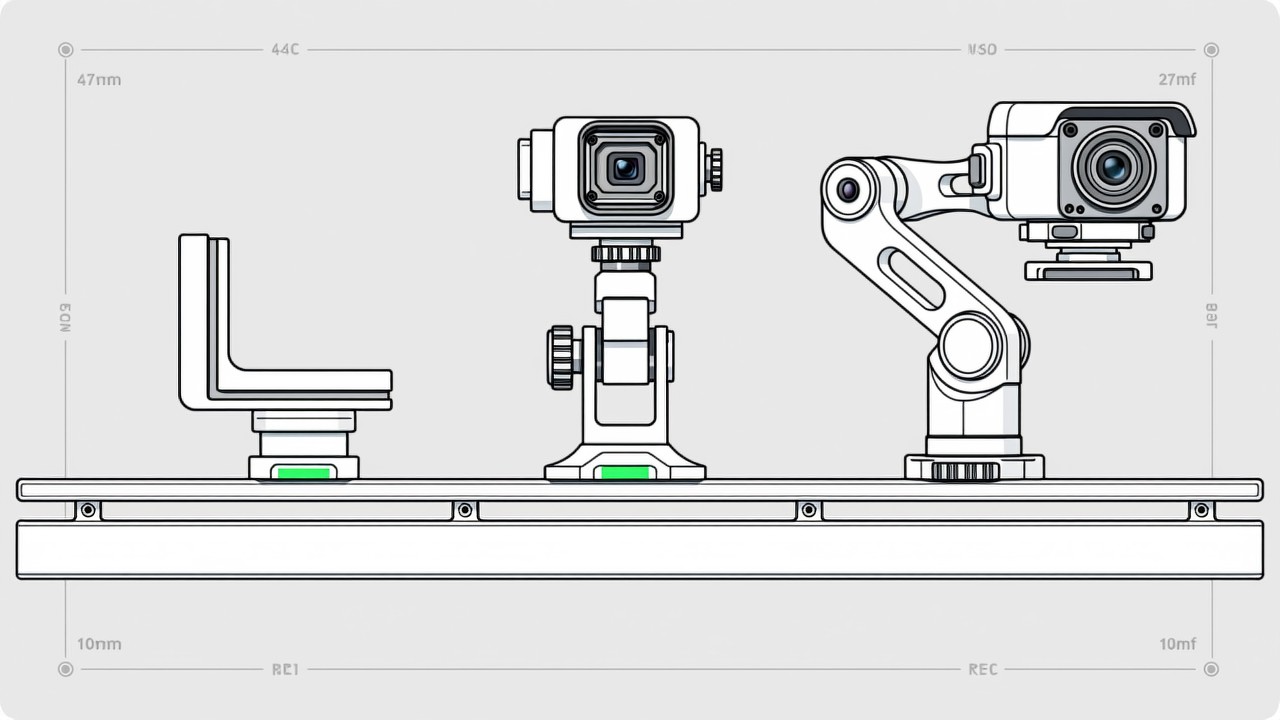
Visual SOP Camera Selection and Mounting
Camera selection for visual SOP is not the same as for product inspection. The s…
Read more → -
Vision Monitoring at the Semiconductor Die Bonder
Semiconductor packaging stations are characterised by high precision, fast cycle…
Read more → -
Wrong-Assembly Alarms Without the False Alarms
The most common reason a visual SOP project fails is not poor recognition — it i…
Read more →
Need specific advice for your production line?
Our engineers can share practical approaches to process error prevention and SOP compliance inspection for your scenario.
Request a free trial plan