
From Recognition Data to Quality Record: Designing the Visual SOP Data Path
The recognition results a vision system produces every second are not quality records in themselves. To become traceable, auditable data they have to go through four steps: linked to a product, stored in a structured form, retained in tiers, and access-controlled.

Key takeaways
- A recognition result only has traceability value once it is linked to a product serial number.
- Normal and exception records should have different retention strategies — the first long-term, the second detailed.
- Image data is far larger than structured data and needs its own retention design.
- Data access rights should be settled during design, especially where footage of people is involved.
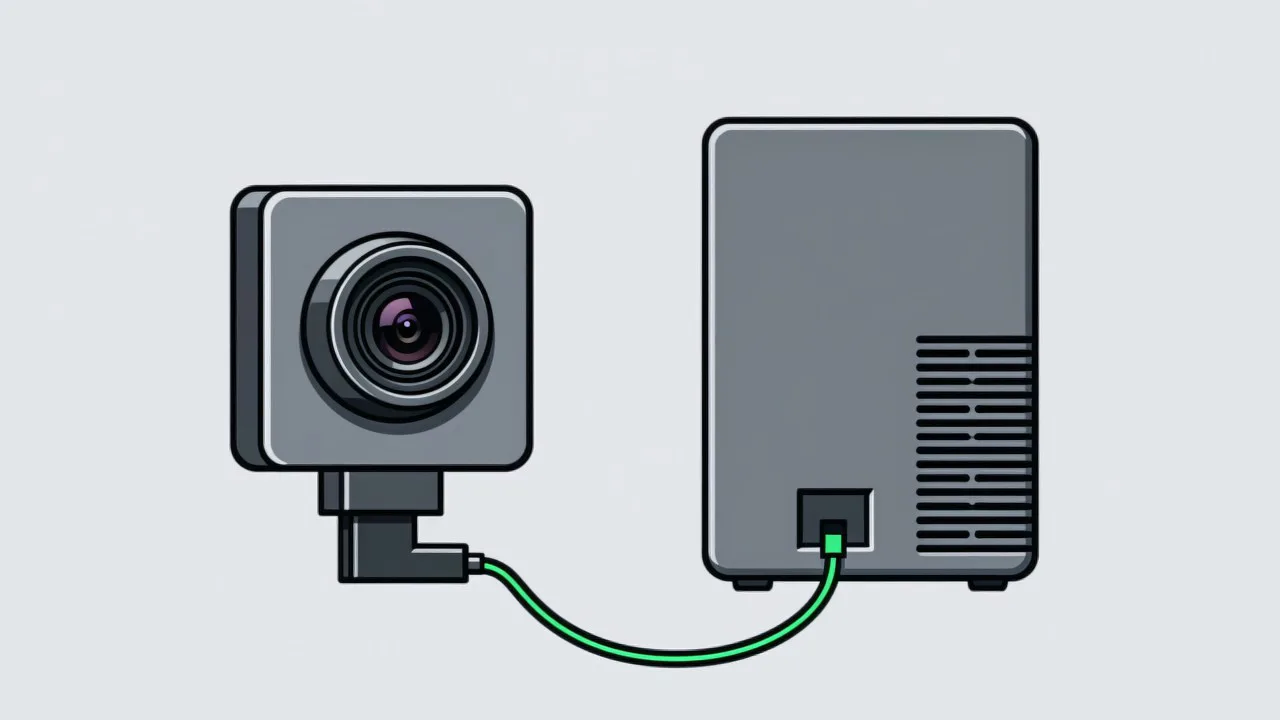
Many projects go live with everything working, and then later, when someone looks back at the data, it turns out to be unusable: records scattered across local storage at each station, not linked to any product, and a single historical lookup taking days. The problem is not the recognition. It is the design of the data path. The connection layer itself is covered under visual SOP to MES traceability.
Four steps that have to be completed
From raw recognition result to usable quality record
- One: link to the product
Read a code (barcode, QR, RFID) or take the work order from MES to bind the recognition result to a specific product serial number. This is the boundary between data and a record.
- Two: store it structurally
Store records at the granularity of product by operation, with fields for station, operation, timestamp, result and confidence. Structure is what makes querying, statistics and traceability possible.
- Three: retain in tiers
Normal records only need the structured data kept — small, and viable over the long term; exception records additionally keep the image clip from around the event for later review, cleared on an agreed cycle.
- Four: control access
Be explicit about who can see what. Process data is normally open to quality and production; anything involving footage of people should be restricted in scope with access logging.
Common mistakes
| Mistake | Consequence | Correct approach |
|---|---|---|
| Keeping all footage long term | Storage costs balloon quickly | Keep structured data long term; keep footage as clips on demand |
| No product linkage | Data cannot be traced, so the record may as well not exist | Read a code or draw from the work order to establish the product link |
| Storing only exceptions | No way to demonstrate process control | Keep normal records too, to produce compliance evidence |
| Data held only locally | A single device failure loses it | Back up periodically and sync important records to a server |
Designing for the question someone will ask in a year
The test of a data path is not whether it works in the demo but whether it answers a real question months later. A customer complaint arrives with a serial number; someone needs to know whether a particular operation was performed, when, and in what order. If the record was designed with that question in mind, the answer takes minutes. If it was designed as a by-product of the alarm logic, the answer may not exist at all. The way the station result reaches the business system is covered under connecting visual SOP to MES, and the point at which a product result and a process record meet is the same one discussed under AOI and visual SOP.
| The question asked later | Fields that make the answer possible |
|---|---|
| Was this specific operation done on this unit? | Product serial number, operation ID, result |
| Did this happen on every unit, or only some? | Continuous normal records, not exceptions alone |
| Which shift or station does this pattern belong to? | Station ID and timestamp at second resolution |
| How confident was the judgement at the time? | Stored confidence score, not just pass or fail |
Common questions about data management
How long should data be kept?
It depends on industry requirements and what has been agreed with the customer. Automotive and medical device industries typically have explicit traceability year requirements; elsewhere it can follow the product warranty period or the contract. Structured data is small and can be kept to the longest requirement.
How much storage will image data take?
It depends on camera resolution, the proportion of events saved, and the retention period. Keeping only exception clips usually keeps this within a manageable range. We can give a concrete estimate during design.
Can the data be exported?
Yes. It can be exported by product serial number, time range or station, in a format suitable for quality analysis or submission to a customer.
Need to get the traceability requirements straight?
Tell us your retention period and audit requirements and we can advise on the data path.
Related articles
-
Alarm Fatigue: Why the Floor Turns the System Off
Many visual SOP systems are not beaten by technical problems — they are muted by…
Read more → -
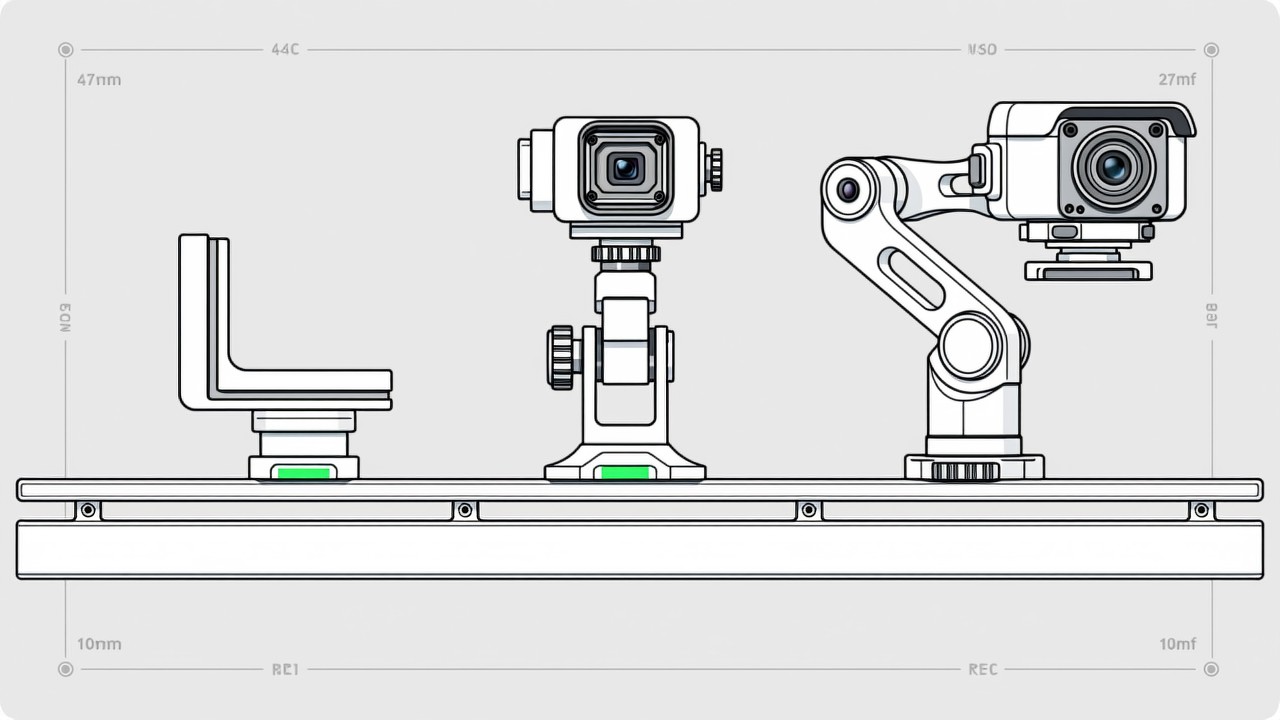
Visual SOP Camera Selection and Mounting
Camera selection for visual SOP is not the same as for product inspection. The s…
Read more → -
Vision Monitoring at the Semiconductor Die Bonder
Semiconductor packaging stations are characterised by high precision, fast cycle…
Read more → -
Wrong-Assembly Alarms Without the False Alarms
The most common reason a visual SOP project fails is not poor recognition — it i…
Read more →
Need specific advice for your production line?
Our engineers can share practical approaches to process error prevention and SOP compliance inspection for your scenario.
Request a free trial plan