
Visual SOP Feasibility: Eight Conditions to Check Before You Commit
Not every station suits visual SOP. This checklist sets out the eight conditions that have to hold at the design stage. If one of them fails, it usually means the station is unsuitable — or needs a different method.
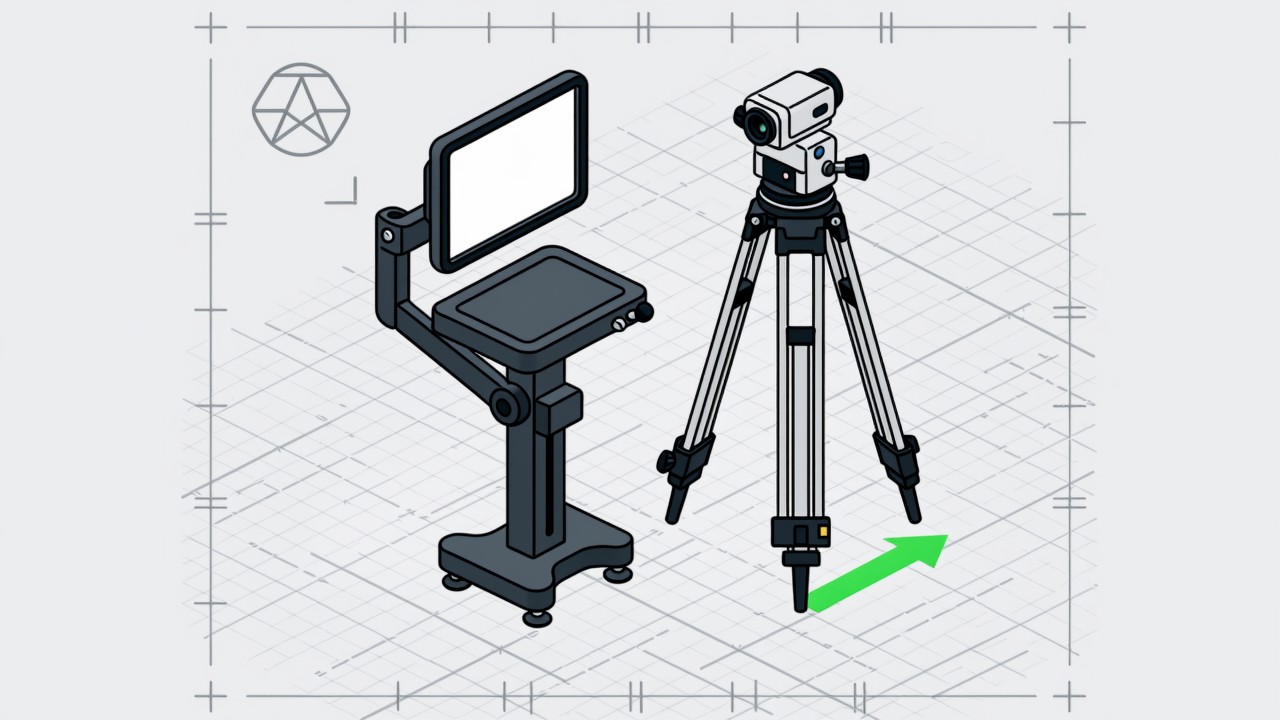
Key takeaways
- The core assessment question is whether the detection target can be seen reliably and written down as a rule.
- “Unstable imaging” is the most common starting point for failure, and is usually solved with lighting.
- Stations where the operations cannot be enumerated — free-form work, heavy reliance on judgement — do not suit vision.
- Do the assessment on site. One full shift tells you far more than a process document does.
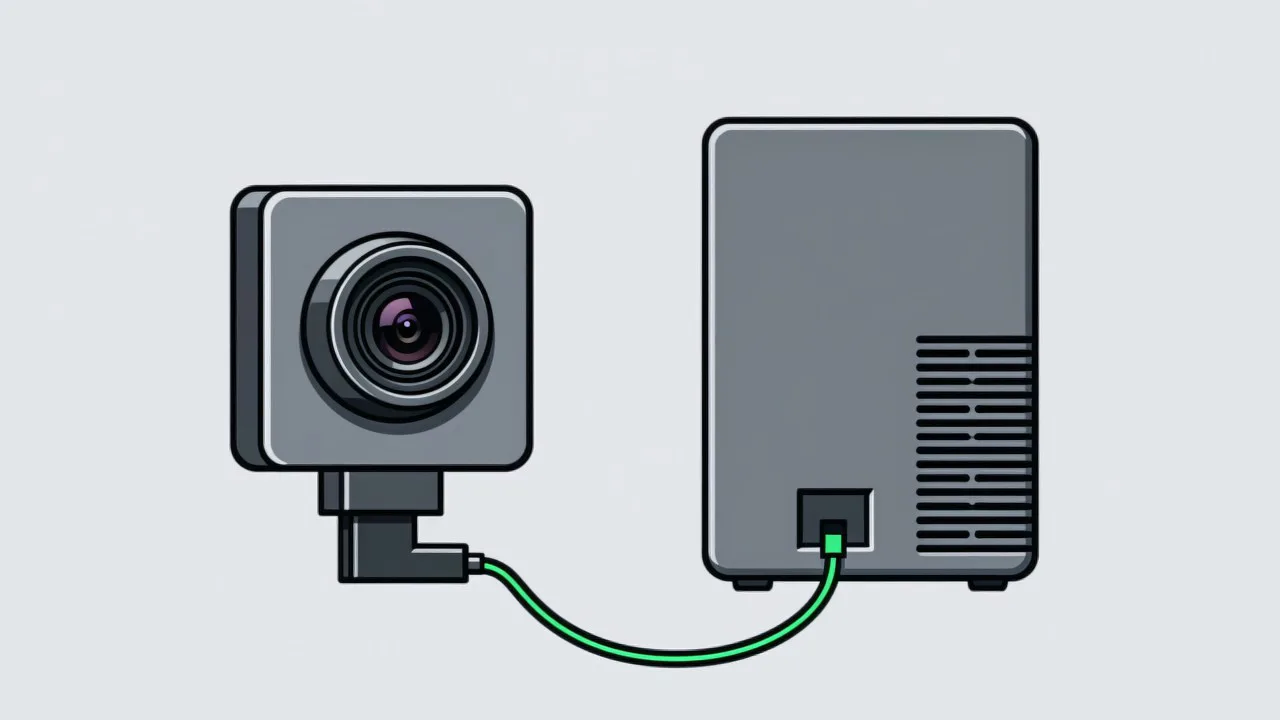
Clients often ask directly whether we can do it. The more useful question is whether this station should be done at all — and that is the question an industry solution already deployed elsewhere can help answer. These eight conditions are the checklist we work through when assessing feasibility.
The eight conditions
- One: the detection target is observable. The subject has to be physically visible — an action, a material, a position, a state — not a concept that only exists as a judgement, such as “is the operator working to standard”.
- Two: imaging conditions are stable. Light, occlusion and viewpoint stay broadly consistent through the shift, or can be made consistent with fixed lighting and a fixed mounting position.
- Three: the subject is in the field of view. The actions and material that need monitoring can all be captured reliably by the camera, without the operator’s body blocking them for long periods.
- Four: the cycle time allows it. The judgement must complete inside the cycle. High-cycle stations need edge inference on the local device.
- Five: the operations can be enumerated. The standard work at the station can be broken into a finite set of defined steps. Free-form work and stations that depend heavily on individual judgement do not suit this.
- Six: exceptions have a defined consequence. A missed or wrong step leads to a functional failure, a safety risk or a customer complaint. Operations with no consequence are not worth monitoring.
- Seven: the floor is not hostile. Team leaders and operators do not see it as surveillance. If this fails at assessment, adoption will meet serious resistance later.
- Eight: there is somewhere for it to close. Exception data enters a quality review or improvement process, rather than being recorded and never looked at again.
How to run the assessment
The recommended approach is not to read the process documents but to spend a full shift at the station. Watch the operator’s actual action sequence, how the cycle time distributes, when exceptions occur, and where the existing detection methods are blind. If you can, record a video from the intended mounting position on a phone — that footage is extremely useful later. Once the assessment passes, the next step is designing the pilot plan described in how to design a visual SOP pilot.
Two conditions that pass on paper and fail on the floor
Two of the eight conditions are easy to tick during a desk review and hard to defend once the system is installed. The first is stable imaging: a station can look perfectly well lit on a site visit and still be unusable, because the light changes between day and night shifts, or a reflective part moves through the frame only on certain models. The second is field of view: the target may be visible when the station is idle and hidden by the operator’s hands precisely during the action that matters. Neither is caught by reading the process document, which is why the assessment is worth doing on site — and why camera selection follows the assessment rather than leading it.
Common questions about feasibility assessment
How long does an assessment take?
A preliminary single-station assessment is usually half a day to a day, including on-site observation and imaging verification. A whole-line assessment adds up by station count.
Does the assessment cost anything?
A preliminary feasibility judgement is usually free. If a formal imaging verification report and selection proposal are needed, that is design work, and can be confirmed when we talk.
What if the assessment fails?
We will say plainly why it is unsuitable and suggest alternatives — physical poka-yoke, process parameter monitoring, for instance. Some scenarios genuinely should not use vision.
Want us to assess your station?
Send a station photo, the cycle time and a description of the operations, and we can give a preliminary feasibility view.
Related articles
-
Alarm Fatigue: Why the Floor Turns the System Off
Many visual SOP systems are not beaten by technical problems — they are muted by…
Read more → -
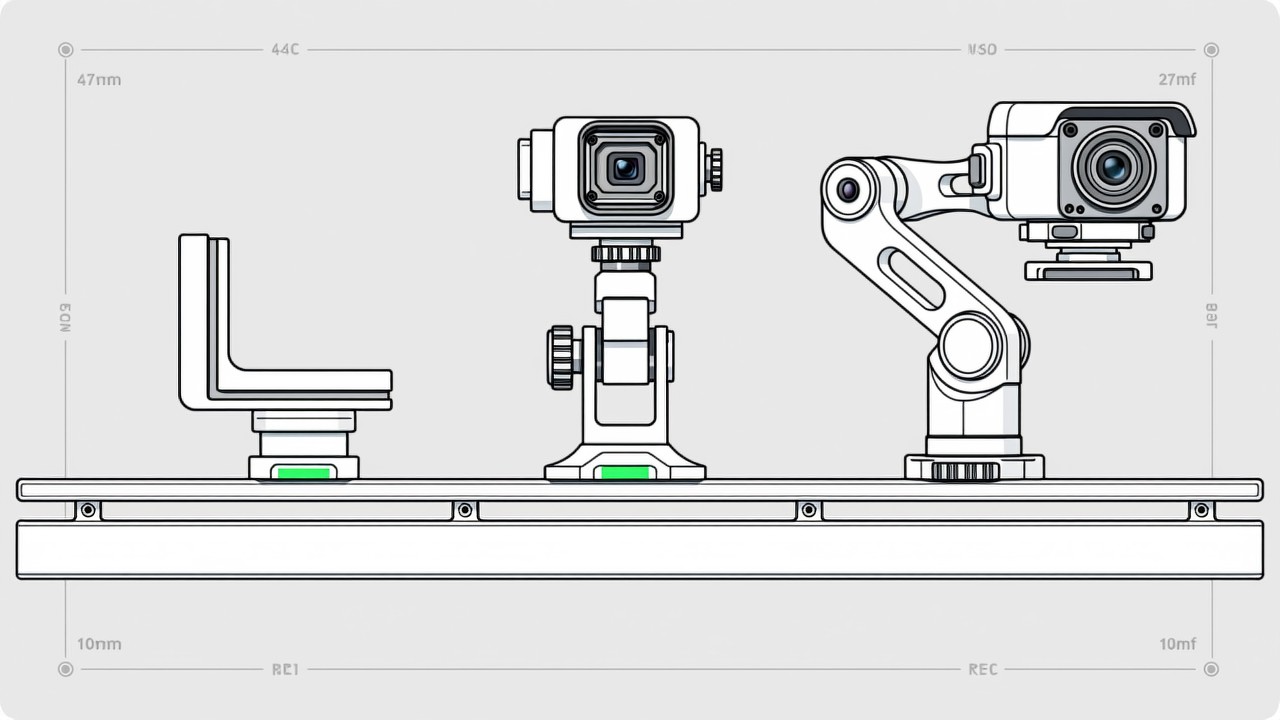
Visual SOP Camera Selection and Mounting
Camera selection for visual SOP is not the same as for product inspection. The s…
Read more → -
Vision Monitoring at the Semiconductor Die Bonder
Semiconductor packaging stations are characterised by high precision, fast cycle…
Read more → -
Wrong-Assembly Alarms Without the False Alarms
The most common reason a visual SOP project fails is not poor recognition — it i…
Read more →
Need specific advice for your production line?
Our engineers can share practical approaches to process error prevention and SOP compliance inspection for your scenario.
Request a free trial plan