
How long does a visual AI SOP rollout actually take
A single station usually runs 6 to 12 weeks from arrival to stable operation. The algorithm is a minority of that time; the bulk goes on validating the imaging conditions and aligning on the pass/fail standard. Neither can be compressed safely — squeezing them just pushes the risk into acceptance.
Key takeaways
- A single station lands in roughly 6–12 weeks; copying to a similar station usually takes 1–2 weeks each.
- Schedule slips come from imaging conditions and standard alignment, not from the algorithm.
- A trial run must cover a full changeover cycle, or the acceptance data will not support a decision.
- Go-live is not the end — rule tuning over the first three months is normal and necessary.
Promising a shorter timeline than is realistic is the most common mistake in this kind of project. Most single-station visual AI SOP deployments land between 6 and 12 weeks from arrival to stable running. The range is wide because it turns on two on-site conditions: whether the imaging environment is stable, and whether the pass/fail standard has already been written clearly. The algorithm itself usually accounts for under a third of the time.
Four stages, and what each one does
| Stage | Typical duration | Main work | What the customer supplies |
|---|---|---|---|
| 1. Assessment and action breakdown | 1–2 weeks | Select the station, decompose the action sequence, agree detection targets and acceptance criteria | Process documents and repair data; a window to observe the line |
| 2. Imaging and installation | 1–3 weeks | Camera and lens selection, lighting design, mounting and wiring, real image sampling | Line-stop windows, station space, lighting and power conditions |
| 3. Rule configuration and integration | 1–2 weeks | Configure detection rules, agree alarm behaviour, write records into MES | Confirm the alarm path and ownership; provide the MES interface |
| 4. Trial run and acceptance | 2–4 weeks | Continuous data capture, false-alarm and miss statistics, decision against the criteria | A named contact; participation in the results review |
The four stages are not evenly weighted. The first two together often account for more than half of the whole schedule, while training and tuning the model usually takes one to two weeks. The practical implication is that the best way to shorten a rollout is not to hurry the algorithm but to have the site ready in advance — station space, lighting positions, network runs and line-stop windows. Left until the team arrives, each of those adds a week or two; settled with a clear standard beforehand, the whole schedule shortens. It also decides how the budget is spent, which the visual SOP budget and ROI piece works through.
Why assessment and imaging validation take half the time
- Action breakdown. Split the station into observable steps and mark each detection point and the ways it can go wrong.
- Sample capture. Collect real good and bad samples to set the thresholds or features the rules will use.
- Acceptance criteria. Agree in advance how the false-alarm and miss rates will be measured, so acceptance does not become an argument.
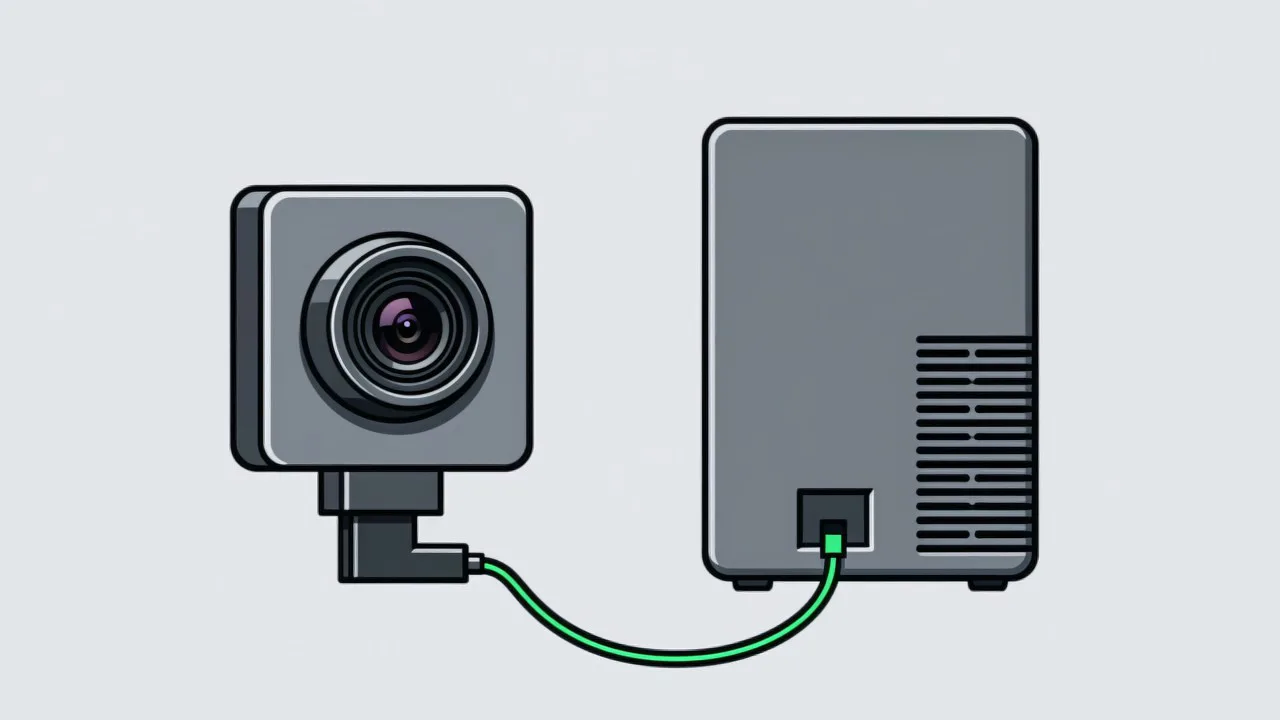
How long the imaging stage takes depends on the site and the parts. Working distance and field of view fix the lens; a fast cycle with a moving part raises motion blur, which decides whether a rolling or global shutter camera is needed (see global vs rolling shutter). Reflective, transparent or dark parts, and several part numbers sharing one station, may all call for extra lighting design or fixture changes (see lighting design for visual SOP). There is no shortcut here — it is tried one item at a time, which is exactly why the schedule is hard to compress.
Where the schedule slips
- Imaging conditions. Reflections, transparency, dark parts and mixed part numbers often need extra selection or fixture work, and the effort is hard to estimate.
- Standard alignment. Quality, process and production rarely agree on what “pass” means, and sitting them down cannot be skipped — skipping it means rework during the trial run.
- MES interface and network. The customer IT schedule is usually outside the project team’s control, and integration tends to drift to the back of the queue.
- Line-stop windows. Retrofit work happens only during a stop, so the plan is bounded by the production schedule and often cannot fit during peak season.
Trial run and acceptance: how long is enough
The point of the trial run is not to watch the system work but to gather enough data to support a decision. It should cover at least one full changeover cycle and the main shift patterns, because imaging and operator habits differ between shifts and part numbers. At acceptance, look at both numbers: the miss rate (a step skipped but judged as done) and the false-alarm rate (a step done but judged as skipped). They trade off against each other, so reading only one is meaningless — the detail is in precision and recall. One stretch of the schedule that never appears in the table is the settling period: a system that runs is not yet a system that decides reliably, and the first two to four weeks usually turn up a batch of samples that need tuning. Planning for that upfront is easier than explaining later why a system that has “gone live” is still being adjusted.
Common questions about the timeline
Can it go live in two weeks?
If the station is simple, the imaging is already stable and the standard is written down, a first deployment in two weeks is possible. But a trial run covering changeover will not fit, so a two-week delivery means “it runs”, not “it is accepted”.
Do multiple stations add up, or run in parallel?
Copying to similar stations runs in sequence but each one is faster — most second-and-later similar stations finish in one to two weeks. Stations that differ materially repeat the imaging and rule stages and cannot simply be copied.
Is there ongoing work after go-live?
Yes. Rule tuning over the first three months is normal, and changeovers, new part numbers and process changes may all need rule updates. That work belongs in the after-sales agreement, covered in visual AI SOP support and SLA.
How long would your station take?
Tell us the station count, cycle time and changeover pattern, and we will give you a stage-by-stage estimate.
Related articles
-
Alarm Fatigue: Why the Floor Turns the System Off
Many visual SOP systems are not beaten by technical problems — they are muted by…
Read more → -
Visual SOP Camera Selection and Mounting
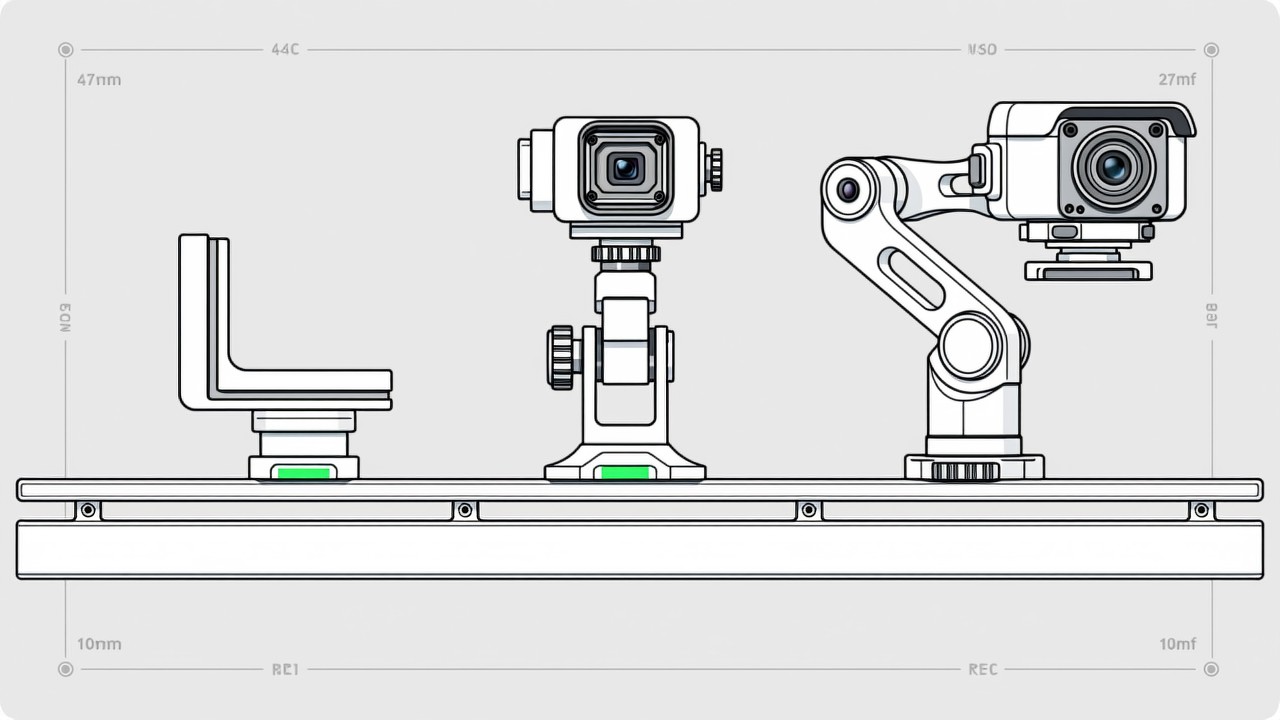
Camera selection for visual SOP is not the same as for product inspection. The s…
Read more → -
Vision Monitoring at the Semiconductor Die Bonder
Semiconductor packaging stations are characterised by high precision, fast cycle…
Read more → -
Wrong-Assembly Alarms Without the False Alarms
The most common reason a visual SOP project fails is not poor recognition — it i…
Read more →
Need specific advice for your production line?
Our engineers can share practical approaches to process error prevention and SOP compliance inspection for your scenario.
Request a free trial plan