
Camera Protection and Cleaning
A camera on a production line is exposed to whatever the process throws at it: dust from casting or grinding, oil mist from machining, coolant spray, weld spatter, washdown water, cleaning chemicals. Optical surfaces are the most vulnerable part of the station and the least tolerant of contamination. What makes this dangerous rather than merely inconvenient is that contamination accumulates gradually, and a partially obscured window lowers contrast across the whole image without producing any error.
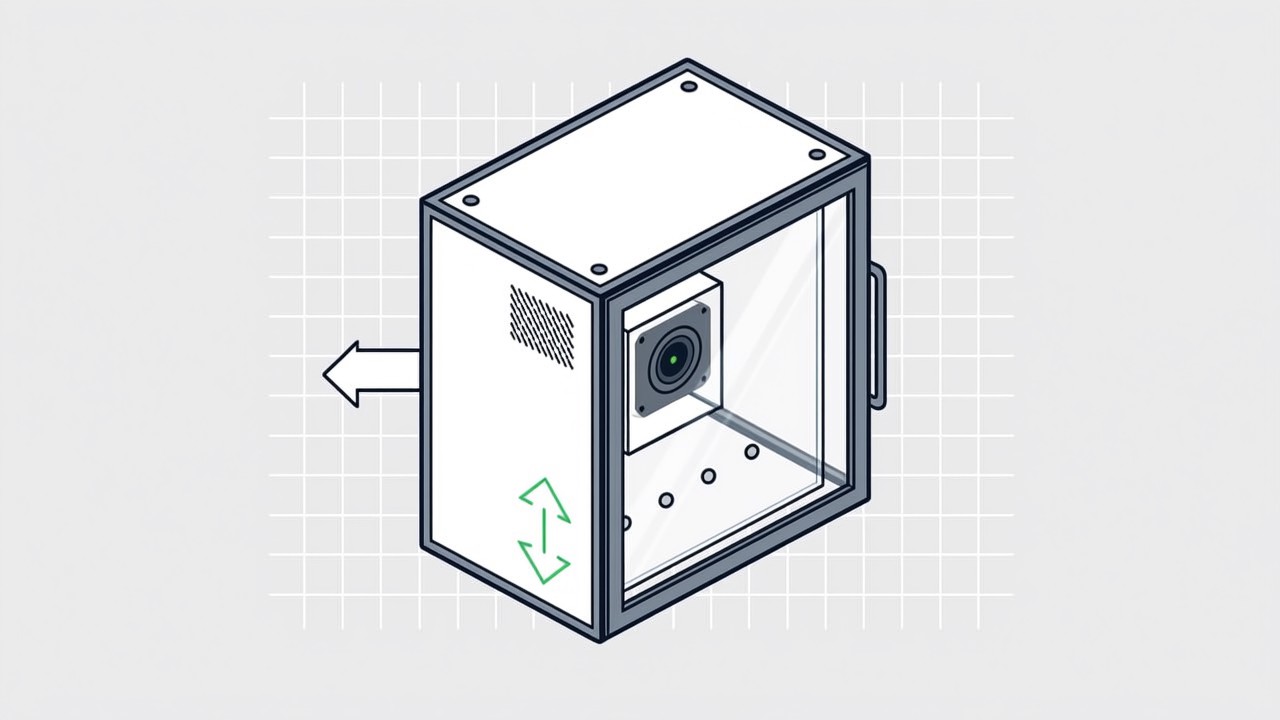
Key takeaways
- Contamination changes grey levels everywhere, so it looks like a threshold problem.
- Match the protection to the environment: IP rating, enclosure, and often air purge.
- Clean by a defined procedure with defined materials — wrong cloths scratch coatings.
- Always re-check the reference sample after cleaning; the act of cleaning can move things.
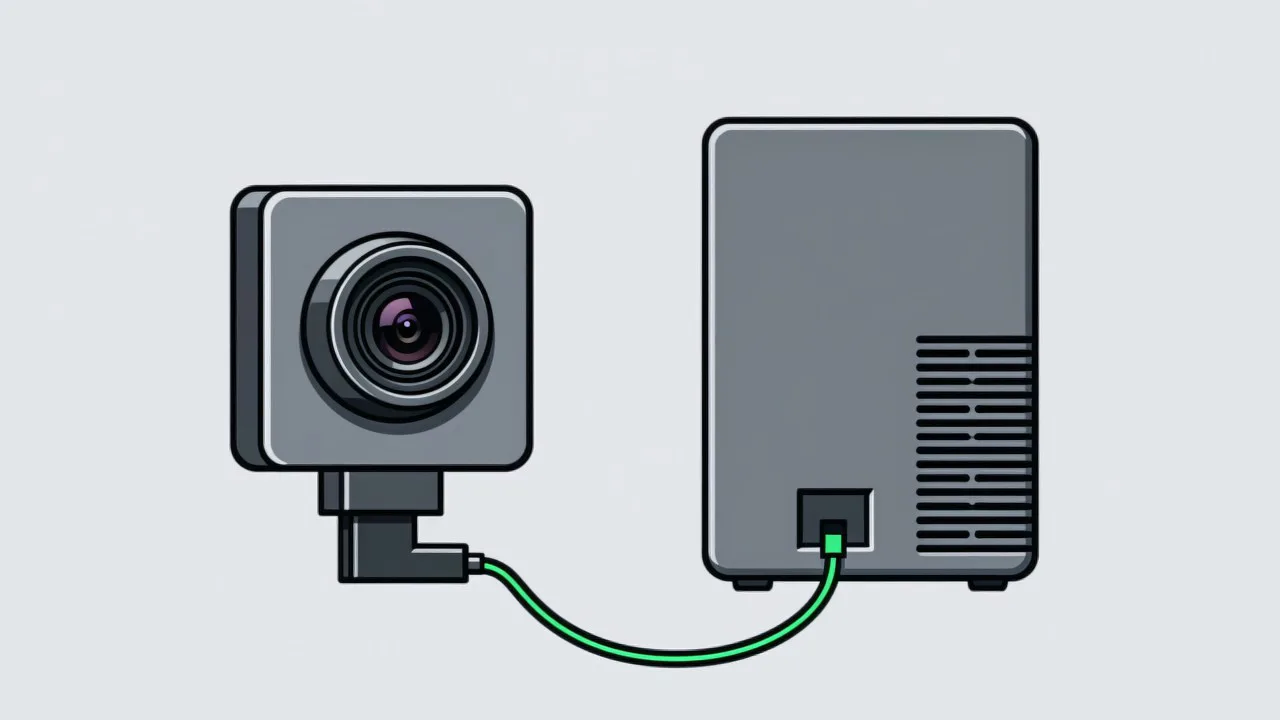
Every optical surface between the sensor and the part is a place where contamination can land, and there are usually three or four of them: the camera window, the lens front element, the light source cover, and any protective glass or enclosure window added to keep the first three clean. A film of oil or a layer of dust on any of these reduces the light reaching the sensor and scatters what does arrive, which lowers contrast and softens edges across the entire field of view. Because the effect is gradual and uniform, it does not look like a fault. It looks like the process got slightly harder to inspect.
Matching protection to the environment
| Environment | Main threat | Usual answer |
|---|---|---|
| Assembly, clean room | Dust, occasional fingerprints | Simple cover or no enclosure; scheduled wipe |
| Machining | Oil mist, coolant spray, chips | Sealed enclosure with a purge, or a shroud plus air knife |
| Grinding, sanding, casting | Fine abrasive dust | Positive pressure enclosure; dust settles on everything else too |
| Welding | Spatter, intense light | Physically shielded enclosure, spatter glass, and wavelength filtering |
| Food and beverage | Washdown, chemicals, condensation | Stainless IP-rated housing, drainage, and a lens window that tolerates cleaning chemicals |
| Outdoor or unheated | Condensation, temperature swing | Heated enclosure, desiccant, pressure maintained above ambient |
An enclosure is only as good as its seal, and seals fail in specific ways. A cable gland left loose, a lid gasket pinched during the last service, a connector face that no longer mates flat — any of these turns a well specified IP rating into a box that traps moisture instead of excluding it. This is why purged enclosures are common in dirty environments: keeping a slight positive pressure inside means air flows out of every imperfection rather than contamination flowing in. It also keeps the window clear, because the purge can be arranged to blow across the face of it.
Cleaning is a procedure, not an action
The instinct to wipe the lens with whatever cloth is nearest is the source of a great deal of long term image degradation. Abrasive dust dragged across a coated surface leaves fine scratches that scatter light permanently; solvent based cleaners attack the coatings and the plastic of some enclosures and light covers; a tissue that sheds fibres leaves a new kind of contamination behind. The damage is cumulative and irreversible, and it is invisible until the contrast has dropped far enough to matter.
A cleaning procedure worth writing down
- Blow off loose particles first
Dry dust, chips and abrasive grit must be removed before anything touches the surface, otherwise the wiping motion grinds them across the coating. Clean, dry, oil-free compressed air at a modest pressure, or a bulb blower, removes the part that would do the damage.
- Use the specified cloth and solvent
Lens tissue or a clean microfibre cloth, and a cleaner the optics manufacturer says is safe for coated surfaces. One wipe with a fresh surface, then discard — do not fold and reuse, because the cloth now carries the grit you just removed.
- Work from the centre outwards, gently
Circular or spiral motion from the middle to the edge, with the lightest pressure that does the job. No rubbing to shift a stubborn spot; if it does not come off, find out what it is before applying more force.
- Re-run the reference sample afterwards
The point is not to confirm the glass is clean. It is to confirm that nothing else moved while it was being cleaned — a hand resting on the bracket, a cable pulled, an enclosure replaced slightly differently. Cleaning is a mechanical intervention on a calibrated system, and it should be treated as one.
Common questions about protection and cleaning
Can a protective window be added in front of the lens?
Yes, and it is often the right move in a hostile environment, because it is cheaper to replace a scratched window than a lens. Two conditions: it must be optically flat and coated so it does not introduce distortion or ghosting, and it must be mounted so that replacing it does not disturb the camera. A window that changes the optical path length when swapped will shift focus every time it is replaced.
How often should windows be cleaned?
The interval should come from monitoring, not from a guess. Run the reference sample check and watch the image statistics, and clean when the trend indicates it, rather than on a fixed calendar that will be too often in a clean cell and not often enough next to a grinder. Write the trigger into the check sheet so the decision is not left to whoever happens to notice.
Does an air purge need filtered air?
Yes, and this is frequently the weak point. Shop air carries oil and water from the compressor and distribution system, and blowing that across an optical window deposits exactly the film the purge was installed to prevent. A coalescing filter with a drain, checked and serviced, is part of the protection system rather than an accessory.
What is your station exposed to?
Tell us the process, the contamination and how often the line is washed down. We will work out the enclosure and cleaning regime that fits.
Related articles
-
Alarm Fatigue: Why the Floor Turns the System Off
Many visual SOP systems are not beaten by technical problems — they are muted by…
Read more → -
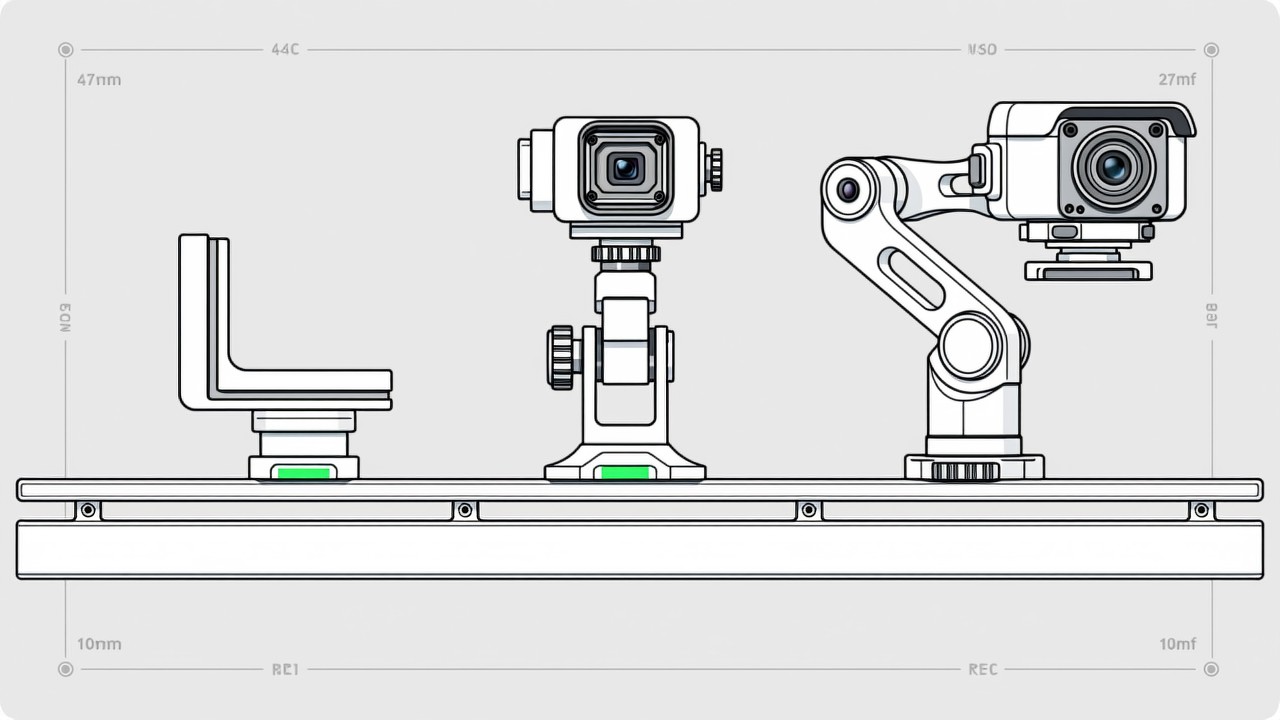
Visual SOP Camera Selection and Mounting
Camera selection for visual SOP is not the same as for product inspection. The s…
Read more → -
Vision Monitoring at the Semiconductor Die Bonder
Semiconductor packaging stations are characterised by high precision, fast cycle…
Read more → -
Wrong-Assembly Alarms Without the False Alarms
The most common reason a visual SOP project fails is not poor recognition — it i…
Read more →
Need specific advice for your production line?
Our engineers can share practical approaches to process error prevention and SOP compliance inspection for your scenario.
Request a free trial plan