
Visual SOP on High-Mix, Low-Volume Lines
On lines that run many models in small batches with frequent changeovers, the hard part of visual SOP is not recognition — it is calibration cost and recipe management. Break the rules into reusable action atoms, let a product recipe combine them, switch the recipe automatically with the work order, and run new part numbers in shadow mode first.
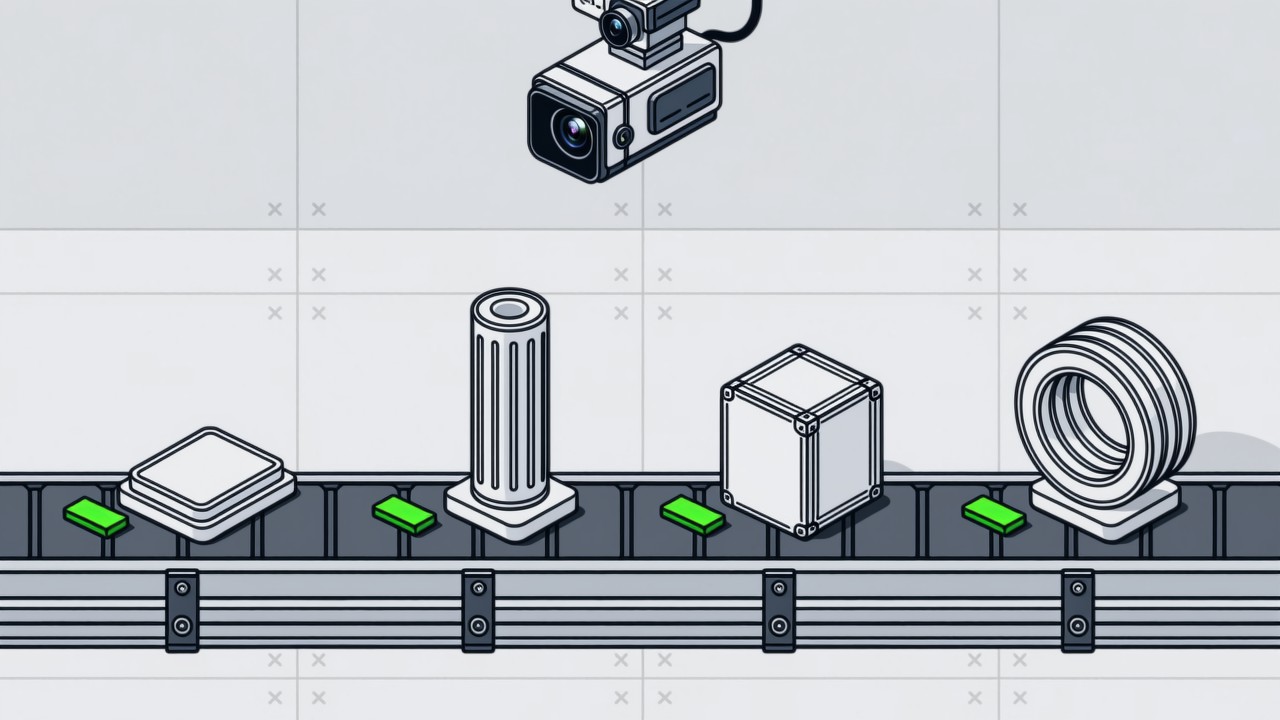
Key takeaways
- Rules per product multiply calibration cost by the part count; rules per action atom reuse it.
- Recipe switching should follow the work order or the scan — manual switching is the main source of misses.
- New part numbers with no samples are handled with rules first, not by waiting for training data.
- Not every item is worth covering: very small batches often do not pay back.
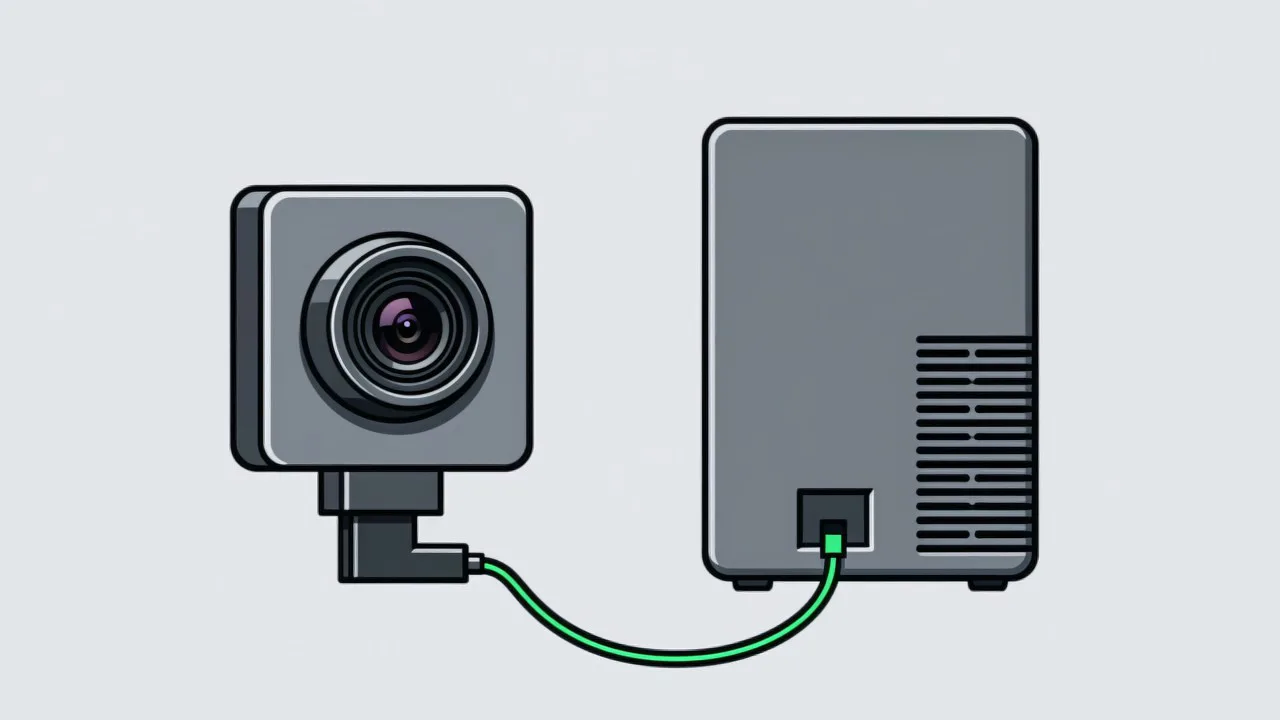
On lines that run many models in small batches with frequent changeovers, the hard part of visual SOP is not recognition — it is calibration cost and recipe management. A workable approach is to break the rules into reusable action atoms, let a product recipe combine those atoms into a step sequence, and switch the recipe automatically with the work order or the scan; for a new part number with no history, run in shadow mode first, then enable alerts gradually. If every part number has genuinely different steps and batches are only a few dozen units, the return on visual SOP is often poor, and poka-yoke tooling is the better fit. What determines feasibility is the reuse rate of actions, not the raw count of part numbers.
The hard part is calibration cost, not recognition
Building rules product by product is the most common way these projects stall. If a shift changes over a dozen part numbers, and each rule set has to be calibrated and validated from scratch, the calibration work grows with the number of part numbers — and the person maintaining it gives up before the system is rolled out. The number that matters is not single-shot accuracy; it is how long it takes to add one part number. A rough estimate: at two days of calibration and validation per part number, adding sixty part numbers a year is 120 working days, close to half a person, before any changeover rechecks.
Build rules from action atoms, not products
Break the process down to the level of pick, scan, load, fasten, label, unload, and a large share of the actions repeat across part numbers — typically sixty to eighty percent. Build rules at the action-atom level and let the product recipe order them. When a new part number arrives, most atoms are reused and only a few new ones need calibrating, so the work changes from multiplied by part numbers to plus new actions. That shift is the dividing line between a line that scales and a project that stops at a dozen part numbers.
| Rules per product | Rules per action atom | |
|---|---|---|
| Work to add a part number | Close to starting over | Only new actions, most reused |
| Changeover maintenance cost | Grows linearly with part numbers | Roughly flat |
| Reuse | Poor; part numbers do not share | High; atoms combine across part numbers |
| Skill needed | Familiarity with each part number | Understanding of the atom library and recipes |
Recipes should follow the work order
- Automatic switching. Drive the recipe from the work order or the scan: MES issues the order, the vision system loads the matching recipe. Never rely on an operator switching programs by hand — the integration is described in visual SOP and MES integration.
- Confirm the switch. Show a clear confirmation after a recipe change, so a wrong part number is not inspected against the old recipe. This error is subtle on a mixed line and often only surfaces at final inspection.
- Downgrade during changeover. While the line is changing over, being set up or trialling, downgrade alerts to logging so they do not interrupt. Changeover involves many abnormal movements, and mishandling this window clusters false alarms around every changeover.
- Keep a fallback. When automatic switching fails, provide a manual fallback, and log it so the switching logic improves instead of the same people firefighting every time.
What to do when a new part number has no data
- Use rules first, not samples. Whether an action appeared and in what order is mostly judgeable from geometry and state rules, without large training sets. Which problems should not go to vision at all is in vision versus sensors.
- Run in shadow mode. Log without alerting for the first few shifts, find where false alarms come from, then enable alerts. Shadow mode only works if someone reads the log.
- Borrow from a neighbouring part number. Where actions are similar, data can be cross-referenced, reducing the sample needed from zero — and it validates whether the atoms were split correctly.
- Check coverage before accuracy. With few samples, first check that the action can be seen reliably at all. An action the camera cannot see is beyond any algorithm; fix the camera or the station layout first.
Common questions about high-mix lines
With frequent changeovers, is recipe management a burden?
It depends on whether recipes follow the work order automatically or are switched by hand. With automatic switching, the number of recipes does not affect daily work; manual switching is the source of the burden and the misses. Past a certain count, naming and maintenance conventions matter more than the technology.
With so many models, can visual SOP still work?
It depends on how much the actions repeat, not on the model count. A line with high atom reuse can cover many models; a line with low reuse is hard even with few. Low reuse is a case for poka-yoke rather than vision.
Which items are not worth covering?
Very small batches, items that share almost no actions with the rest, and items whose working method is still changing frequently usually do not pay back. The test is whether the item can reuse existing action atoms.
Frequent changeovers, and no landing point yet?
Tell us your part-number count, changeover frequency and typical steps, and we will help work out how the recipe model should be designed.
Related articles
-
Alarm Fatigue: Why the Floor Turns the System Off
Many visual SOP systems are not beaten by technical problems — they are muted by…
Read more → -
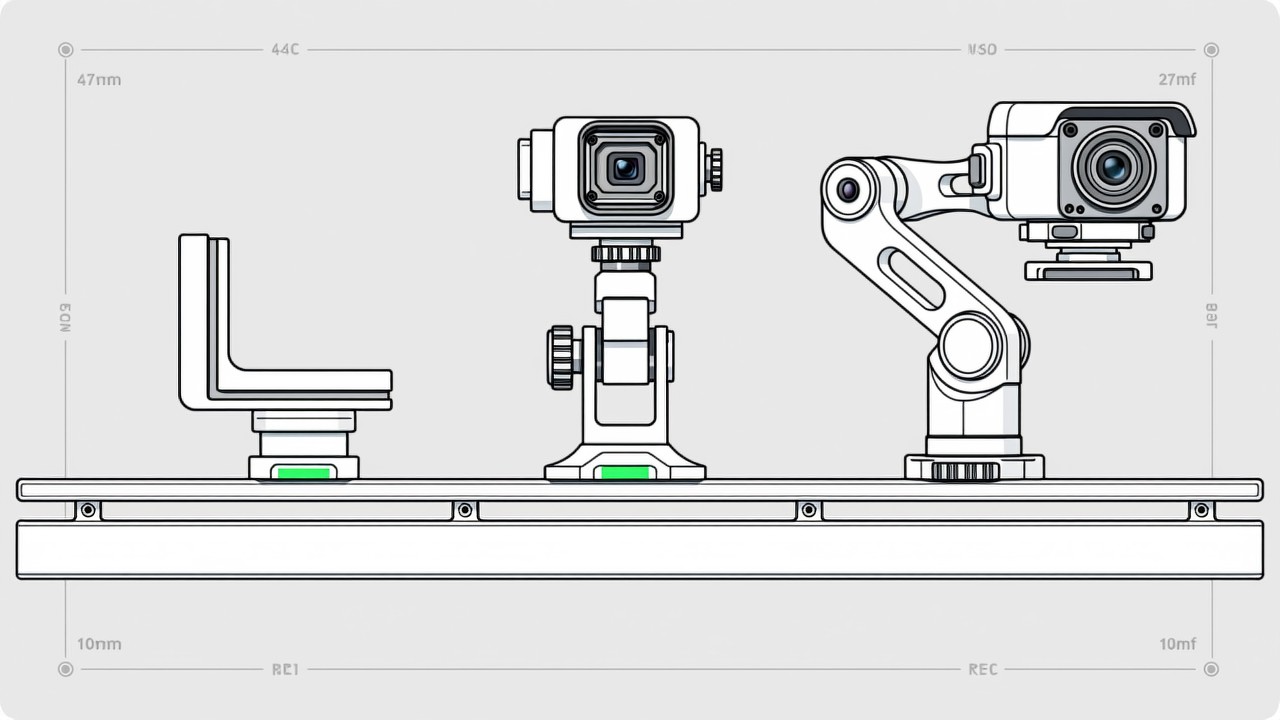
Visual SOP Camera Selection and Mounting
Camera selection for visual SOP is not the same as for product inspection. The s…
Read more → -
Vision Monitoring at the Semiconductor Die Bonder
Semiconductor packaging stations are characterised by high precision, fast cycle…
Read more → -
Wrong-Assembly Alarms Without the False Alarms
The most common reason a visual SOP project fails is not poor recognition — it i…
Read more →
Need specific advice for your production line?
Our engineers can share practical approaches to process error prevention and SOP compliance inspection for your scenario.
Request a free trial plan